
"OUR LOCAL TREES vs AVOCADO TREES"
OUR VISIT
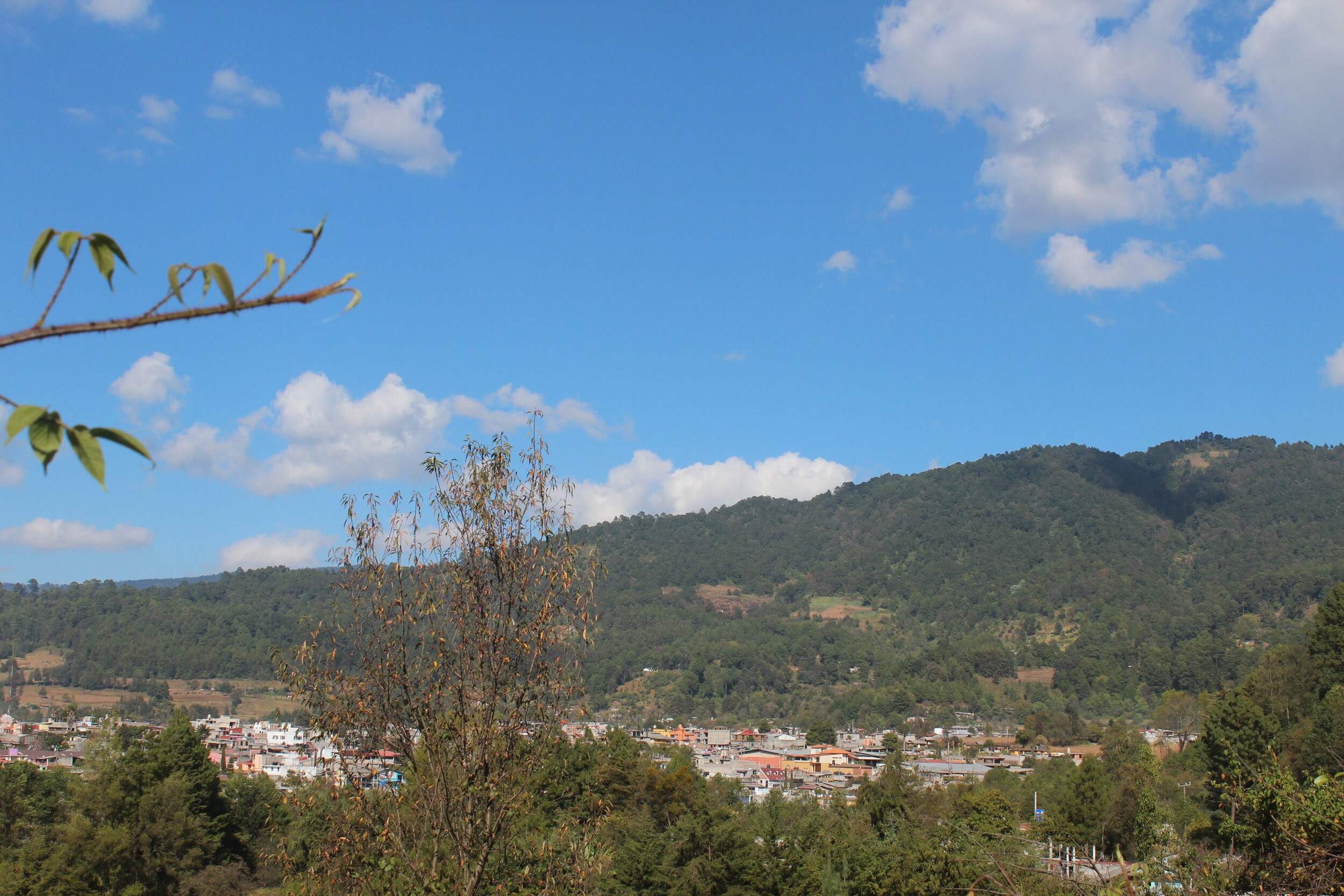
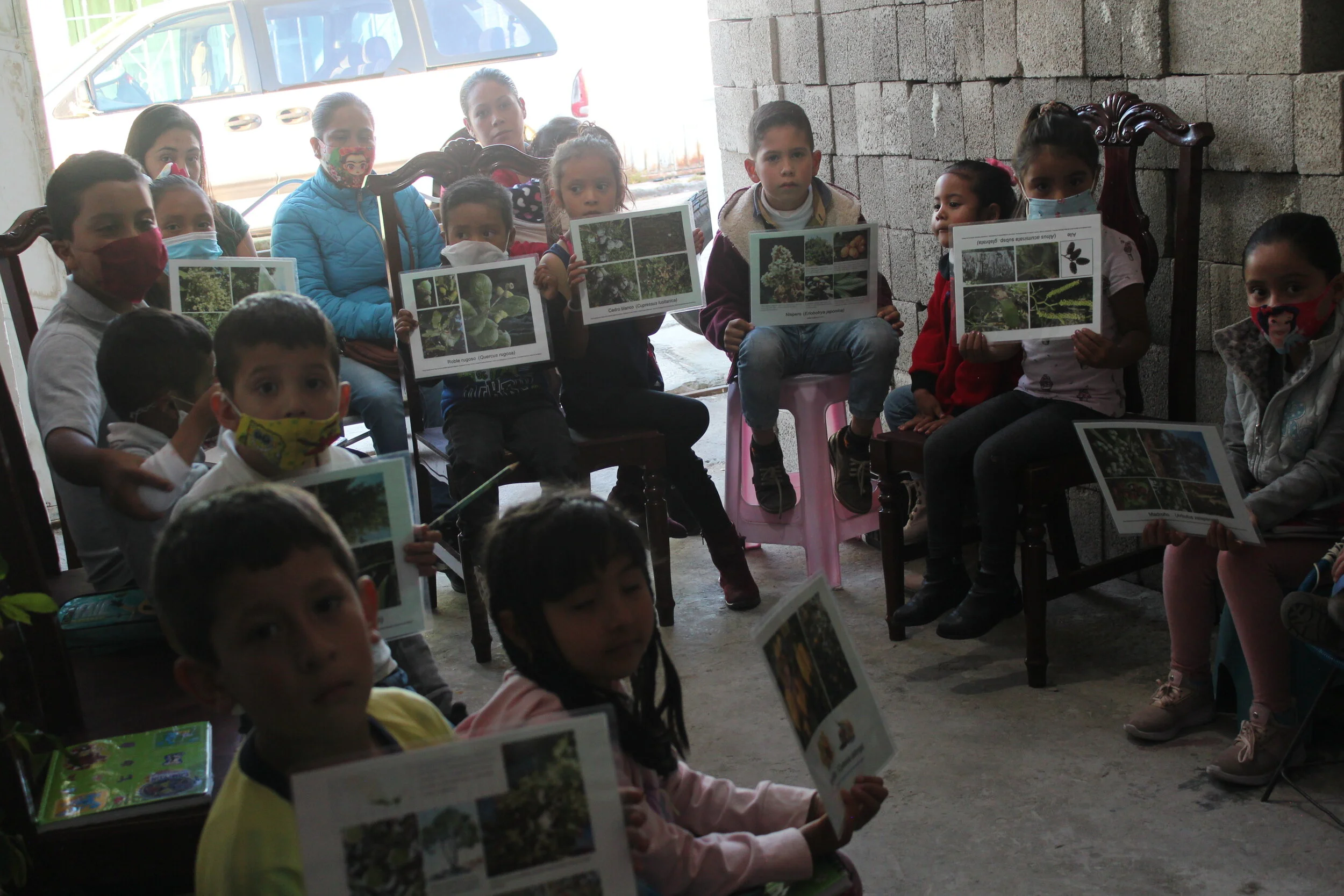
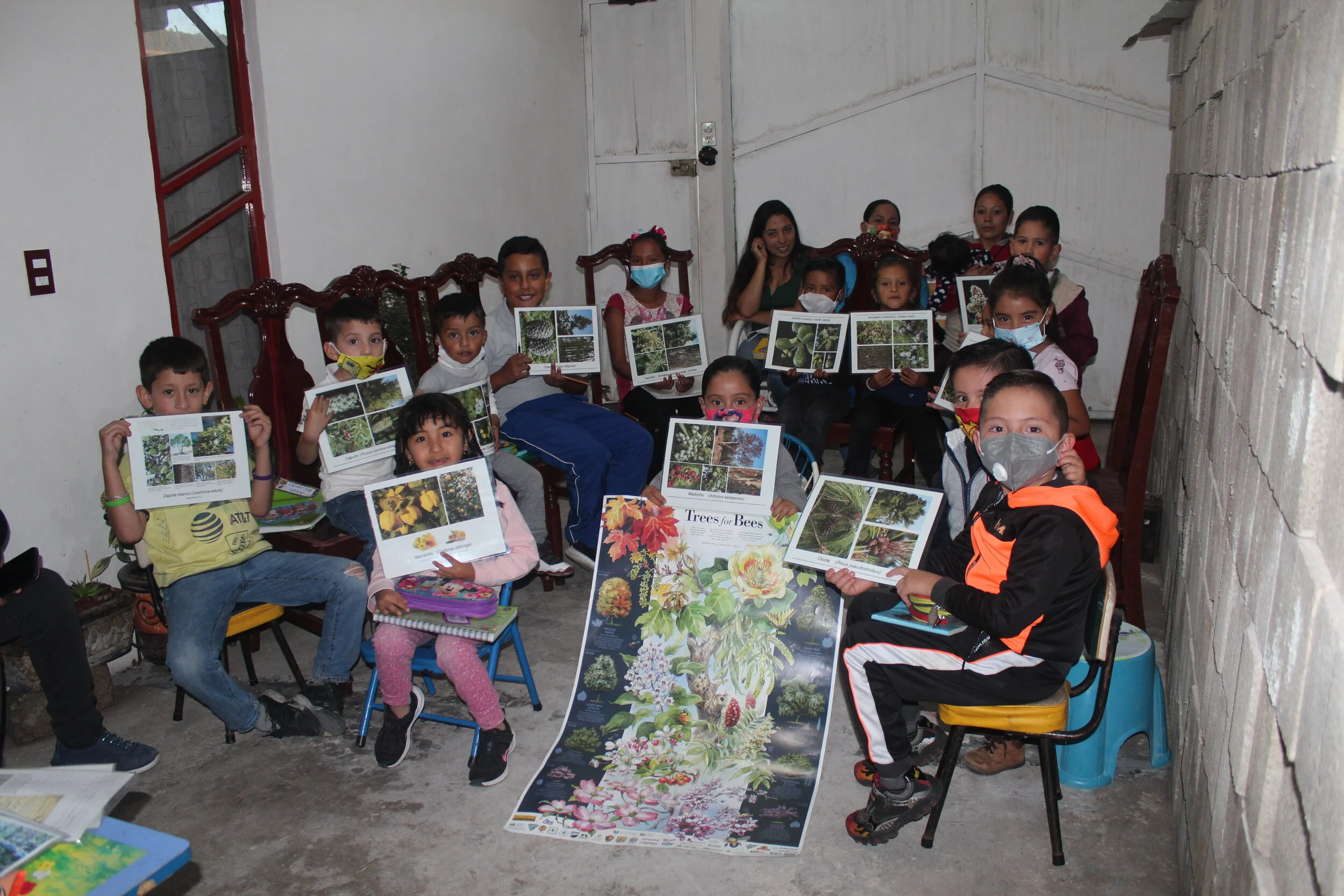
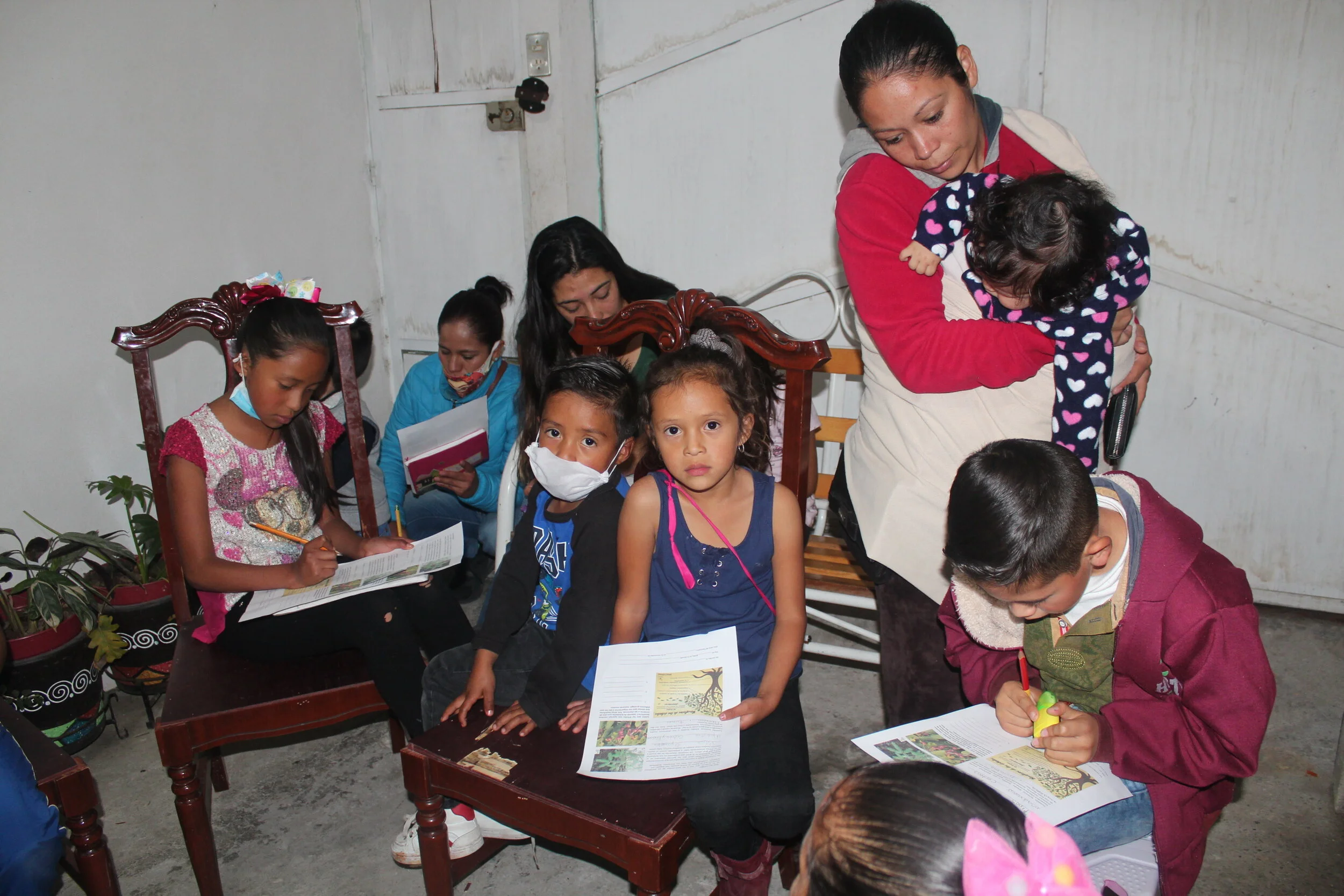
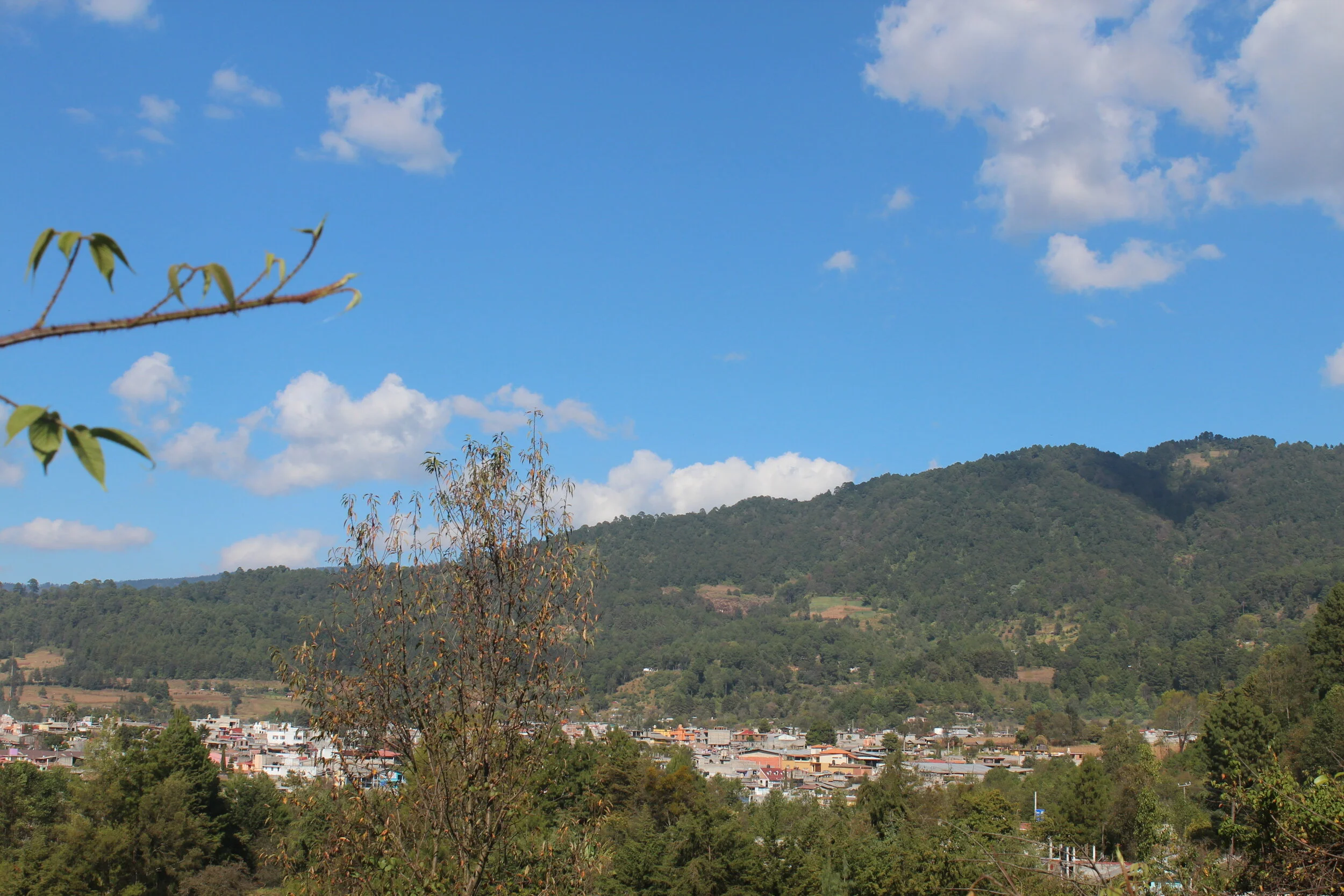
Dear friends, Ocampo town and Angangueo town are located at an average of 3-4 hour-drive from the most important capital cities in Central México, and are both the entrance door to drive from there up-hill the next 30 minutes to reach the three largest overwintering spots of Monarchs: “Sierra Chincua”, “El Rosario” and “Cerro Pelón”. For hundreds of years locals in the Ocampo village have mainly lived from forest benefits, but now, the Avocado planting has increased as one of the most promising and profitable agricultural activities, since Ocampo has got a little warmer weather than Angangueo town. The Symbolic Migration has visited, year after year, the four elementary schools to this village teaching every single lesson on Conservation to them. Since this school year schools have kept closed, teacher Yedid Segura, a young and very enthusiastic teacher in this town, was requesting for a visit for weeks now patiently awaiting the program’s arrival. She considered the visit was extremely important to a group of children and a few mothers interested whose families are becoming prominent avocado farmers in the location’s surrounding itself and who could, after our visit, better realize the difference between the characteristics and needs of our local forest and wild fruit trees, to the needs of an avocado tree. Moms and children could enhance their knowledge recognizing our local forest and fruit trees: “Oh, one thinks one knows of our own trees by heart and now we realize that recognizing their seeds and the altitudes they grow or do not grow anymore, is something we are really missing”, --mothers admitted showing even much more interest in the lesson--. Children kept going over both forest trees and fruit trees. They loved they could clear their idea on our exclusive local fruit trees: 2-3 different kinds of Apples, Peaches, and Pears, Tejocotes, Capulines, Red and Yellow Andrinas, Pecan Trees, wild and nursery Blackberries. Here, Estela continued leading the lesson: “Avocados are delicious and we start to adopt them as a local fruit even though we have them for only a few years now in our region; We have ancestrally had our wild and much more delicious avocados which trees which our local agriculture is not imposing on one side, on the other side, if we shall continue to become prominent avocado producers in the region, we should look forward to the possibility to the use of organic and sustainable assistance methods to grow them, and not chemical pesticides anymore, as they cannot only affect the local flora and fauna, but us inhabitants in the area; on the other side, we shall see after the water sources to keep avocado farms active, without affecting water storage for the local population. The rest of our local trees, either forest of fruit trees are not demanding for such assistance, and are as well a promising living source for us locals”, --Estela closed the lesson of the day and Moms expressed their gratitude to the Symbolic Migration and their interest in the talk to their husbands and families on this very important topic which shall be presented in further detail to other groups during our visits. Teacher Yedid expressed her appreciation for the visit to this special meeting to this mothers very interested, and was happy to receive her two book-presents.
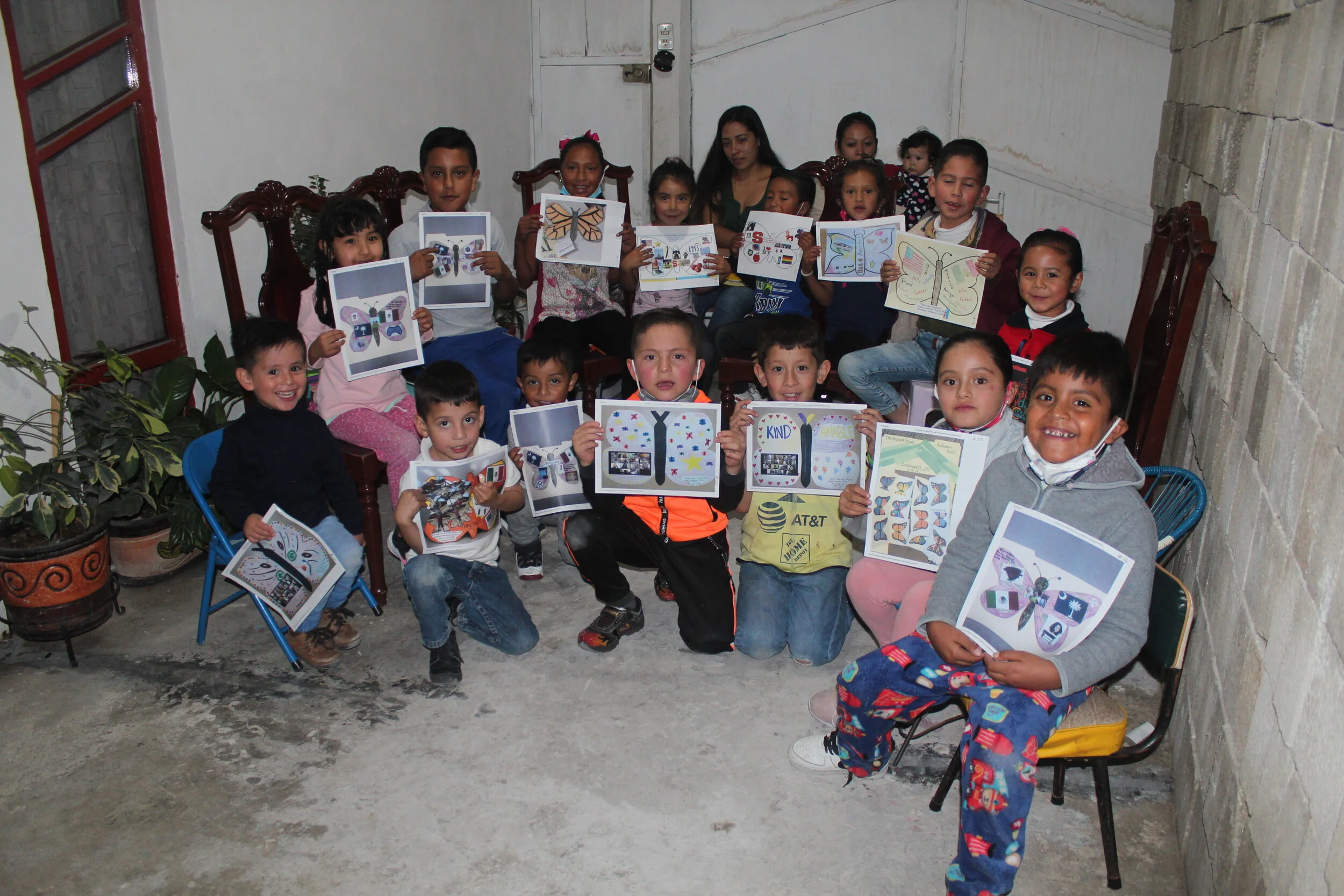
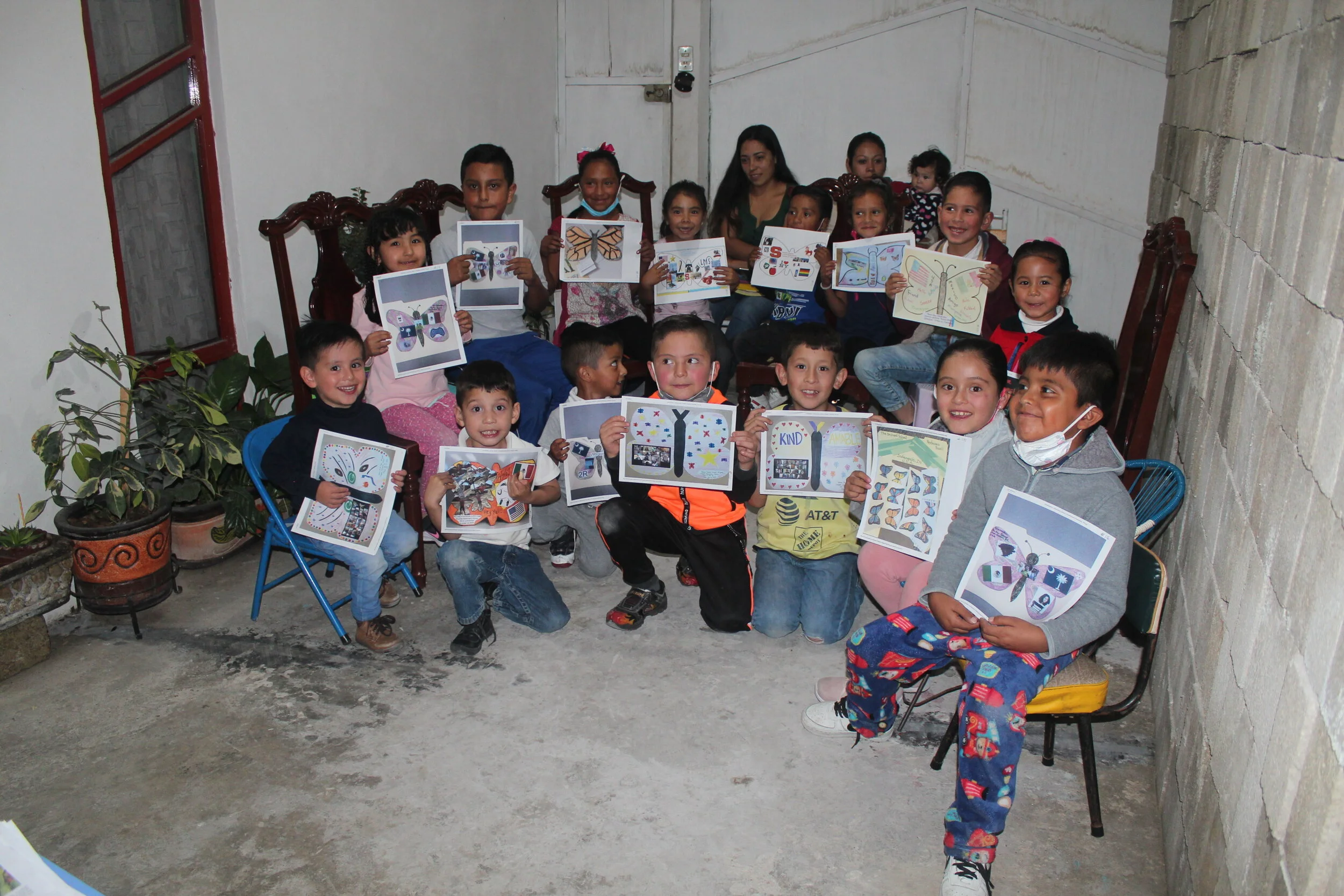
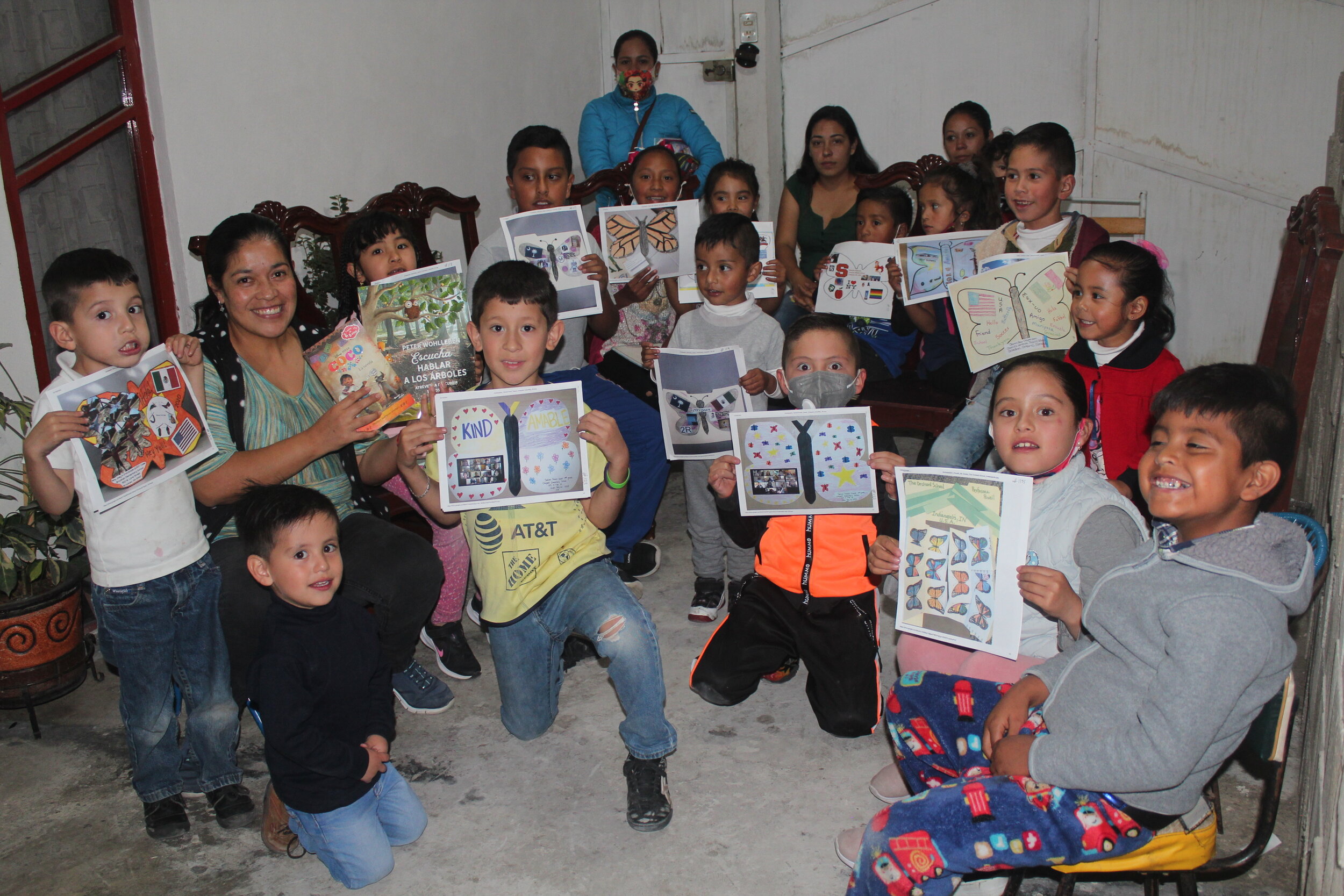
AMBASSADOR MONARCHS RECEIVED HERE
Hoffmann Elementary, San Antonio, Texas
Liverpool Middle, Liverpool, New York
Liverpool Middle, Liverpool, New York
James Grieve Public School, Caledon, Ontario
James Grieve Public School, Caledon, Ontario
High Tech Elementary North County, San Marcos, California
The Orchard School, Indianapolis, Indiana
Porter-Gaud, Charleston, South Carolina
Porter-Gaud, Charleston, South Carolina
Porter-Gaud, Charleston, South Carolina
Porter-Gaud, Charleston, South Carolina
Brooklet Elementary School, Brooklet, Georgia
Chappell Elementary, Green Bay, Wisconsin
Chappell Elementary, Green Bay, Wisconsin
Chappell Elementary, Green Bay, Wisconsin