
Outsider plants not good for our local flora
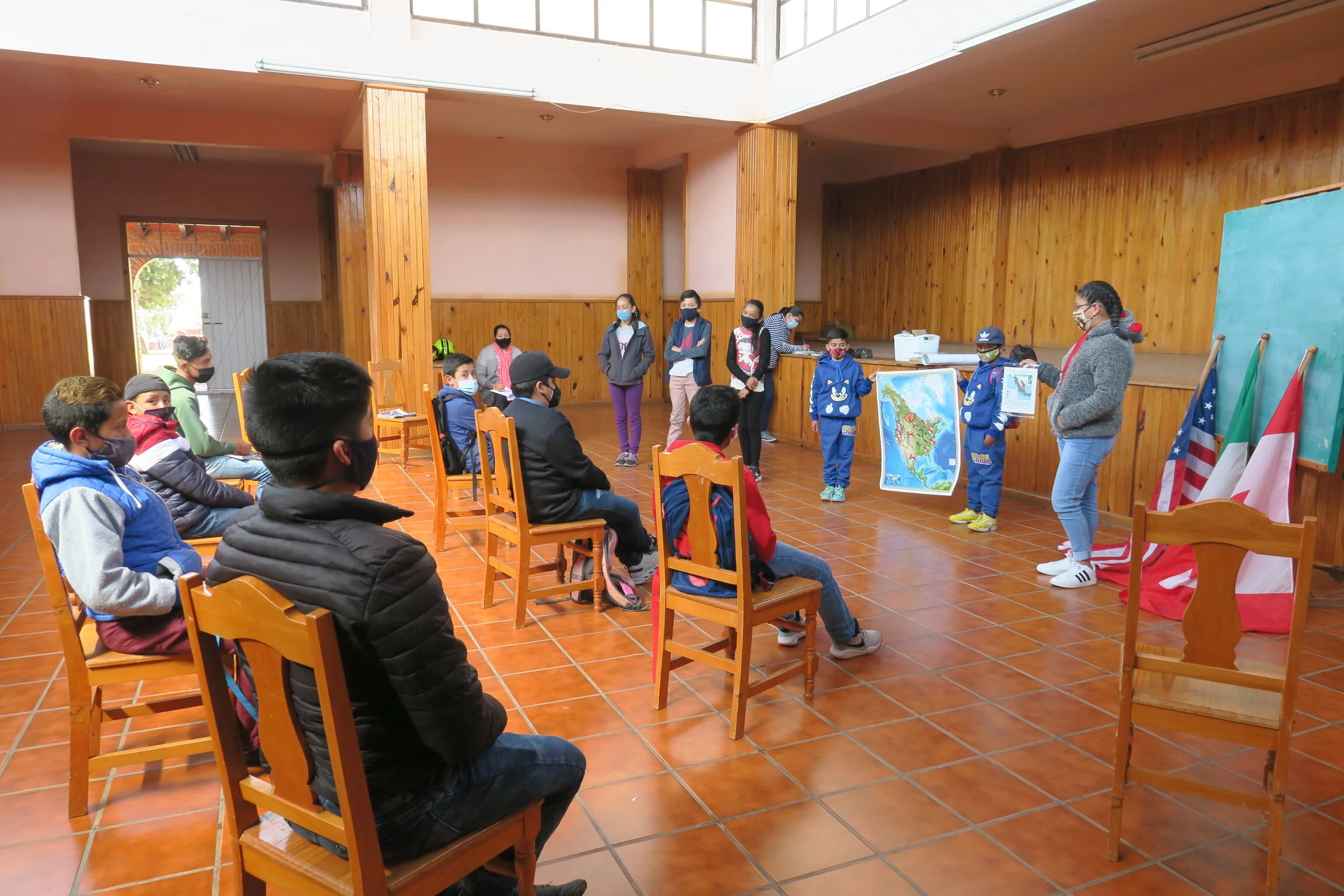
THE VISIT
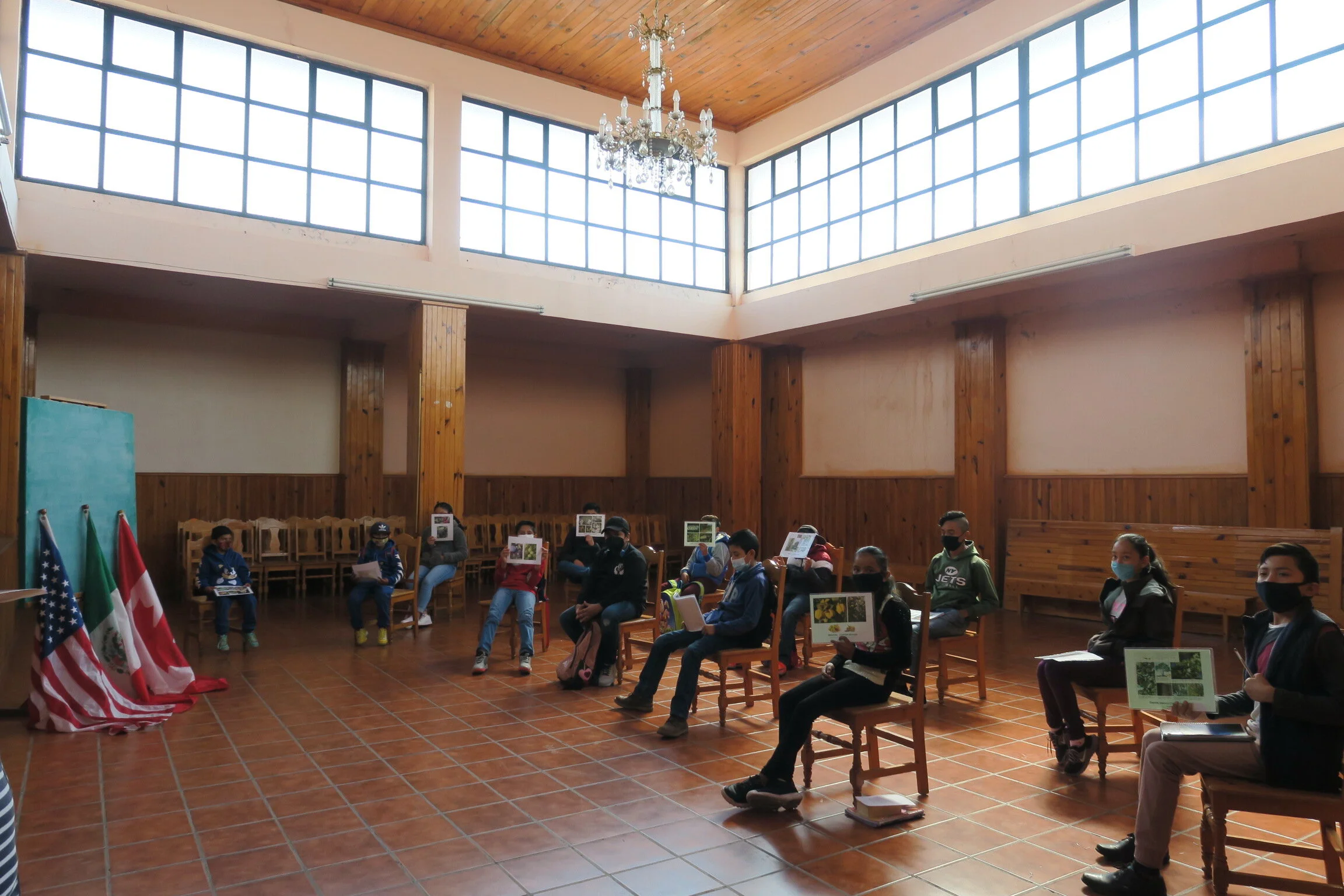
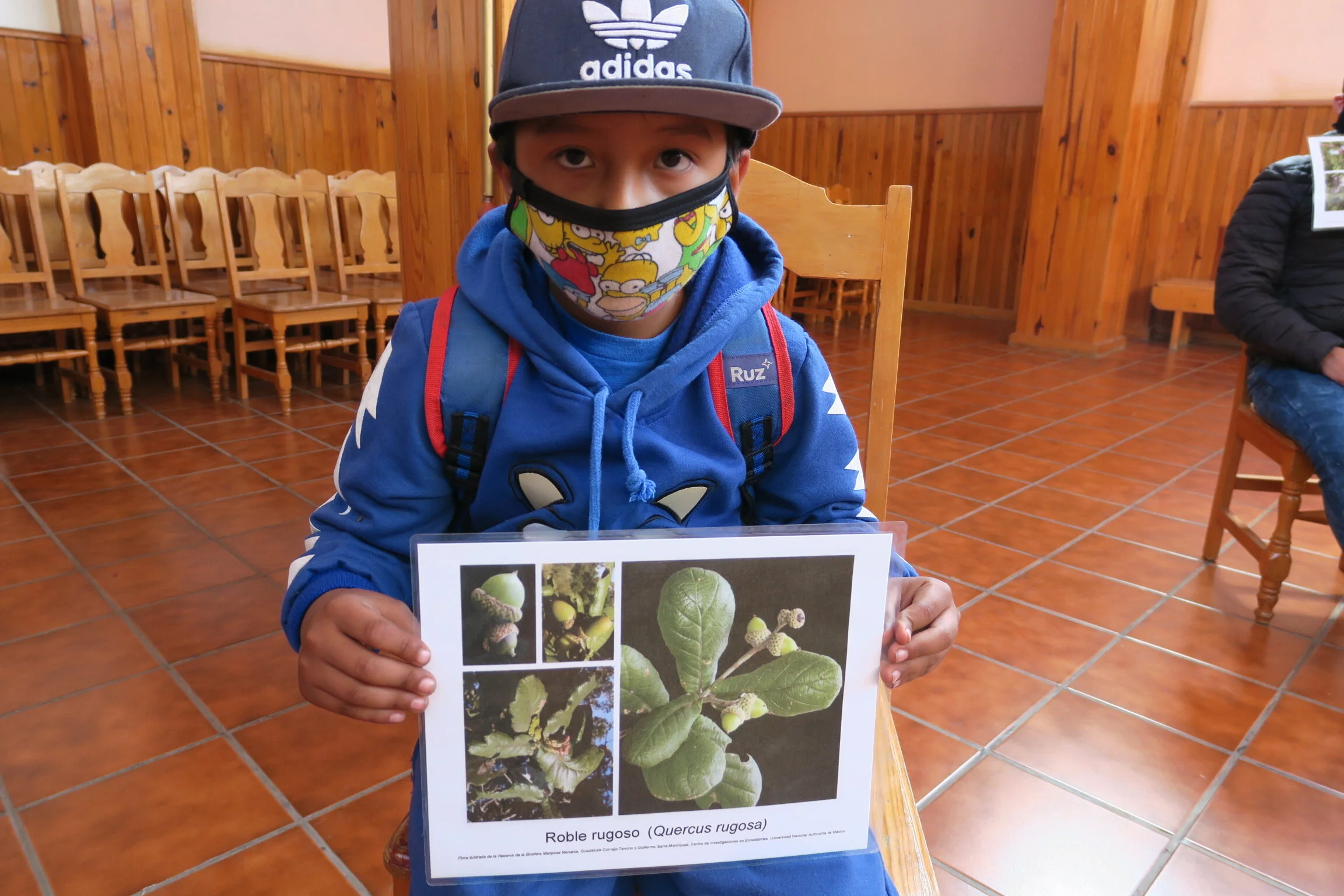
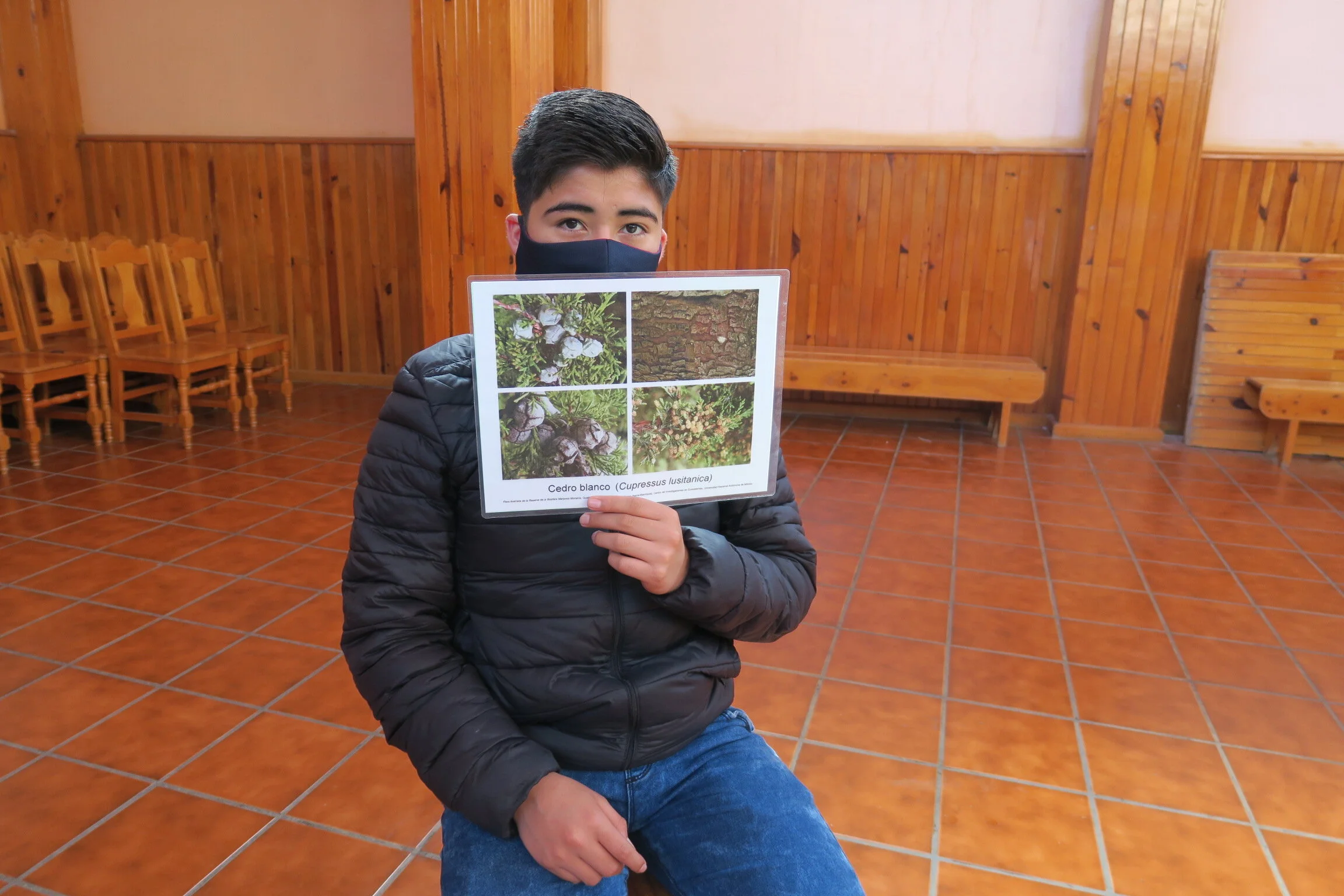
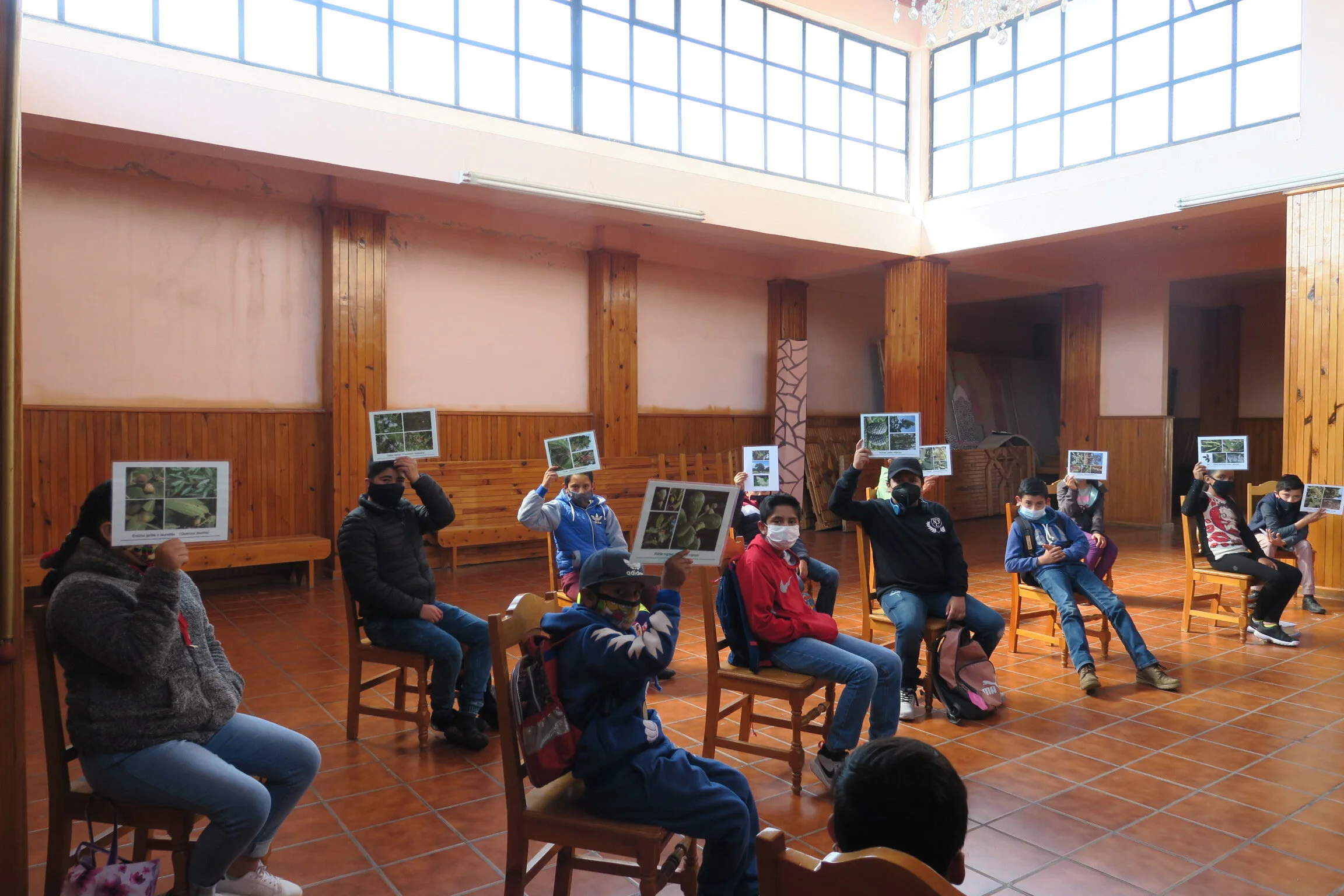
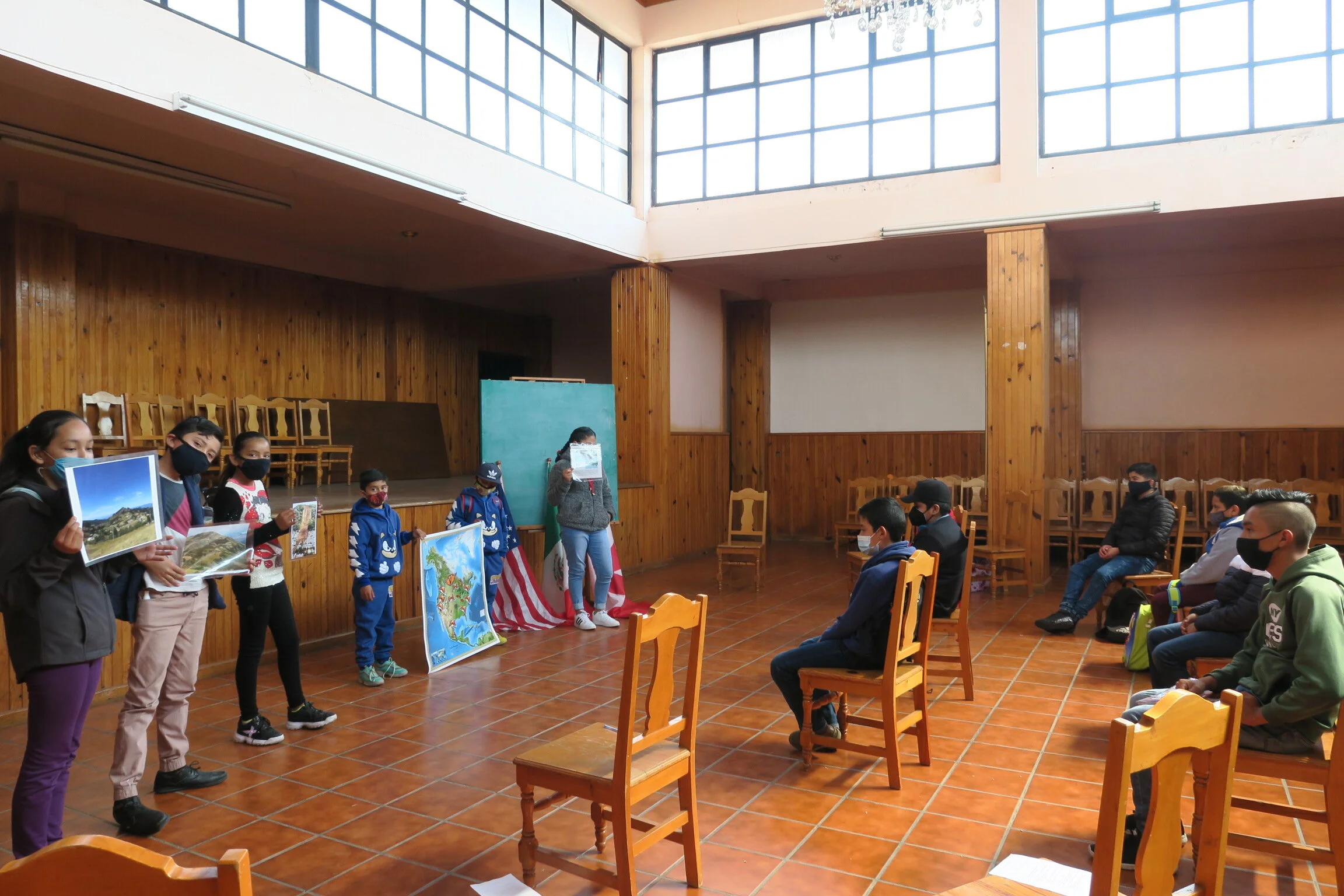
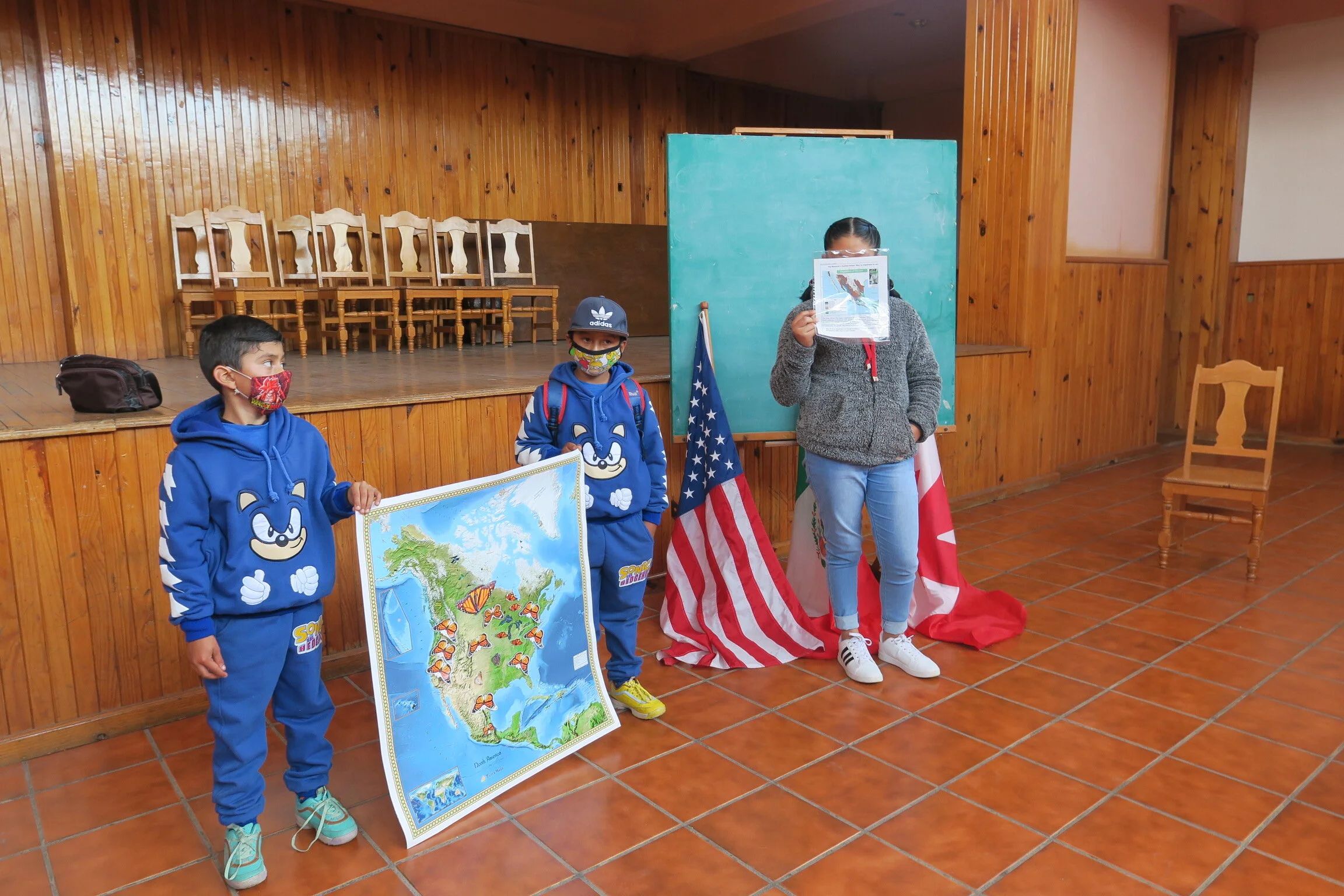
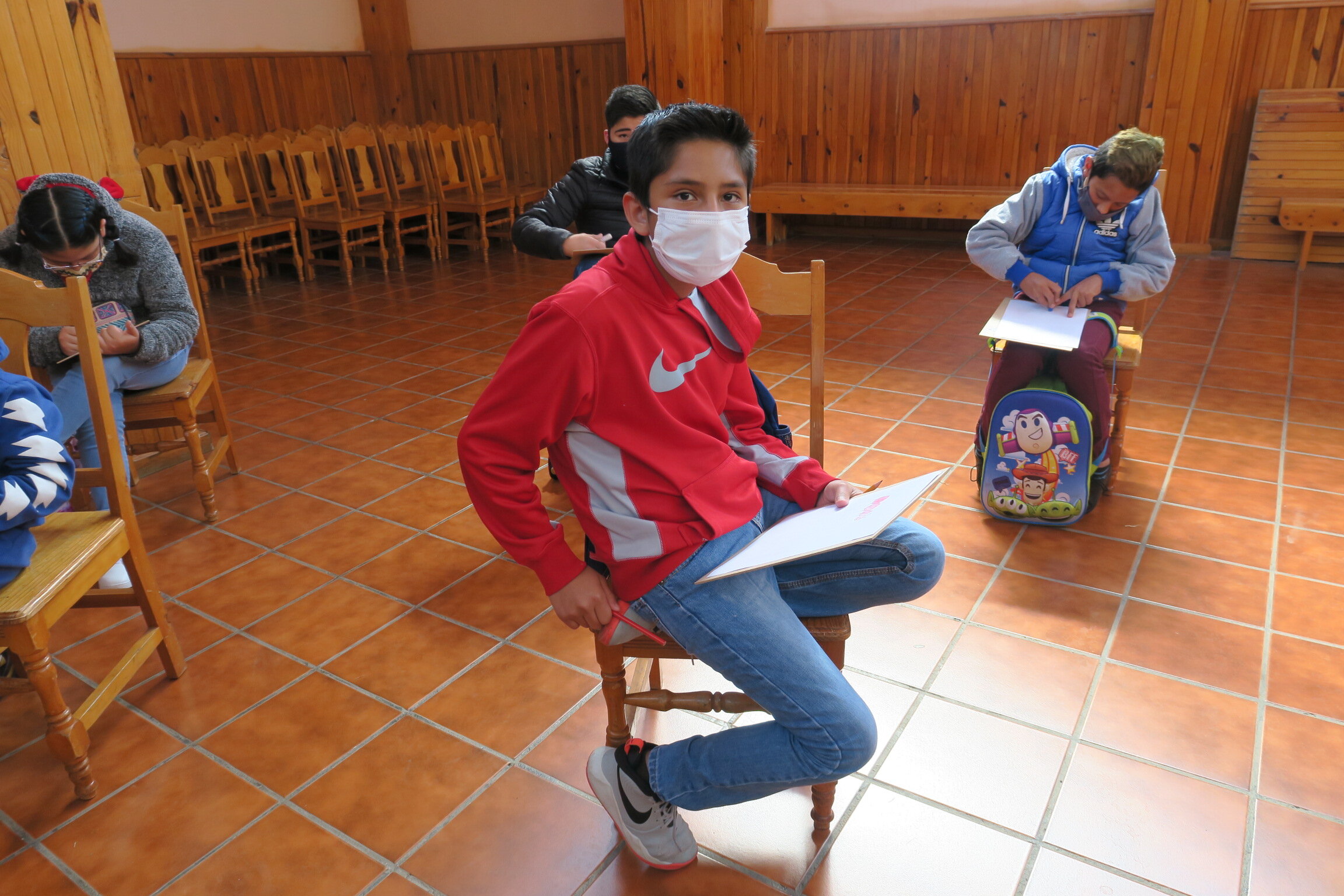
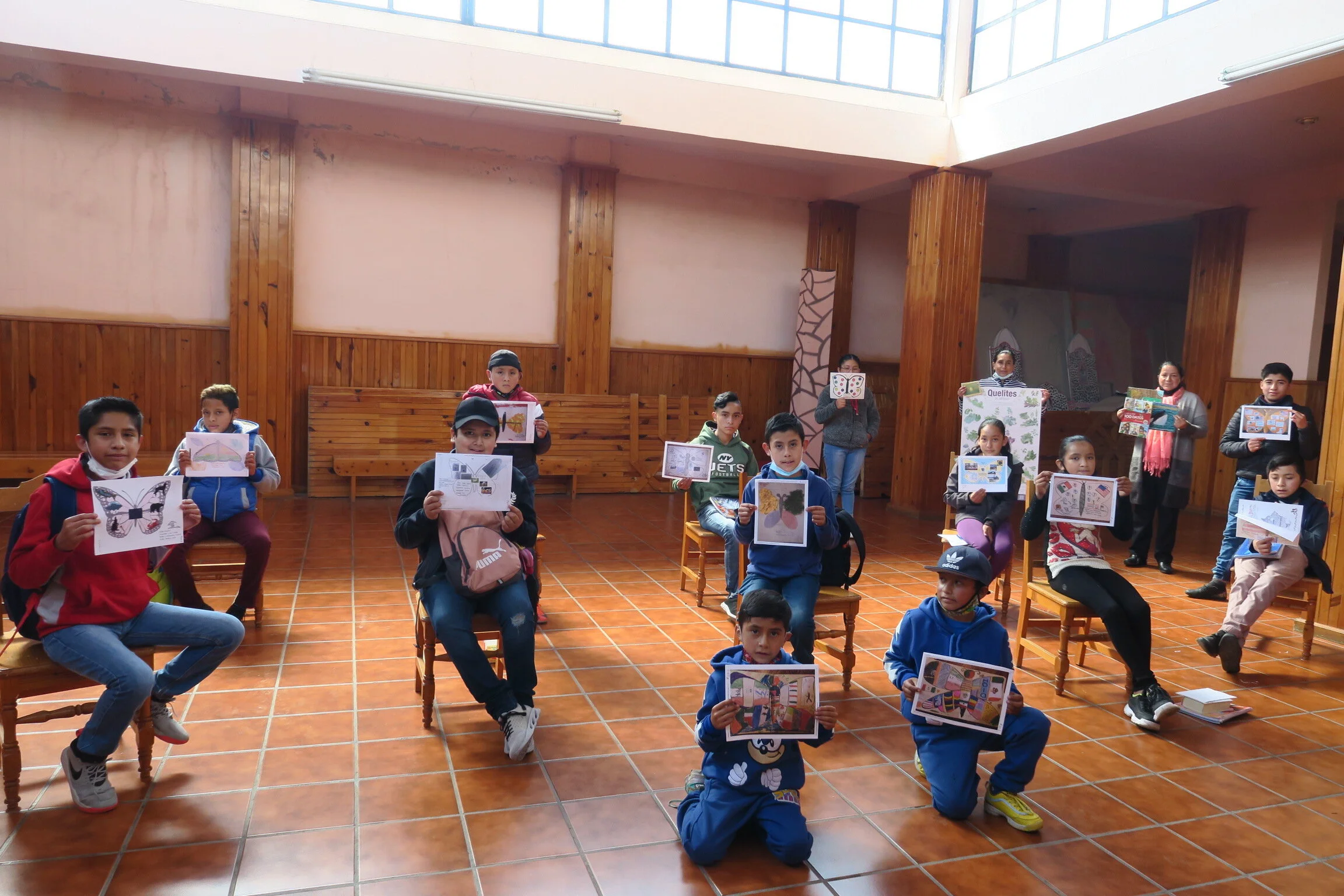
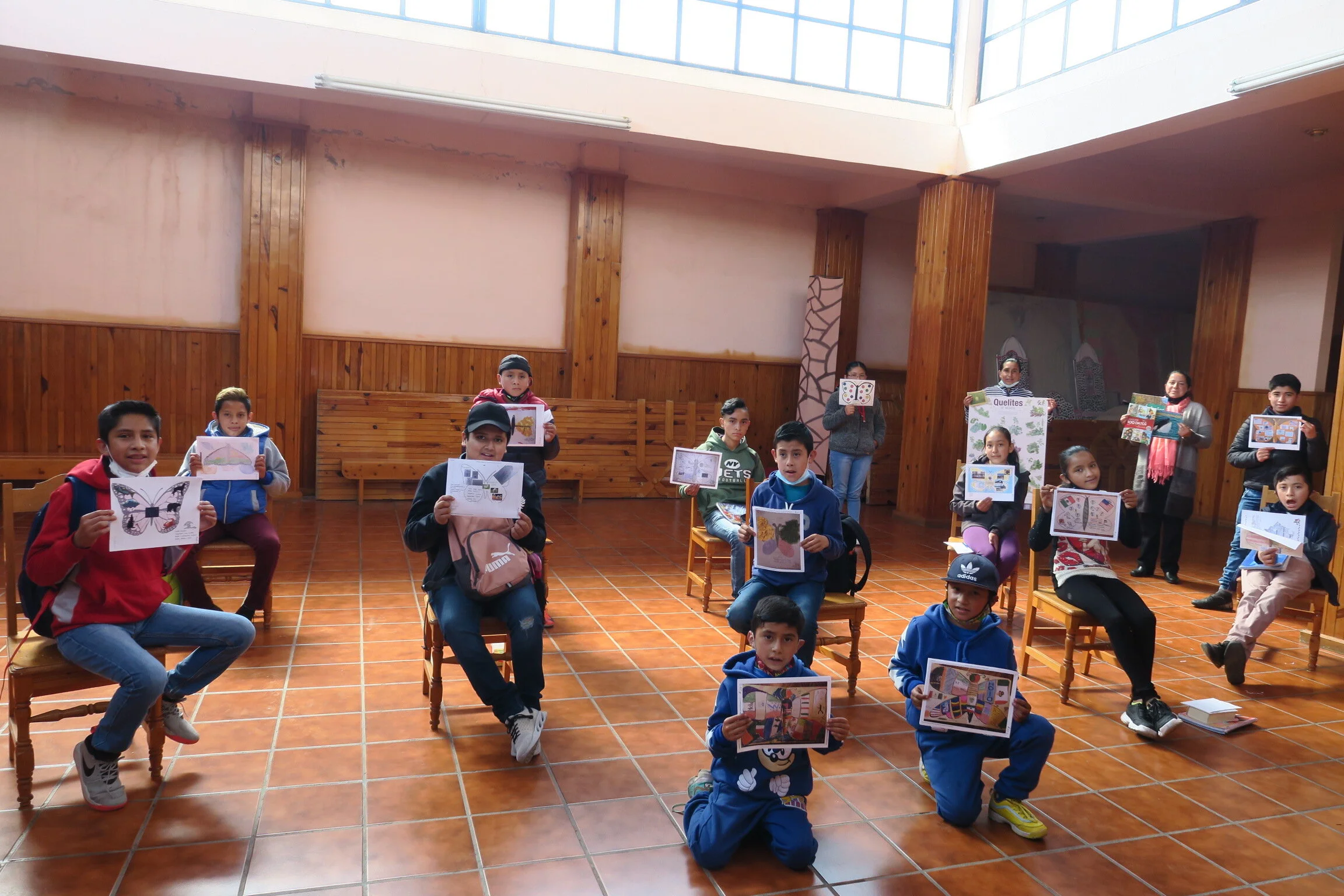
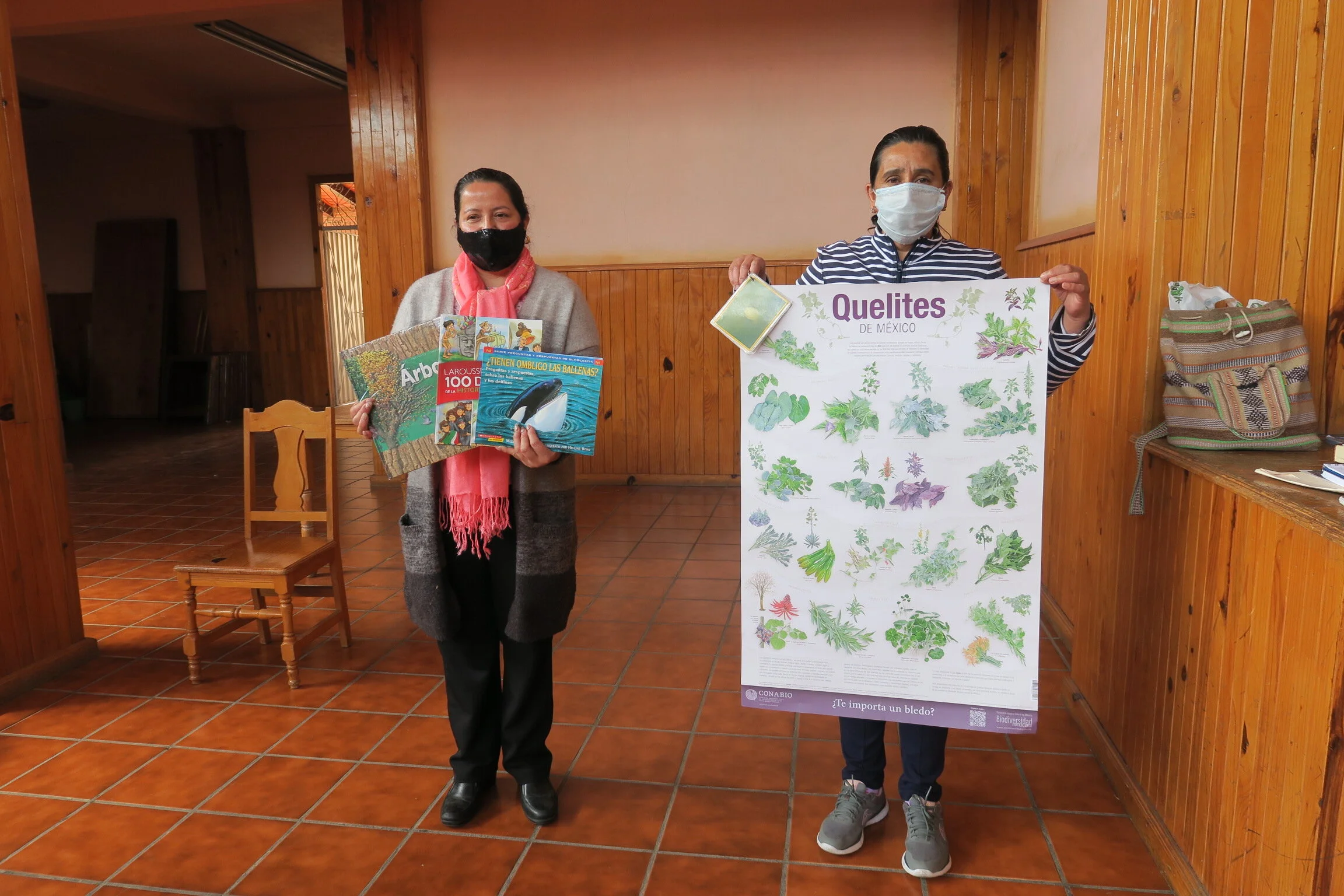
The Symbolic Migration has been requested to present the lesson of the season “The Benefits of Trees”, this past Saturday, January 23, to a group of elementary and middle school students who had missed attending our visit before Christmas, when the program was doing the series of presentations in the Aporo “county”, belonging to the down hillsides and flat land along the valley to “Sierra Chincua” Sanctuary. Their teachers considered the visit was far too important: “We need to reinforce the feeling of conservation in our new generations. When we are born, we know we will for sure die in our homeland, so we need to know how invaluable and determining for our future conserving our green surrounding, our forests is; We want to deeply appreciate the Symbolic Migration program to contribute to our children’s values and responsibilities” —teacher María de Jesús said vehemently—. The life cycle of Monarchs was taught during the time the Symbolic Migration had visited these children at their school itself in previous seasons and they could remember most facts and reinforced this part wonderfully. So, the lesson was focusing directly into the names of our ancestral forest trees first, and second, of our fruit trees. The conversation changed immediately once one of the boys in the class, Ramiro, mentioned: “We have a lemon tree at home”. Then, a girl, Maritza, commented while going over the names of our local forest trees: “Mom and dad have planted a rare tree in our garden which Dad says is not Mexican but from another country… the are grown in ornamental plant nurseries and sold in our open market day…”. Here one more of important topic to discuss, since in our local flora, we have been introducing ornamental flower plants and, we believe, a couple of trees that are not native to our local flora. “You know, the plants mom buys at the market with beautiful flowers to decorate our house, are plants grown in nurseries assisted by chemical fertilizers, which nectar will not be tasty and attractive for pollinators; they have got chemicals in. No, it is the wild flowers at the meadow, at the prairie and in the forest that are of great value, specially for pollinators!. The same happens with our trees. Our ancestral trees, the ones in the slides in front of us, are the ones belonging to our land, the ones which have been covering our huge mountains for hundreds of thousands even perhaps millions of years, like our giant Oyamel trees, the favorite to our beautiful Monarch butterflies and it is their seeds the ones of great value and quality to grow new trees in the forest, keeping this way our forests of high value and quality”. On the topic went for a few more minutes telling different names of flower plants and a couple of trees not belonging to our homeland and now becoming fashion in garden decoration here and there. The time to receive their Ambassador Monarchs came and children rejoiced at the idea of their letters being packed and sent to the United States and Canada flying in a plane, having their passenger ticket just like a person, landing on and being shipped to all of you, their new Pals in the North living and attending school just where Monarchs are coming from all the way south in the fall!.
AMBASSADOR MONARCHS DELIVERED HERE
Tandem Friends School, Charlottesville, Virgina
Brookville Elementary, Brookville, Ohio
Hollis Community School, Craig, Alaska
Mary Hogan School, Middlebury, Vermont
Woodfill Elementary School, Fort Thomas, Kentucky
Woodfill Elementary School, Fort Thomas, Kentucky
Woodfill Elementary School, Fort Thomas, Kentucky
North Henderson High School, Hendersonville, North Carolina
Rockwood Early Childhood, Chesterfield, Missouri
Tischer Home School, Stewartstown, Pennsylvania
Jefferson Elementary School, Gig Harbor, Washington
Elsinboro, Salem, New Jersey
Cabrini Catholic School, Allen Park, Michigan