
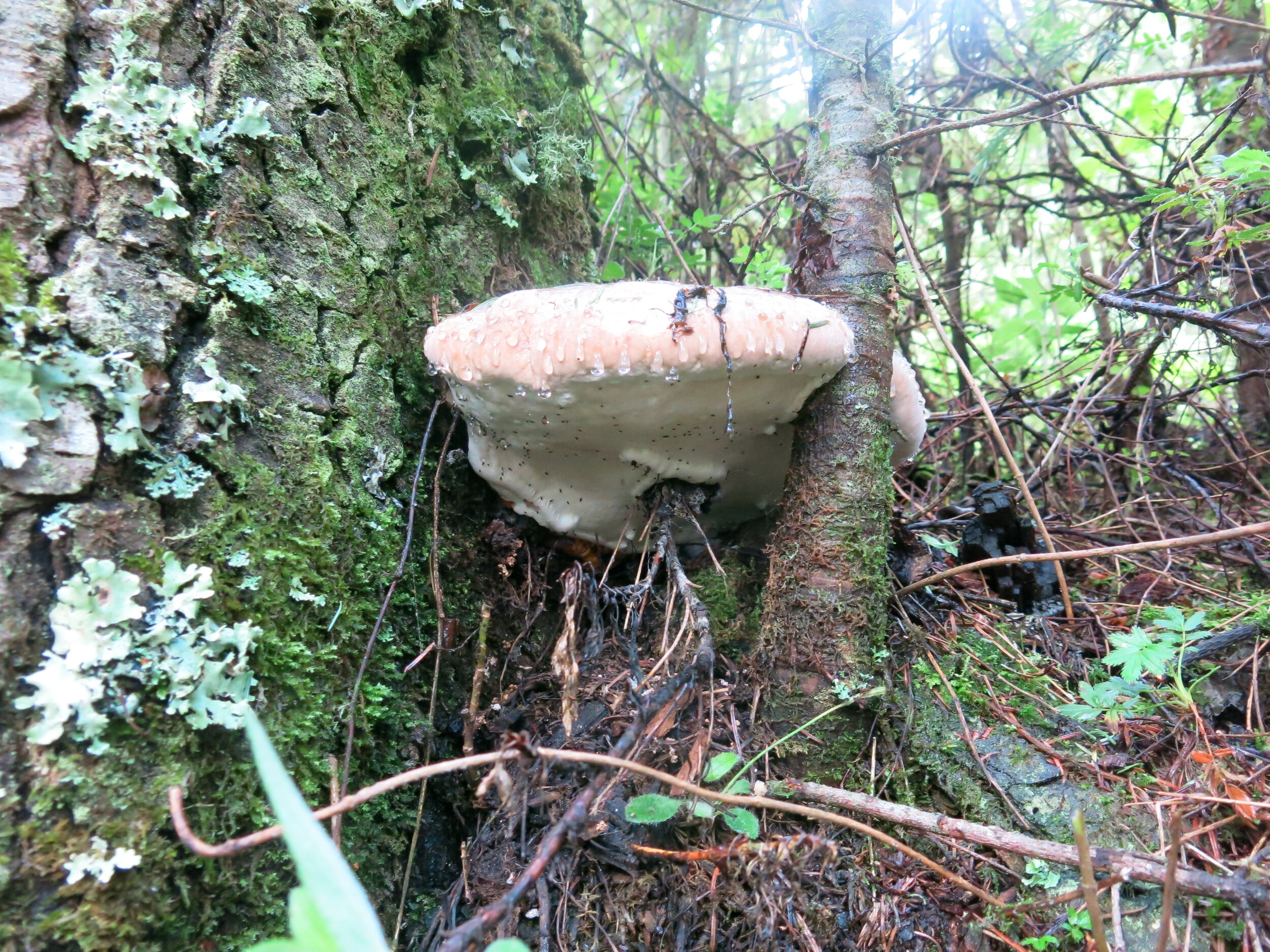
Some mushrooms can damage trees!
THE VISIT IN A SCHOOL
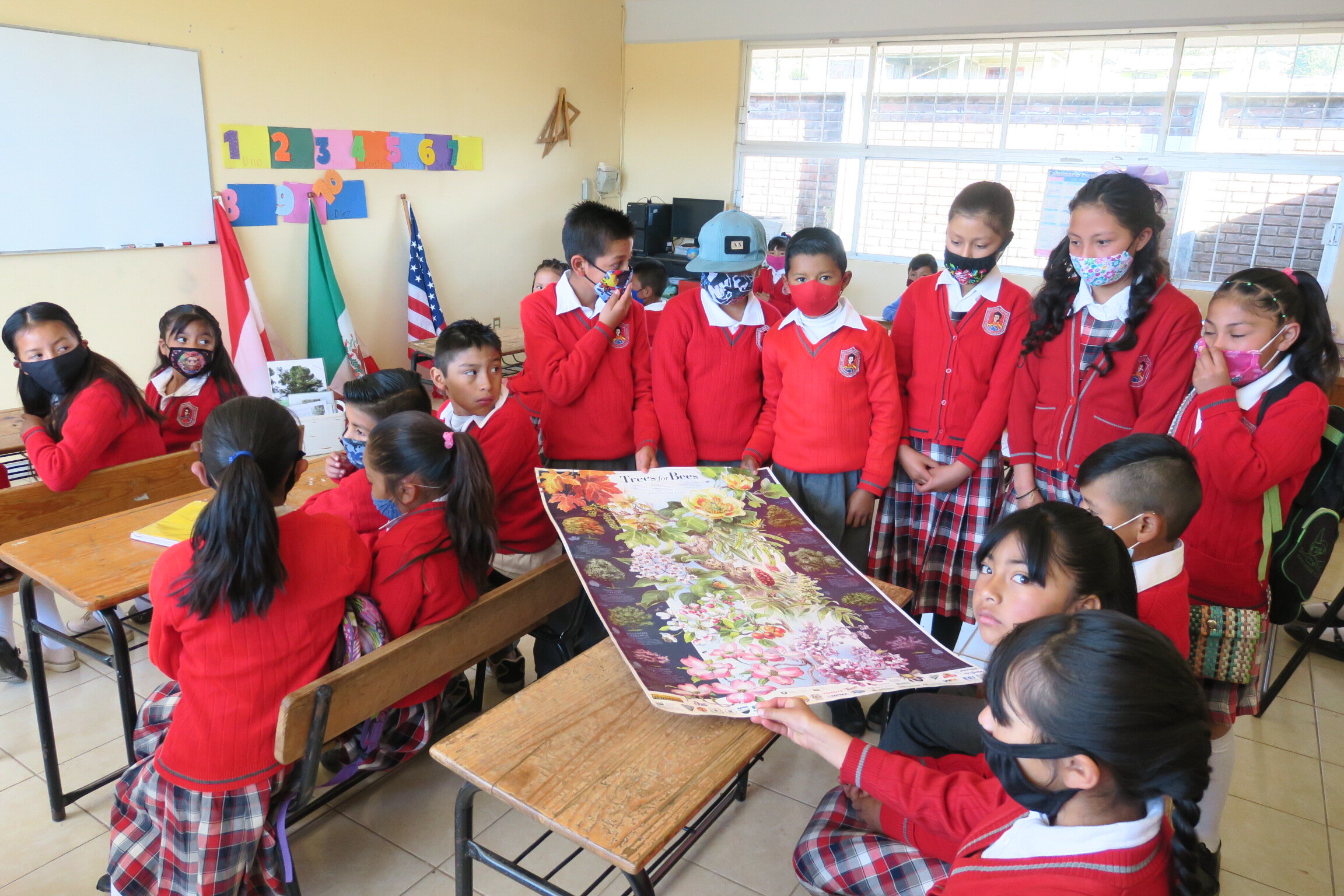
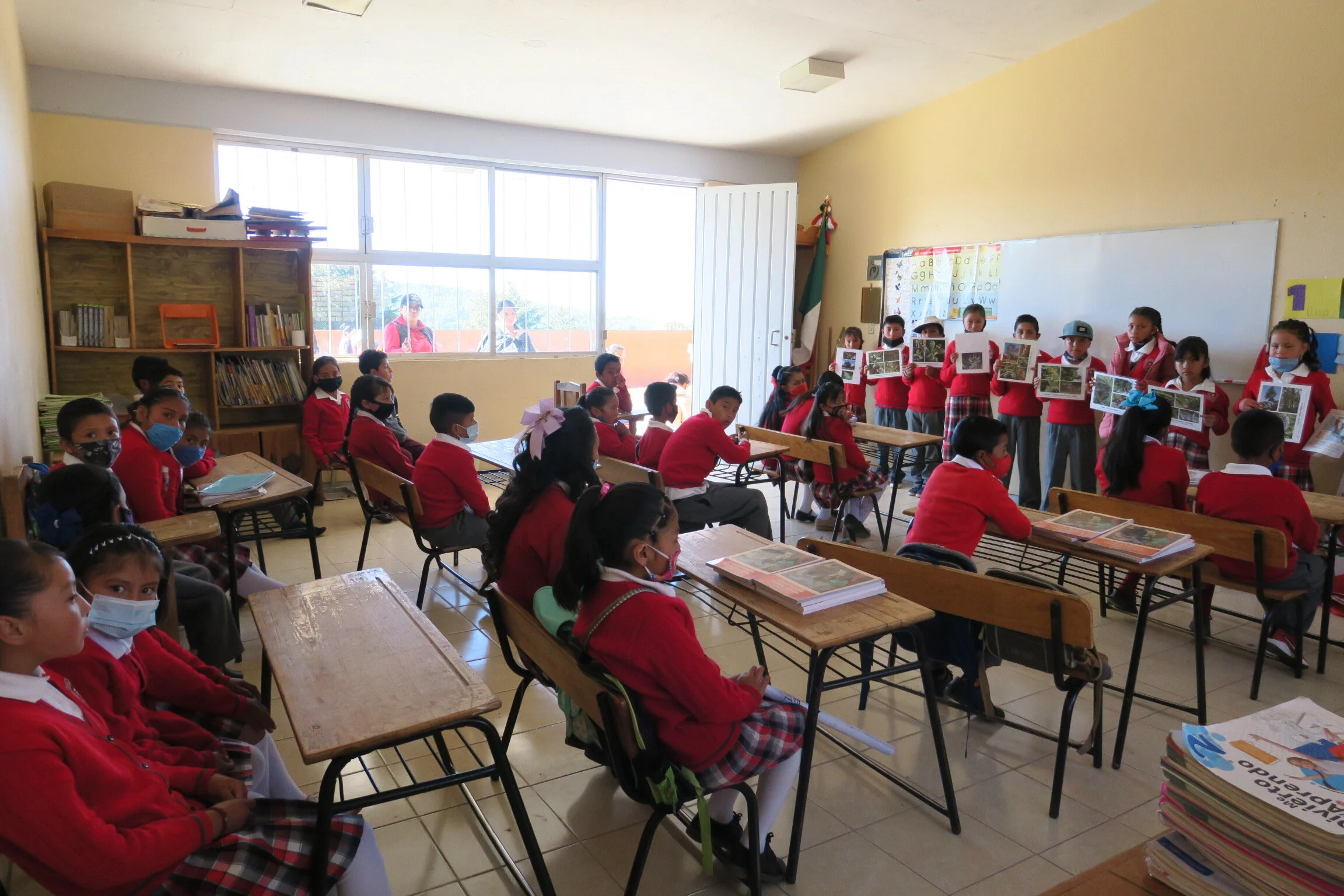
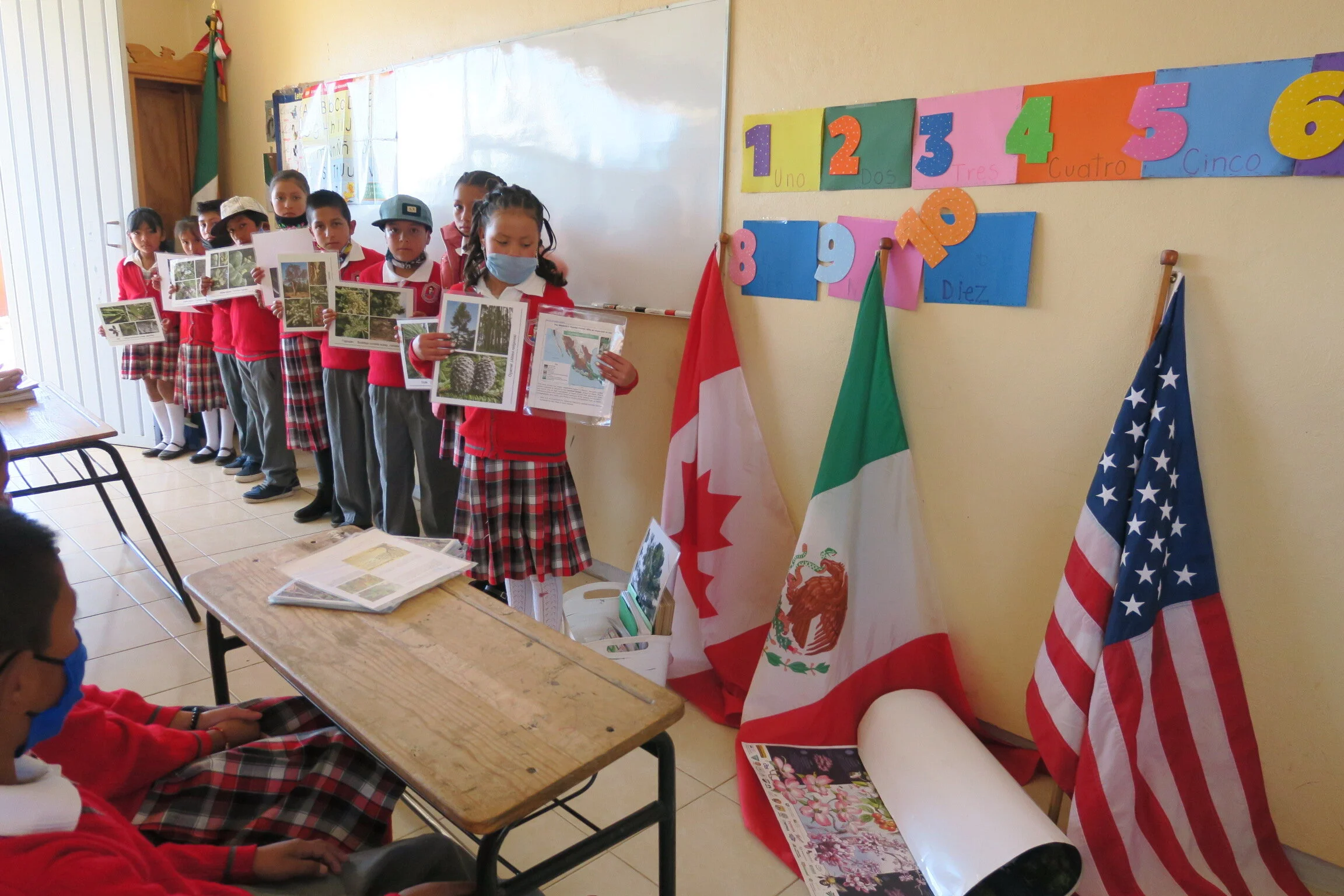
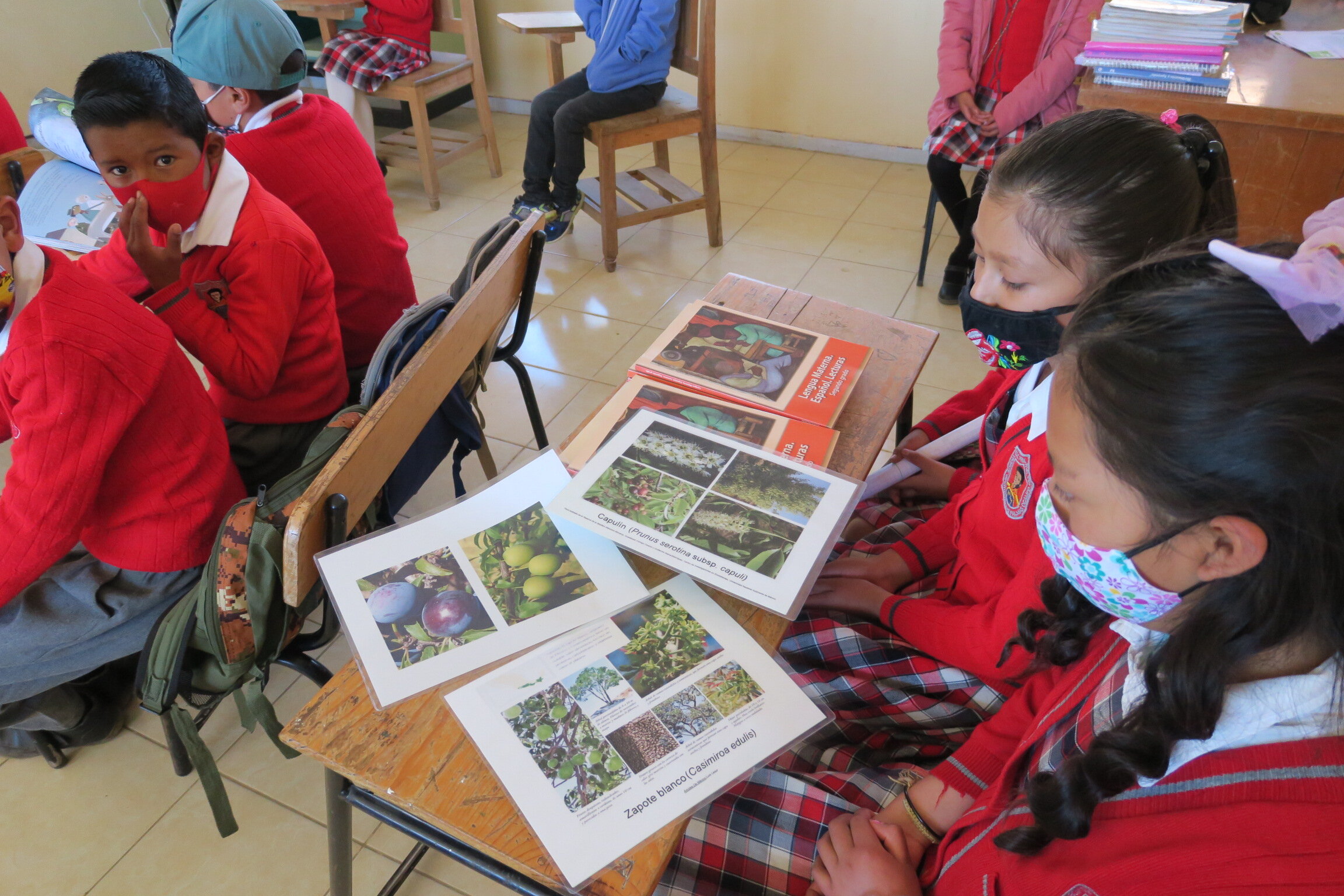
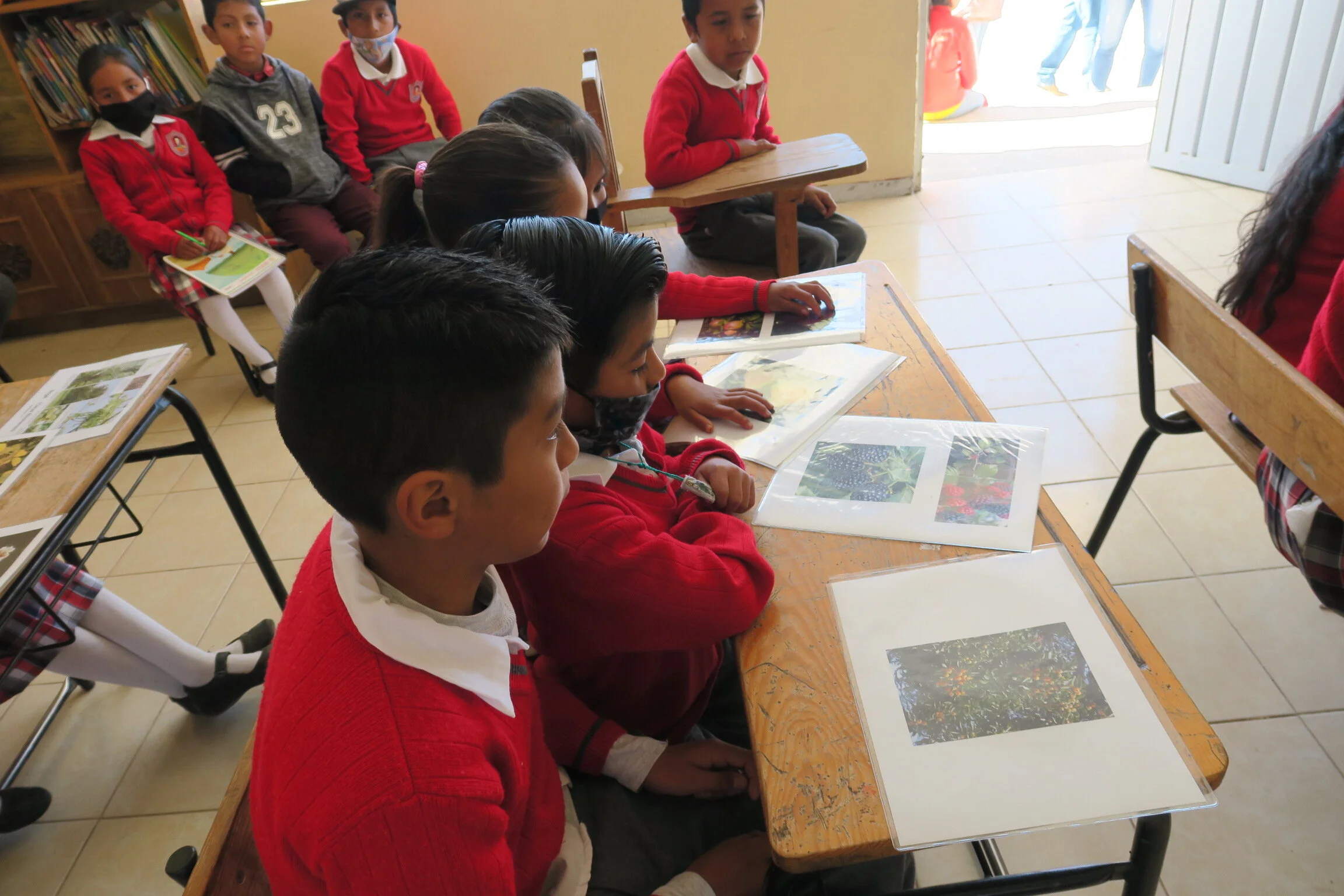
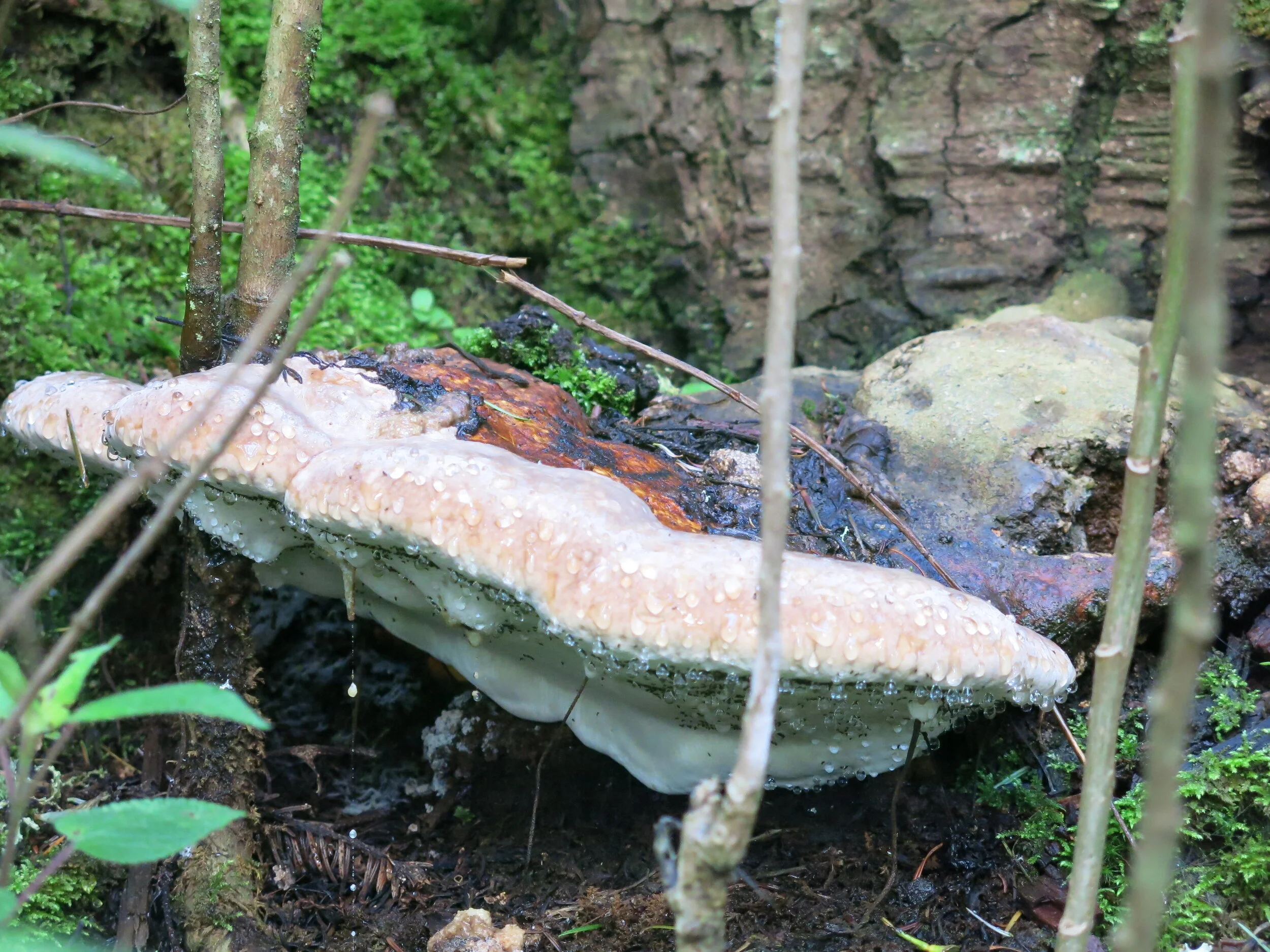
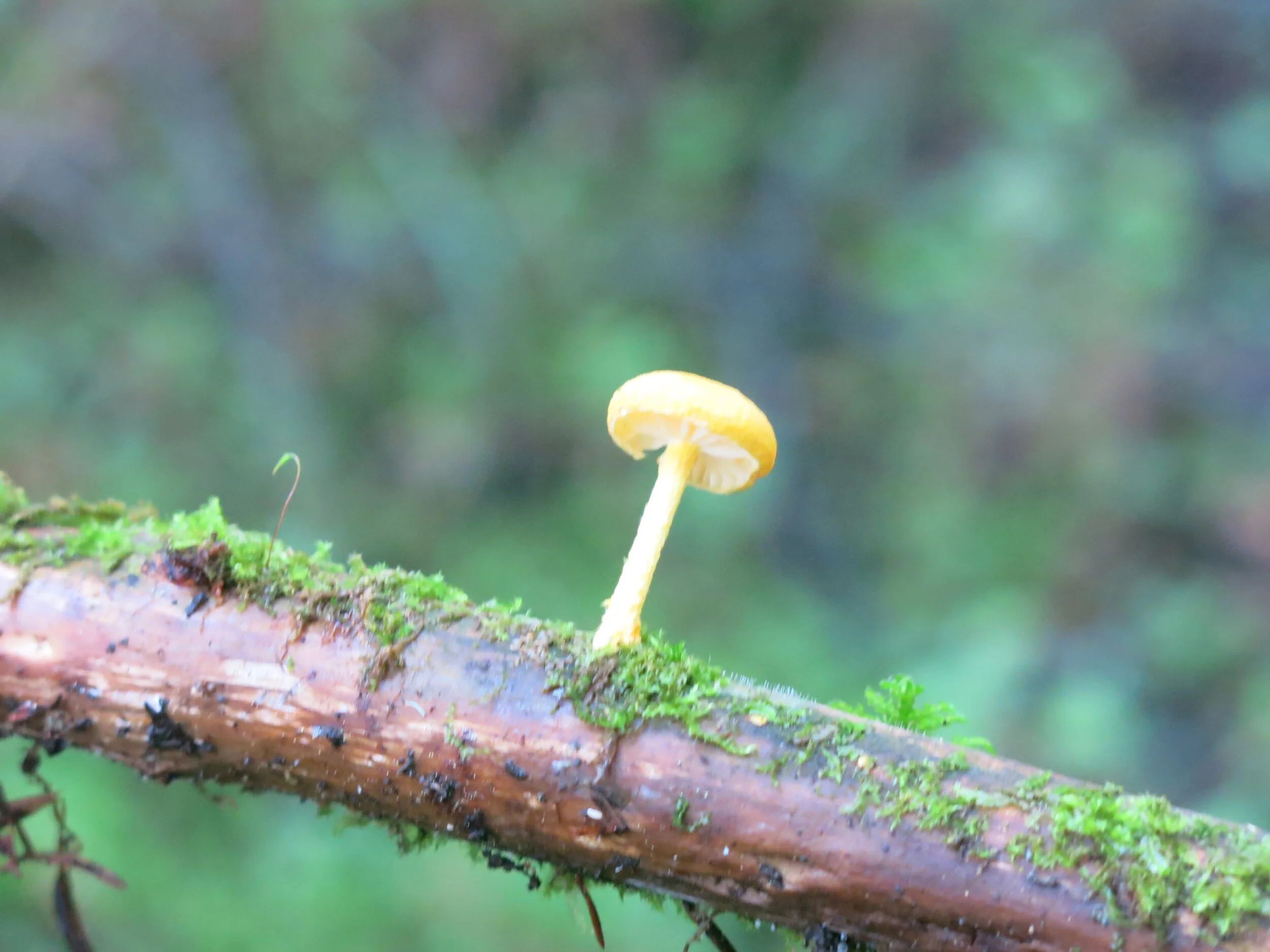
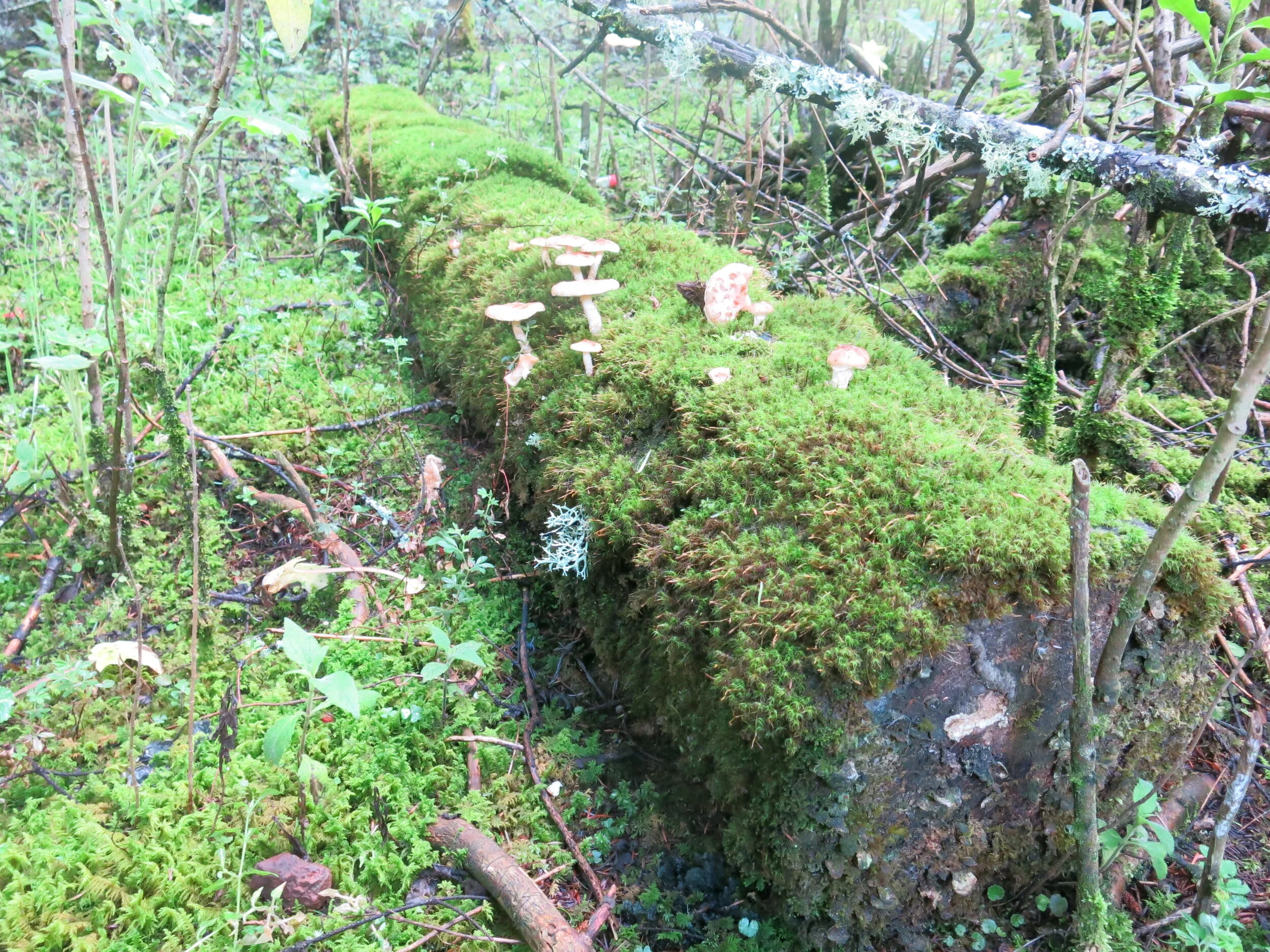
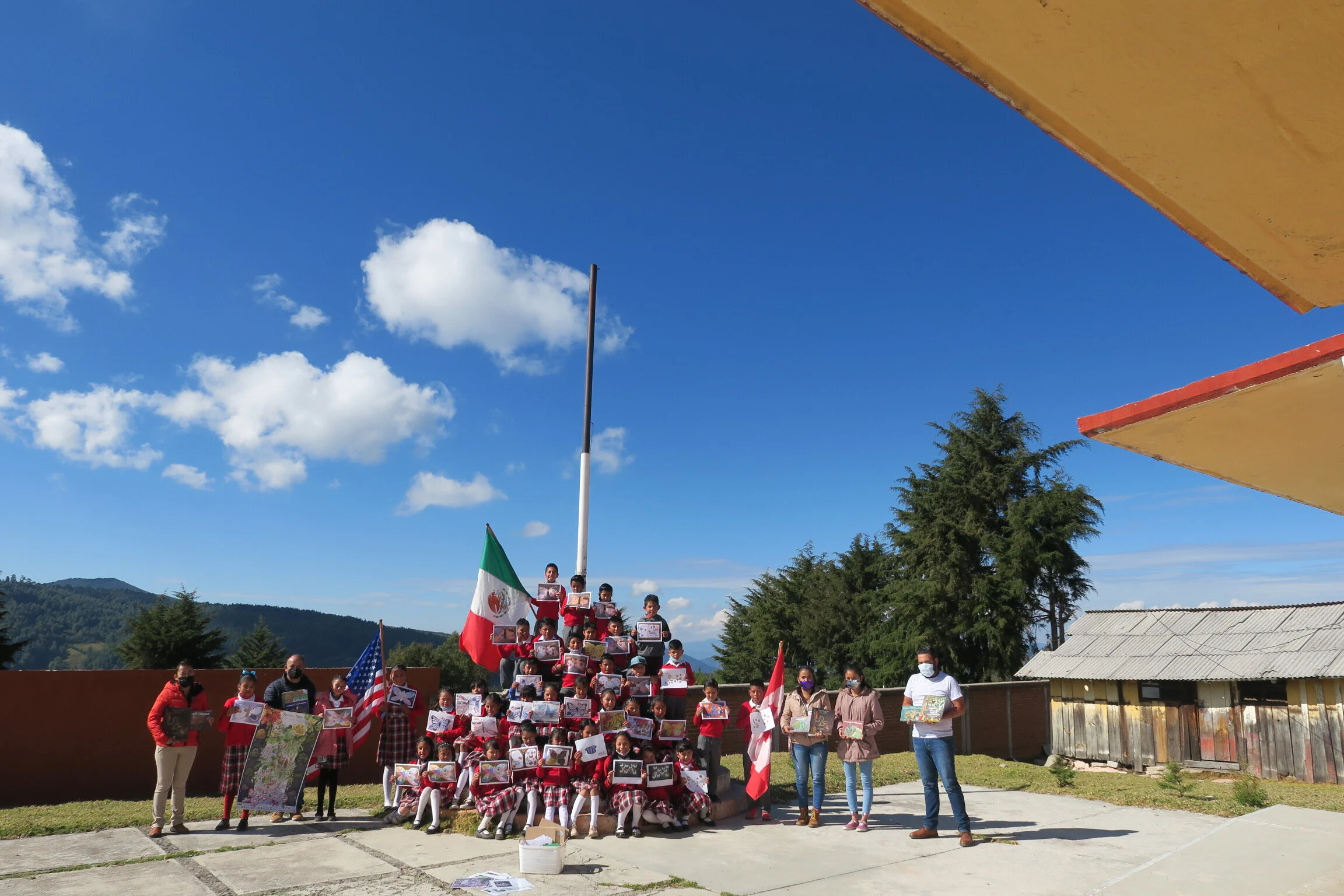
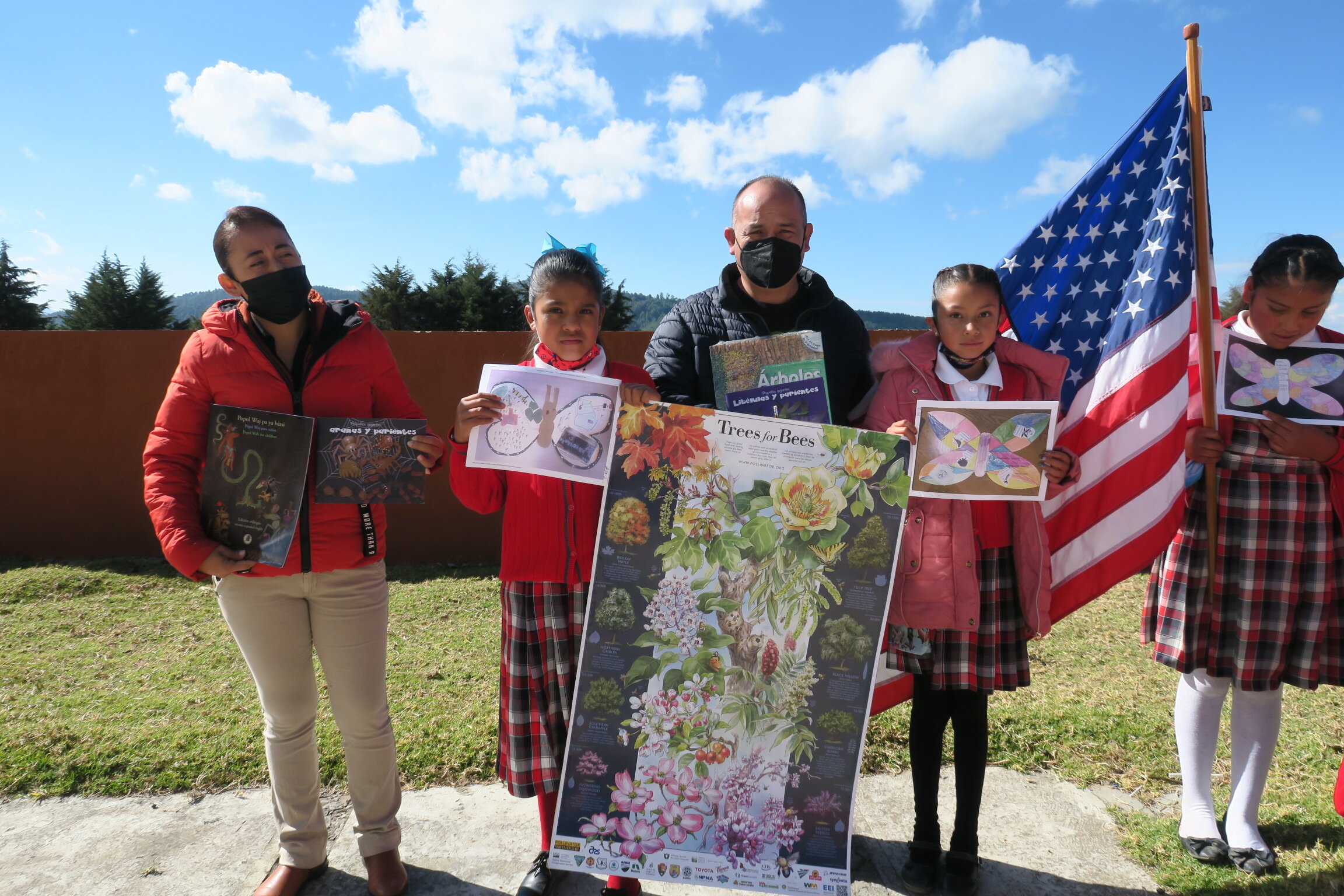
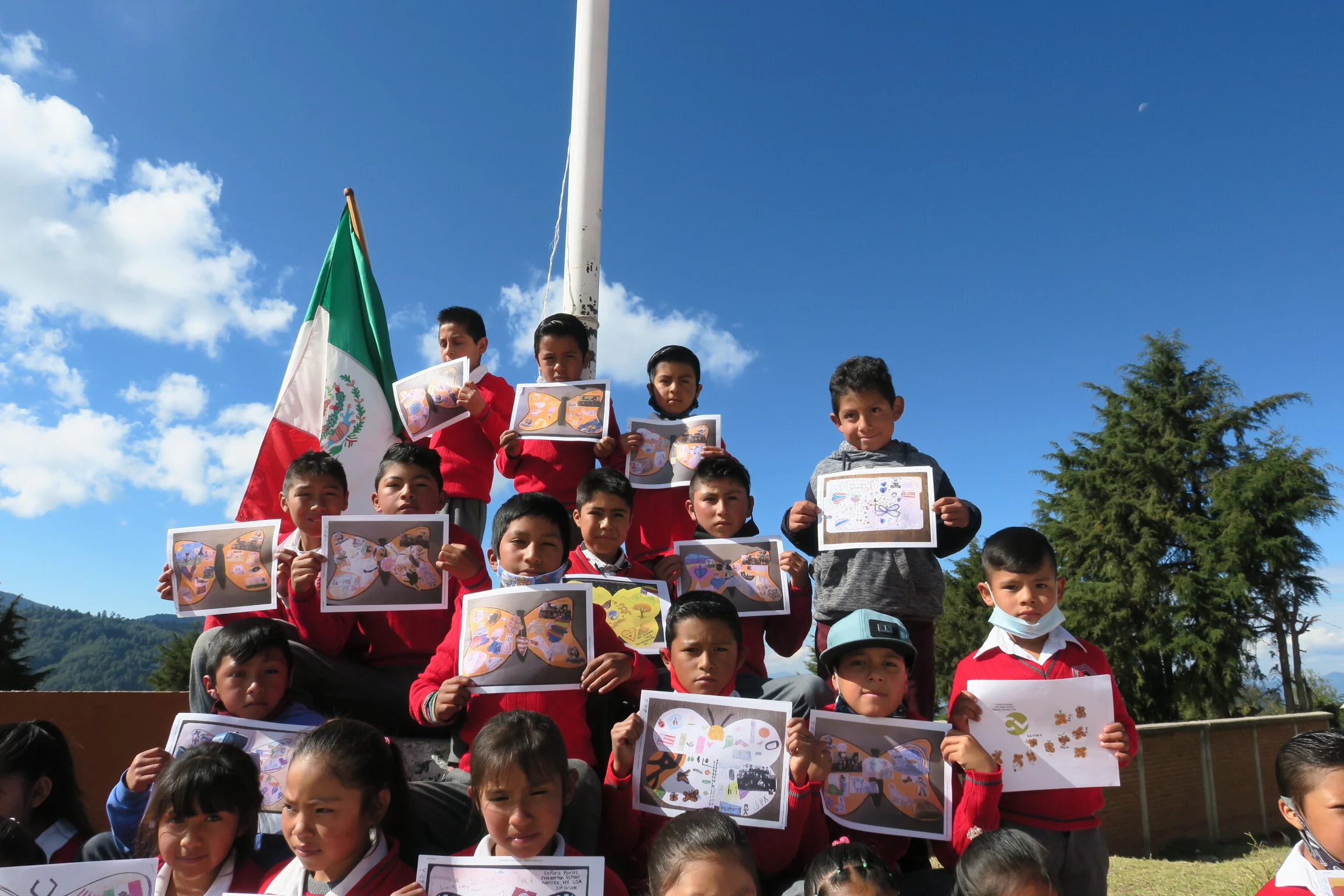
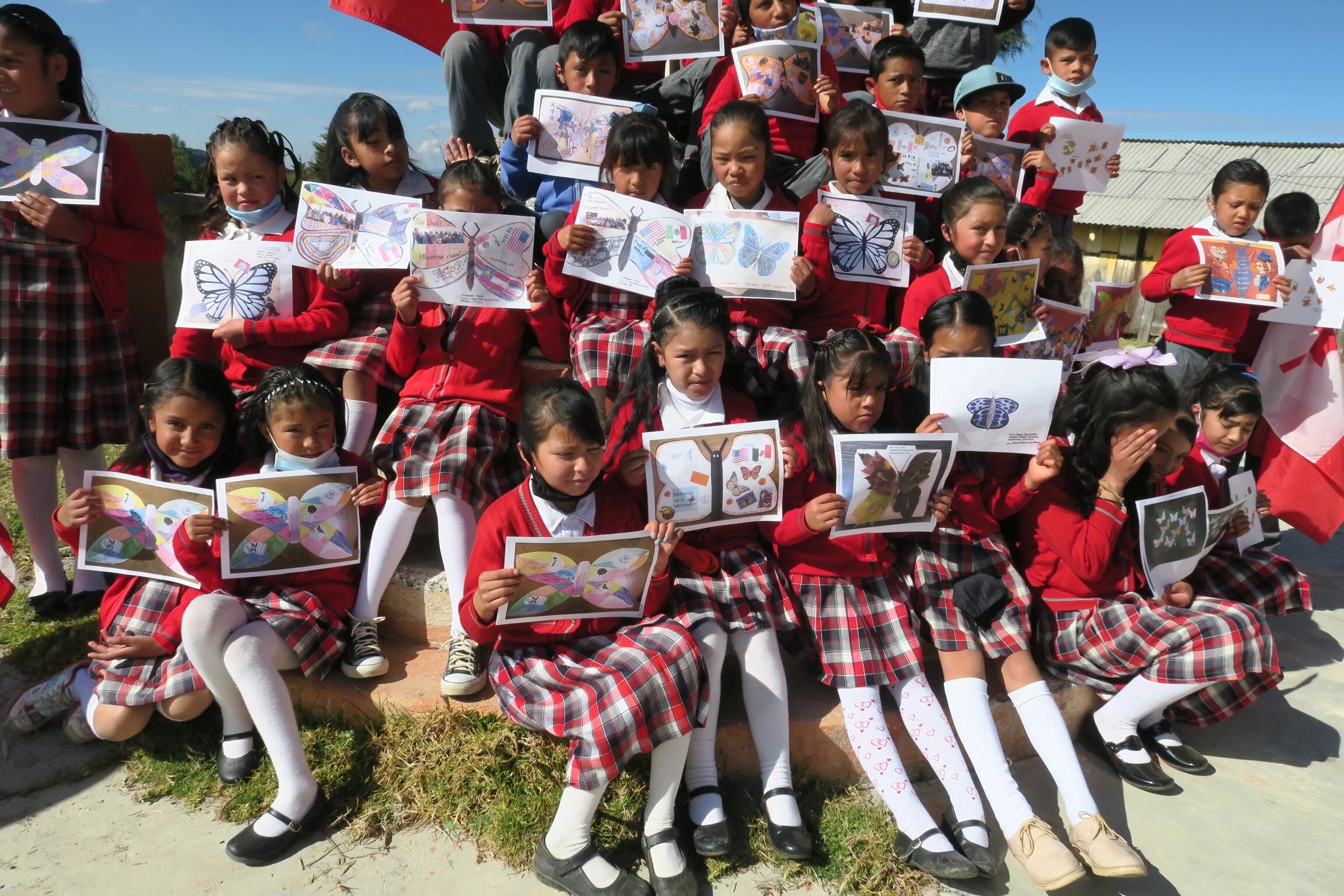
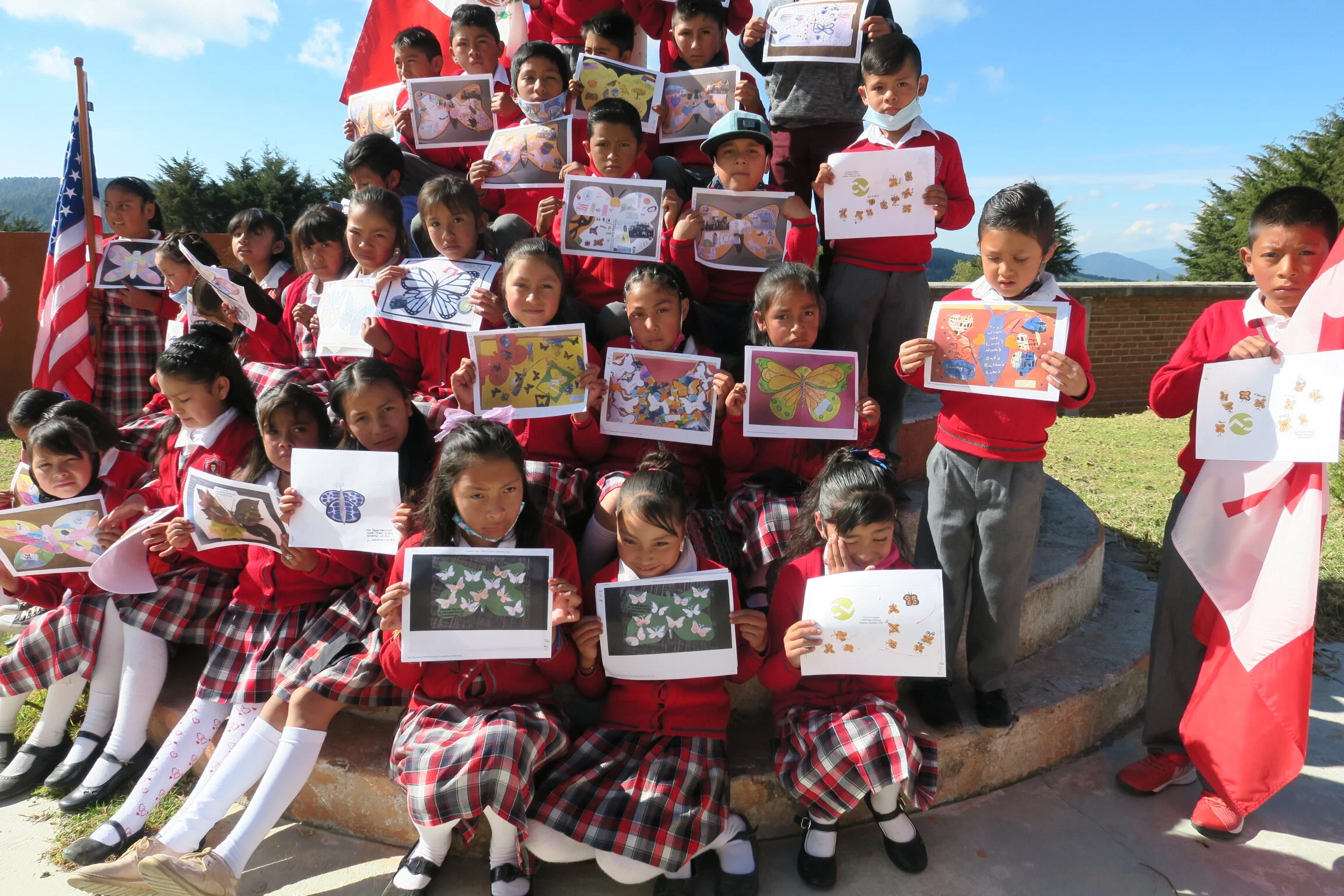
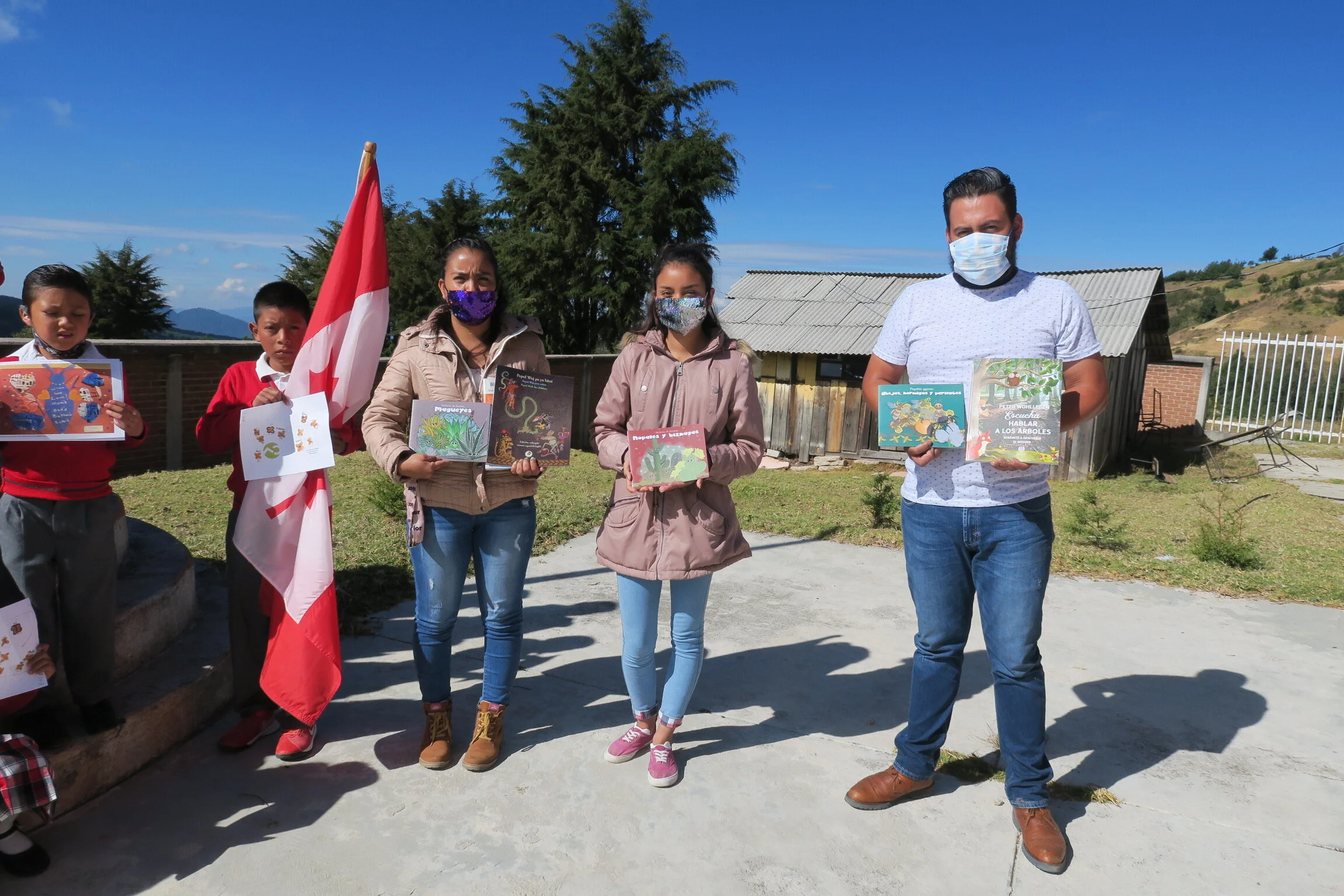
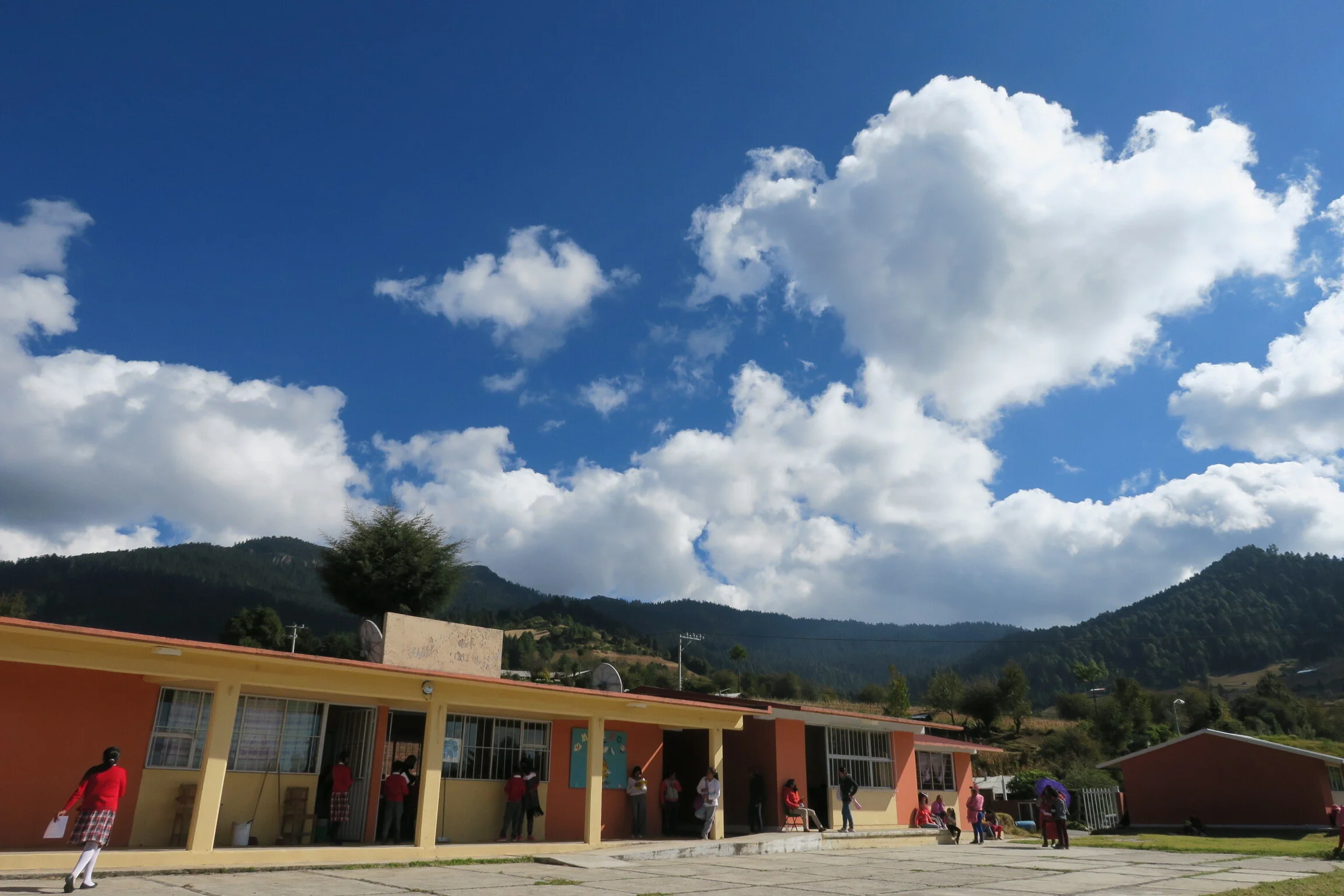
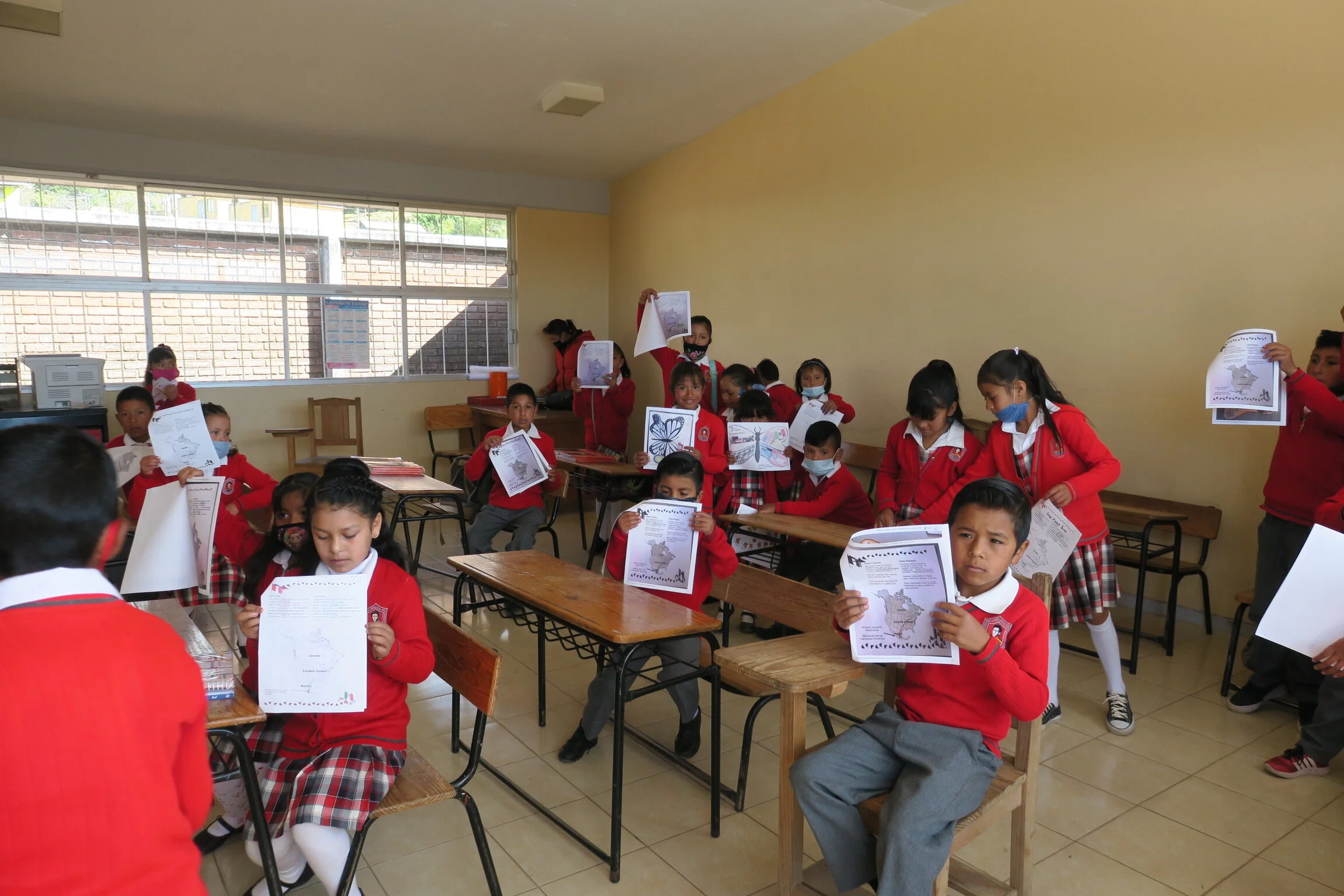
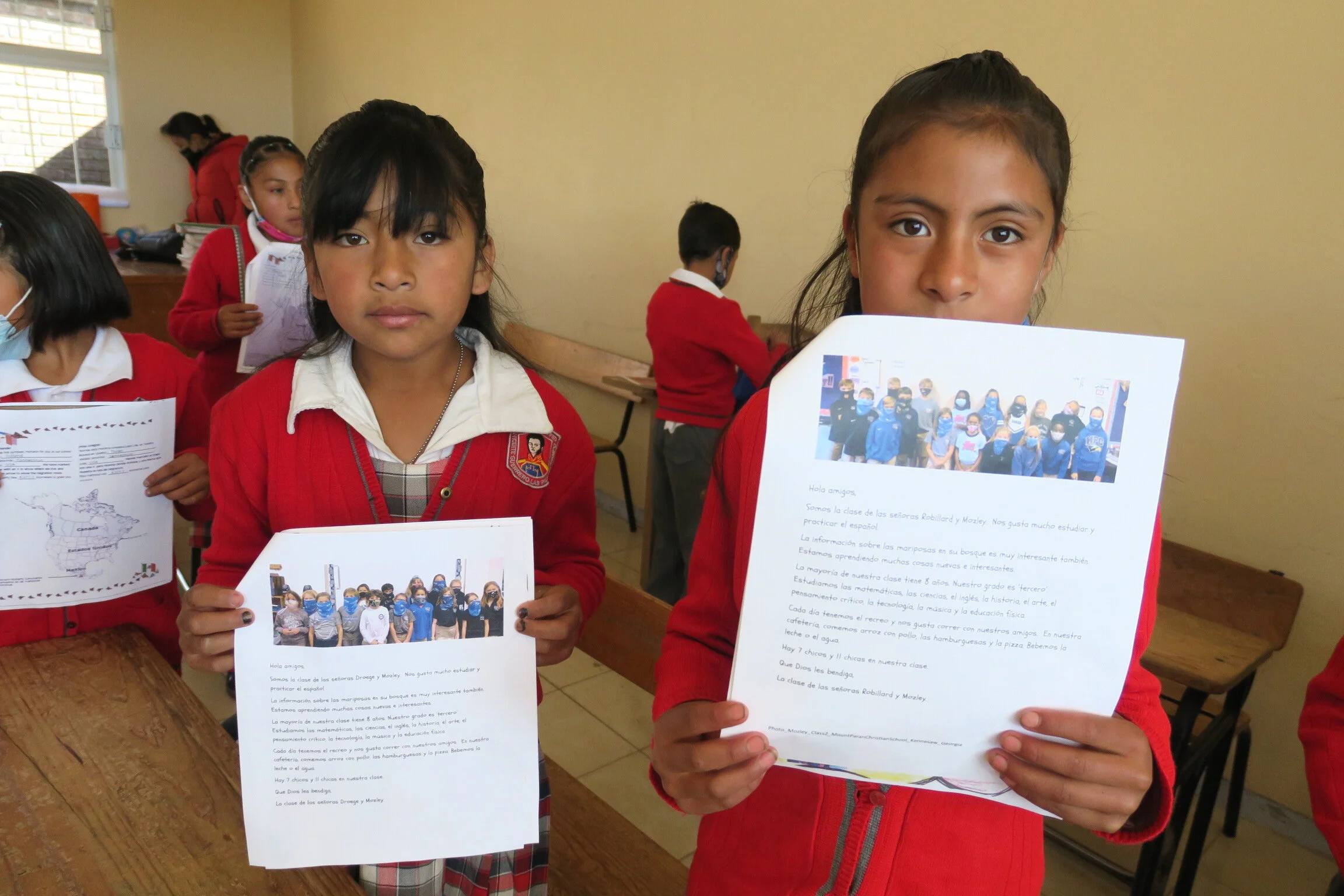
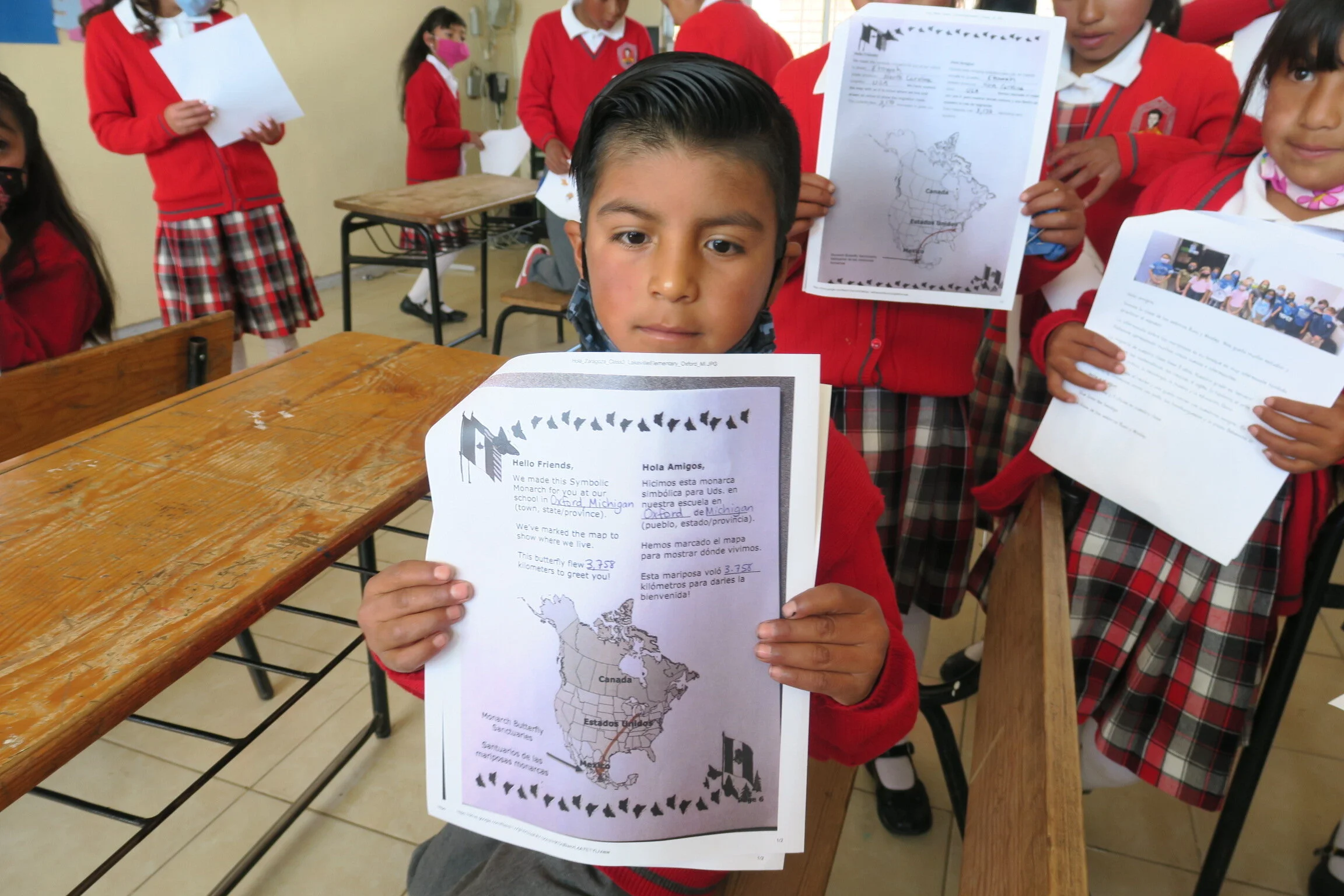
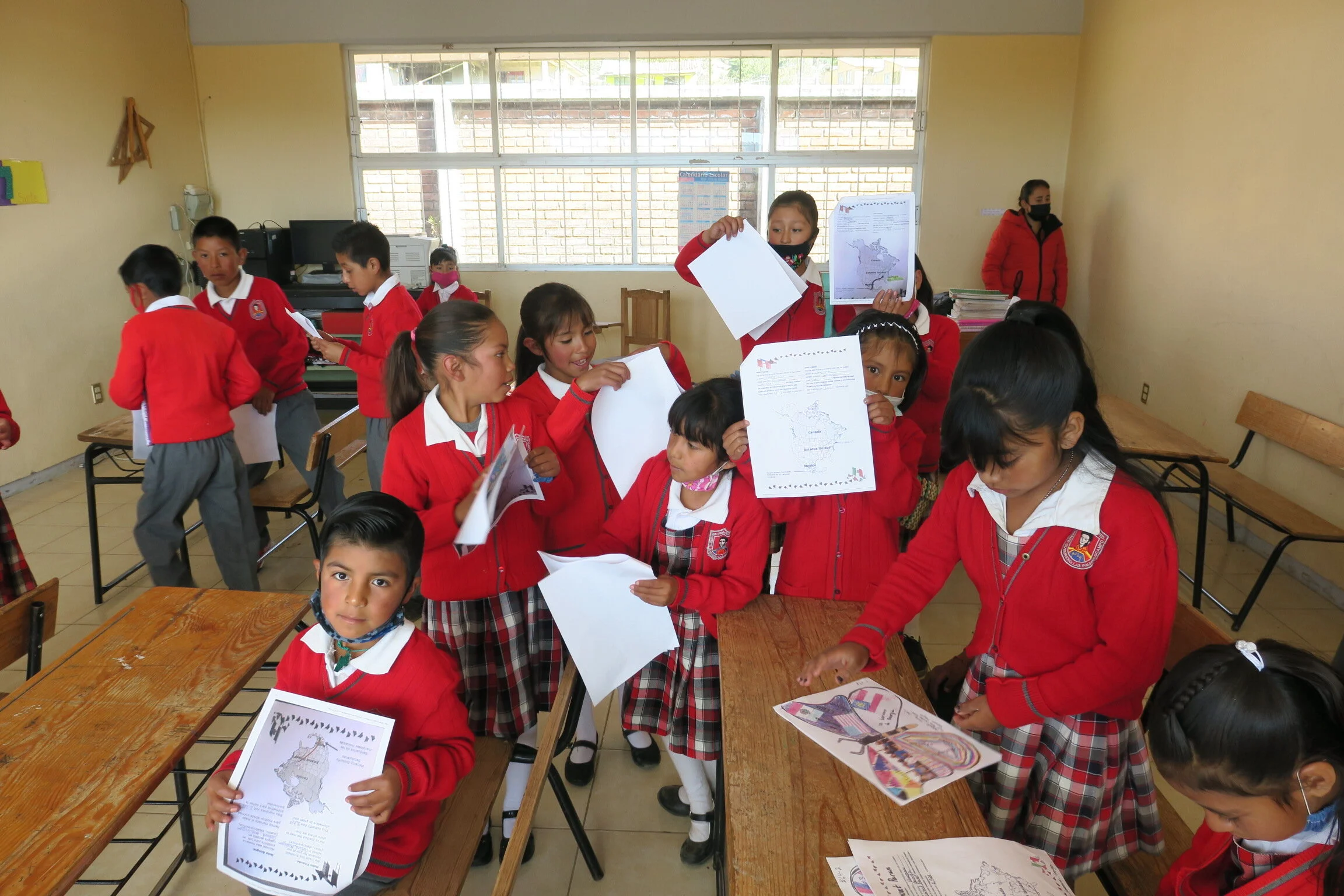
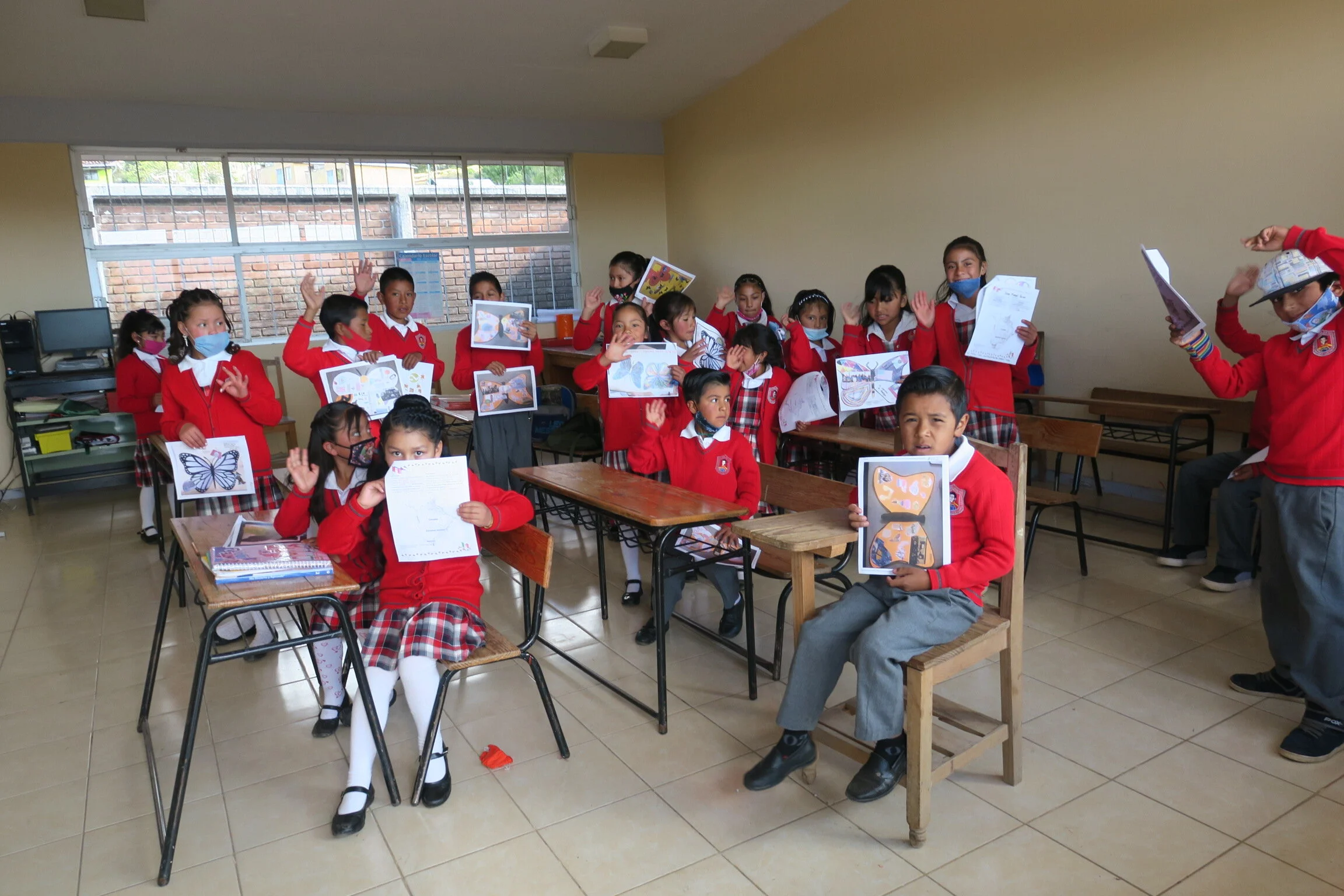
The Symbolic Migration was requested by teachers and parents in Elementary “Vicente Guerrero”, the closest elementary school to “El Rosario” Sanctuary, to come and perform this year’s lesson, as soon as they knew that our topic this year would be on “The Benefits of Trees” in our local ecosystem. Every year, the program is exceptionally welcomed by its principal, teachers and students at this school. They all requested an appointment and they were so honoring the arrival of the program that most students were wearing their school uniform, a signal of respect and honor to our visit!. Once the welcoming moment was over, the topic of the season was directly introduced observing for some minutes in our very colorful and big poster the way vegetation in general is different in other parts of the world, in this case, in the northern regions where Monarchs are being born and coming from Canada and United States. Then we went directly over the names of our local forest trees and its characteristics like seeds, shapes, commercial timber (or not), the high importance of the Oyamel trees for Monarchs’ habitat and so on; as the lesson progressed, it was necessary to make very clear that what we know as our “seasonal” or caducifolios trees are rather our fruit trees which are not growing in our forest at all!; except for “tejocotes” and “capulines” fruit trees as the only ones growing at a very considerable altitude, very close to Monarchs’ spots, the rest are all seen at rather lower altitudes either at the lower hill-side mountains, or at the valley flat areas or canyon-bottom, several hundred meters down from Monarchs’ overwintering spots. “Since our forests are all Coníferas tree forests, we actually have no Caducifolius trees in our forests; Coníferas are evergreen trees all year round”, --Estela underlined--. This said, Estela went directly onto some other important and adverse facts about mushrooms: “Fungi are strange creatures: They are not animals, neither plants (Estela explained children about the important role of of mushrooms in the forest to the large audience and let them know they are a very, very powerful living kingdom!). However, there are mushrooms that are very dangerous for trees in the forest too”, --Estela warned--, “Oh, really?; which mushrooms, those we call crazy mushrooms, that is, poisonous mushrooms?”, --a few children replied to Estela and then let her continue--: “See, among other threats of mushrooms to trees, it is very important that trees’ bark is not hurt in any way, so that fungi spores, being everywhere in the air, cannot come into the tree trunk below the bark layer. If a tree gets a cut in its bark, it will take only minutes that spores can come in and damage the tree; sometimes if the cut is small, the bark itself can recover over 2-3 years and overcome the damage, but a cut is rather large and deep, fungi can eat-up the whole tree-trunk-timber within a few years. Those hard layered mushrooms looking like half-plates on the trunk of trees in the forest, are like the flowers or fruits of such mushrooms inside the tree; they are the signal that the tree will be dead within a few years only. Nevertheless, there are trees that can live as long as up to fifty (50) years with this problem!. This is the reason why we shall never damage trees in any way; we need to leave nature alone; whatever is naturally being disturbed within a local ecosystem itself, nature itself will solve its own problems”. “Another threat is the “Honey Mushrooms” which grow and progress quickly along the ground, which when reaching tree trunks, climb up kill the tree until it falls down and is totally eaten”, --Estela concluded--. Many questions came after this explanation among our young students: “What else happens in the forest”, “this sounds like a mystery novel!”, --children whispered to each other hardly believing what they were hearing--“Do trees and animals speak to each other?”, “Do trees form a family?”, “is there a language in the forest among plants and animals?” “do trees have a birthday?” “Is the forest giving us the water we need?”… many children made themselves a lot of questions, all of which, now, thanks to two new book titles specifically on trees: “Arboles” and “Escucha hablar a los árboles”, a substantial part of the book donation this year by the Monarch Butterfly Fund this season, these and many more questions and surprising facts are being responded to our local students and their teachers and families, so that they can discover the permanent and vital interconnection in the forest resulting in the fantastic equilibrium we can see every day. At every visit, our children living around the Monarchs’ Sanctuaries so much await for the moment they will receive in their own hands their Symbolic Monarchs from their Northern friends from where Monarchs have come from in Canada and the United States!... they keep hesitating whether their own letters of response will be good enough for you there in the North to learn a tiny bit of their local life and a few important facts of the forests where Monarch butterflies overwinter and live near them… “To think that thanks to Monarch butterflies we can get all these knowledge about nature and this beautiful books with so many answers about our local nature…!”—Principal Hector and his teachers closed, expressing her deep gratitude to the visit this day…
AMBASSADOR MONARCHS DELIVERED HERE
Lakeville Elementary School, Oxford, Michigan
Lakeville Elementary School, Oxford, Michigan
Lakeville Elementary School, Oxford, Michigan
Lakeville Elementary School, Oxford, Michigan
Lakeville Elementary School, Oxford, Michigan
Lakeville Elementary School, Oxford, Michigan
Lakeville Elementary School, Oxford, Michigan
Lakeville Elementary School, Oxford, Michigan
Sheboygan Christian School, Sheboygan, Wisconsin
The Mountain Community School, Hendersonville, North Carolina
Arborbrook Christian Academy, Matthews, North Carolina
Etowah Elementary, Etowah, North Carolina
Mount Paran Christian School, Kennesaw, Georgia
Mount Paran Christian School, Kennesaw, Georgia
Mount Paran Christian School, Kennesaw, Georgia
Birch School, Merrick, New York
Chatterton School, Merrick, New York
Mount Vernon Preschool, Atlanta, Georgia
Mount Vernon Preschool, Atlanta, Georgia
Mount Vernon Preschool, Atlanta, Georgia
Mount Vernon Preschool, Atlanta, Georgia
Cliff Valley School, Atlanta, Georgia
Cliff Valley School, Atlanta, Georgia
Cliff Valley School, Atlanta, Georgia
Saint Nicholas School, Chattanooga, Tennessee
Saint Nicholas School, Chattanooga, Tennessee
Groveton High School, Groveton, New Hampshire
Wittenberg Elementary, Wittenberg, Wisconsin
Norman J Levy Lakeside School, Merrick, New York
Tolland Intermediate School, Tolland, Connecticut
Tolland Intermediate School, Tolland, Connecticut
Tolland Intermediate School, Tolland, Connecticut
Tolland Intermediate School, Tolland, Connecticut
Tolland Intermediate School, Tolland, Connecticut
Annuciation Day School, Atlanta, Georgia
Saint Pius X Catholic School, Indianapolis, Indiana