
Ecology-focused school at the Reserve!
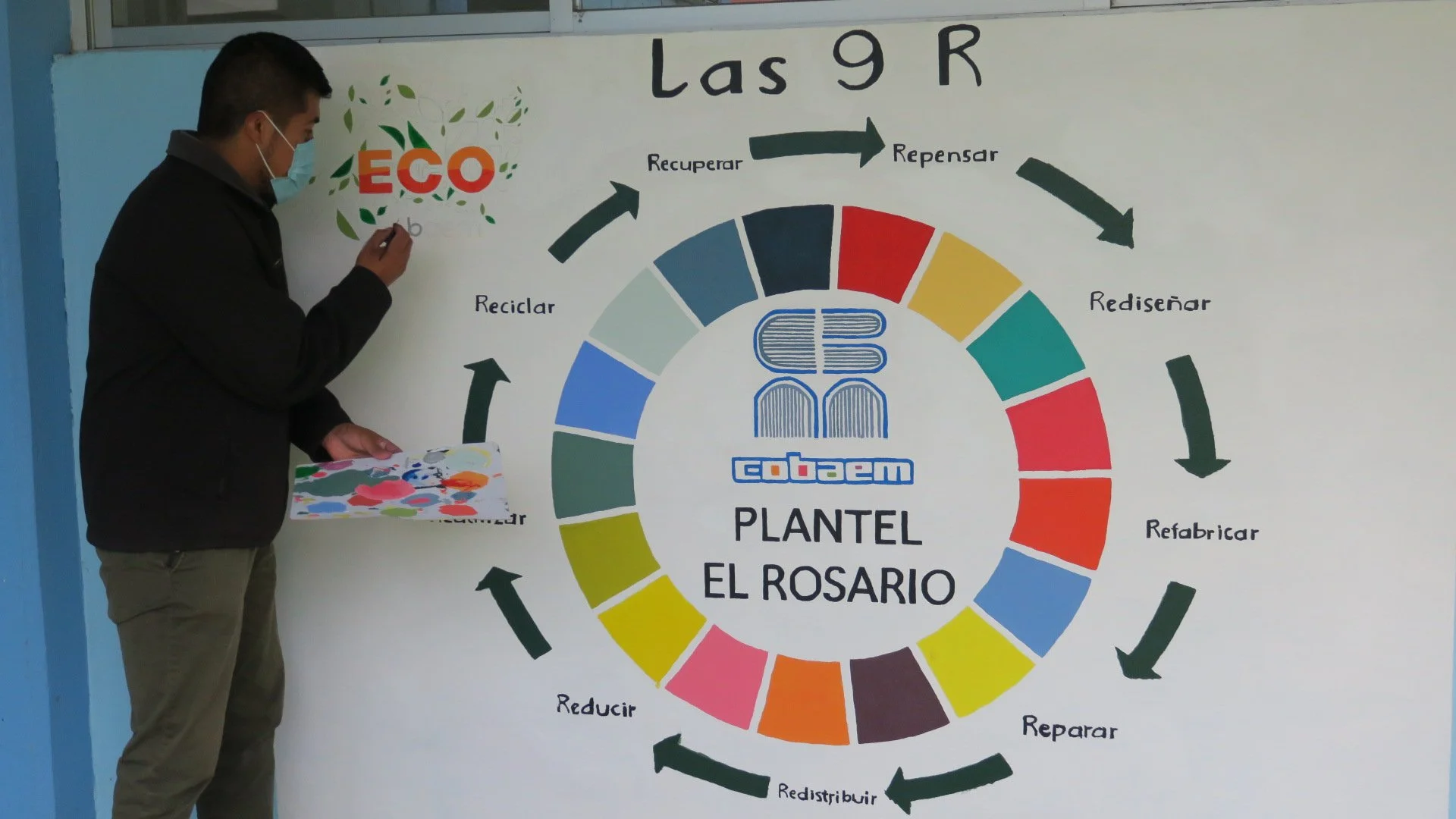
THE VISIT
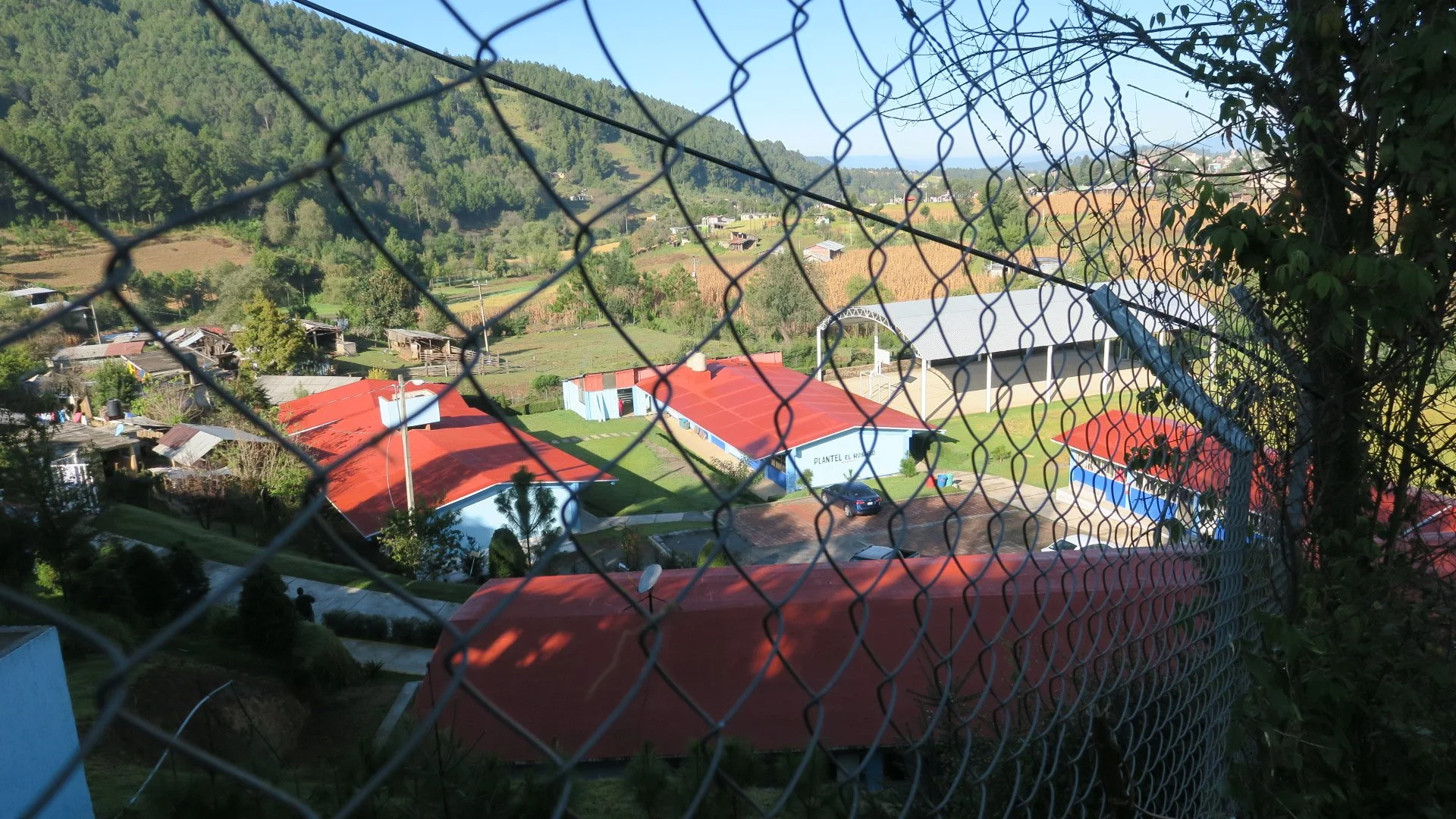
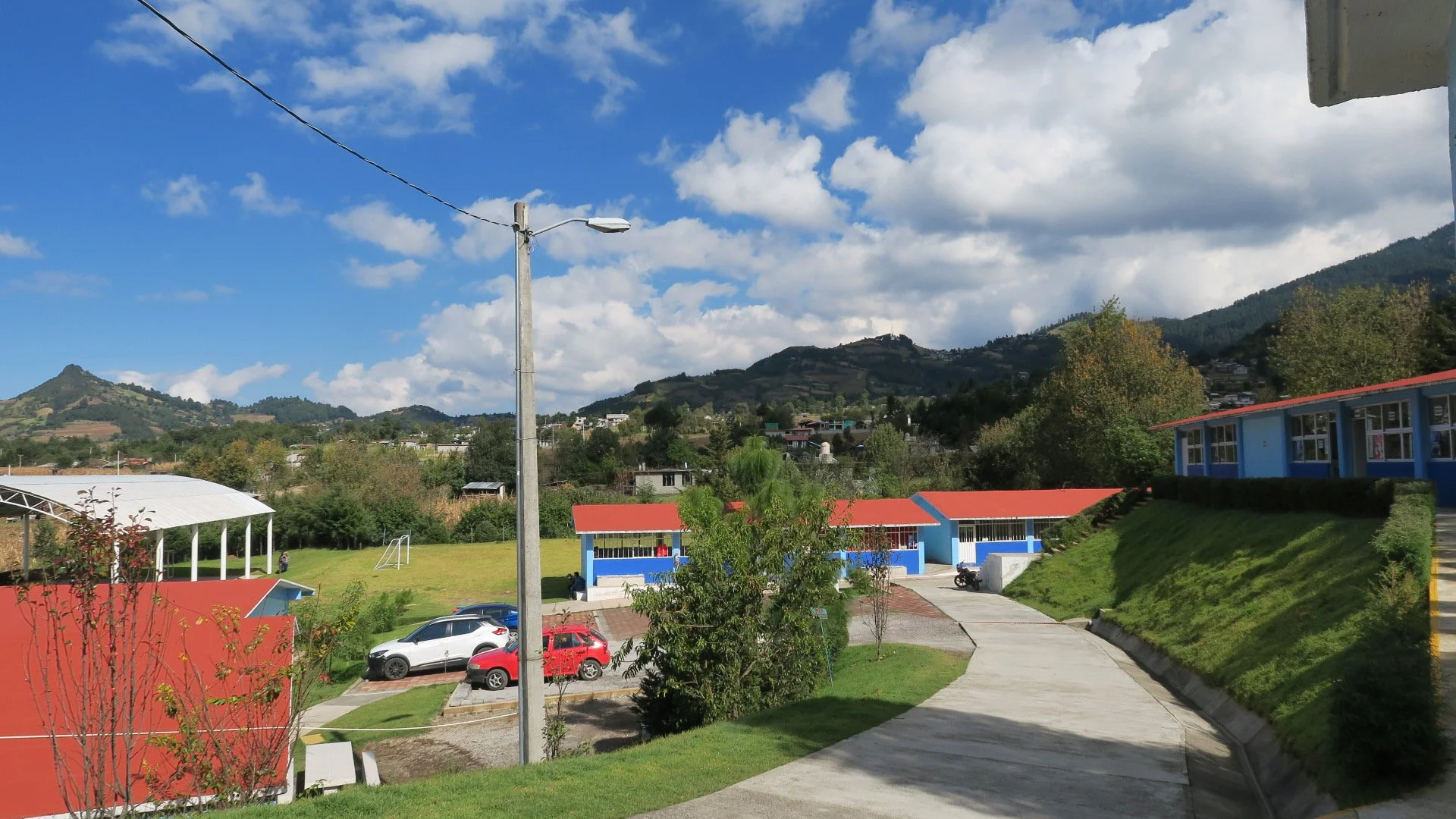
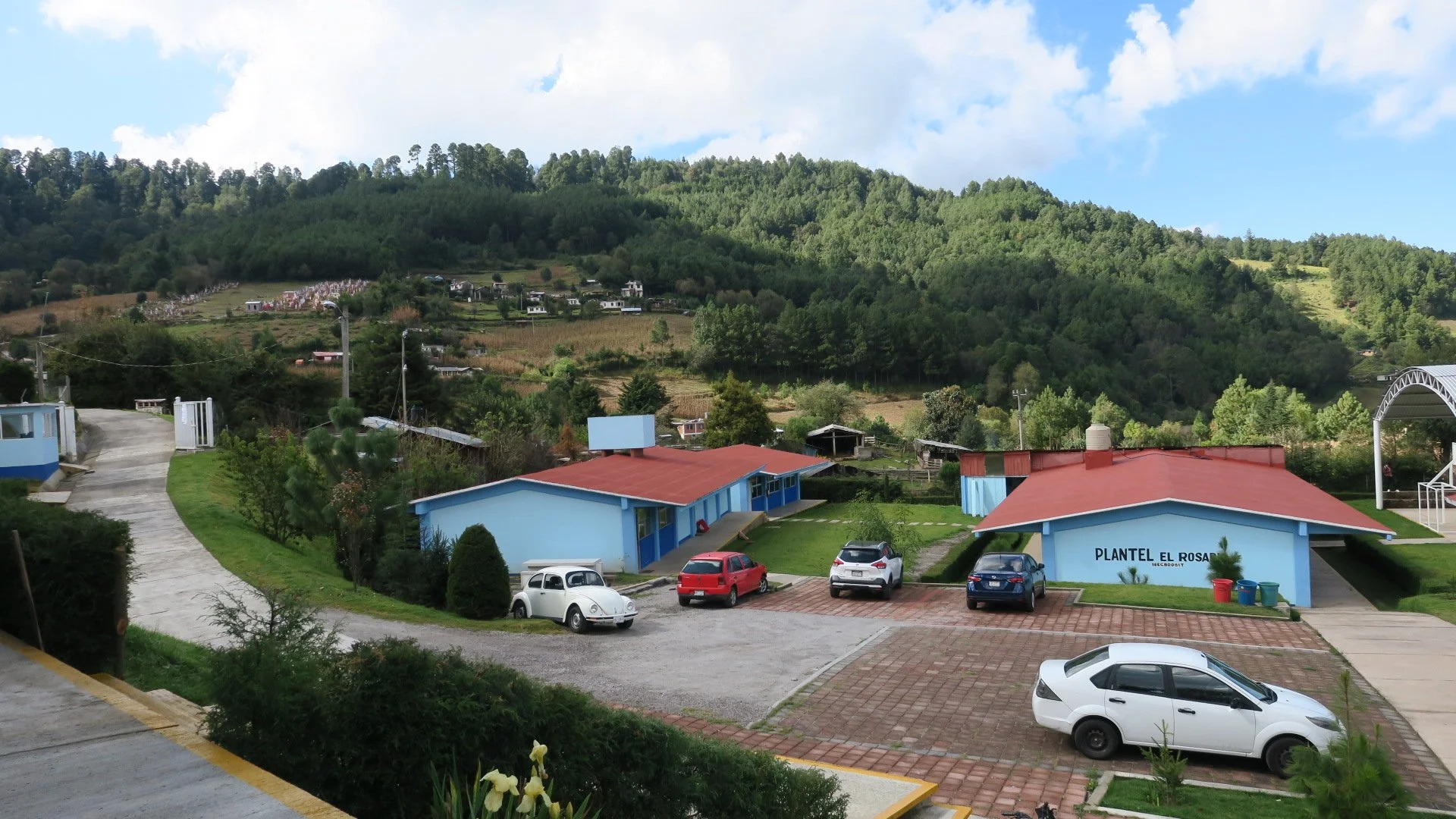
“El Rosario” High School
“El Rosario” Village
“El Rosario” Sanctuary
Coordinates: 19.5641366 -100.2791758
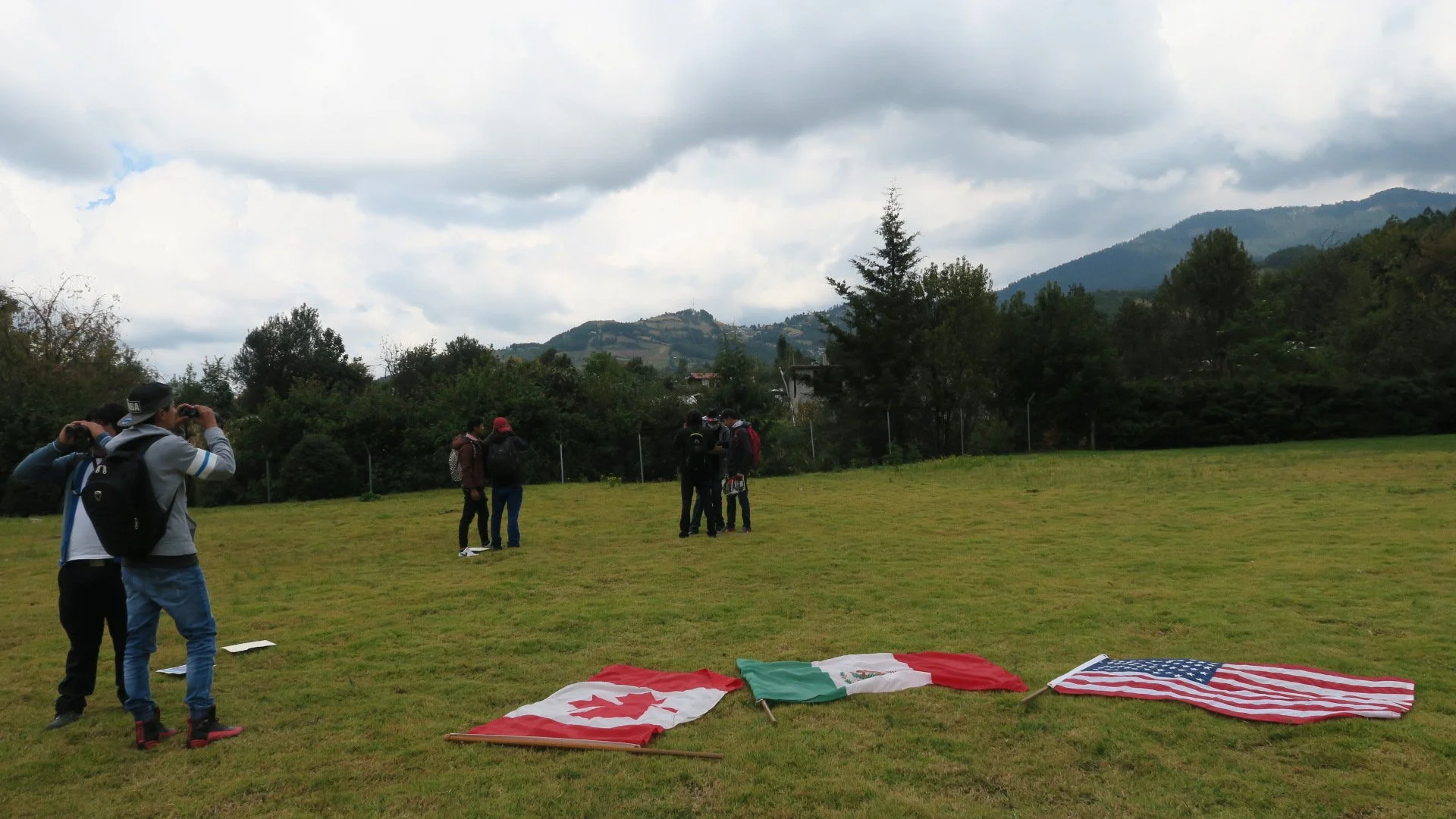
The Symbolic Migration is now close to covering all of the visits to schools in the large ejido of El Rosario, where the largest colony of monarchs hibernates every season. The majority of the schools in the whole region are located in this ejido due to its high population.
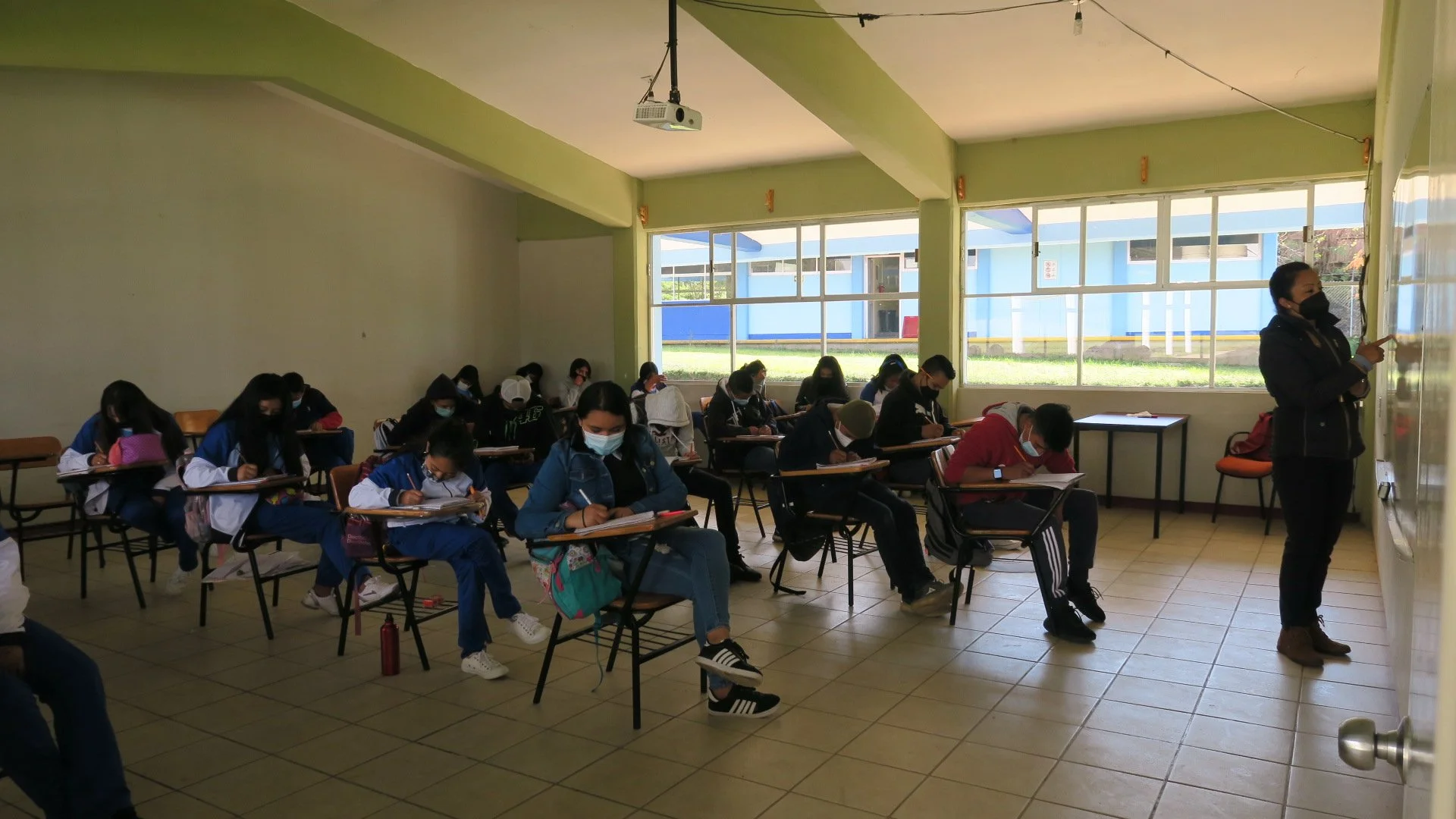
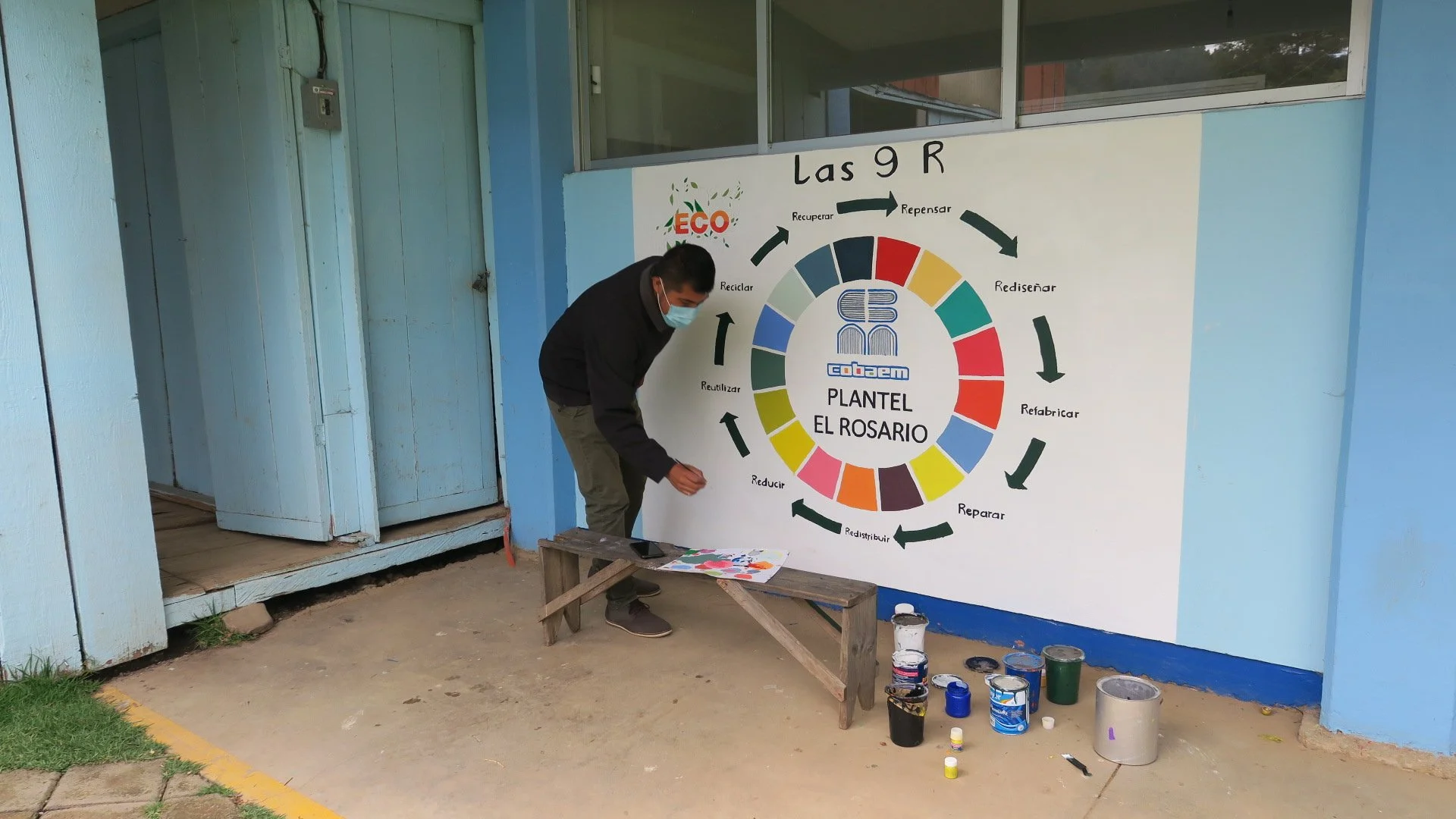
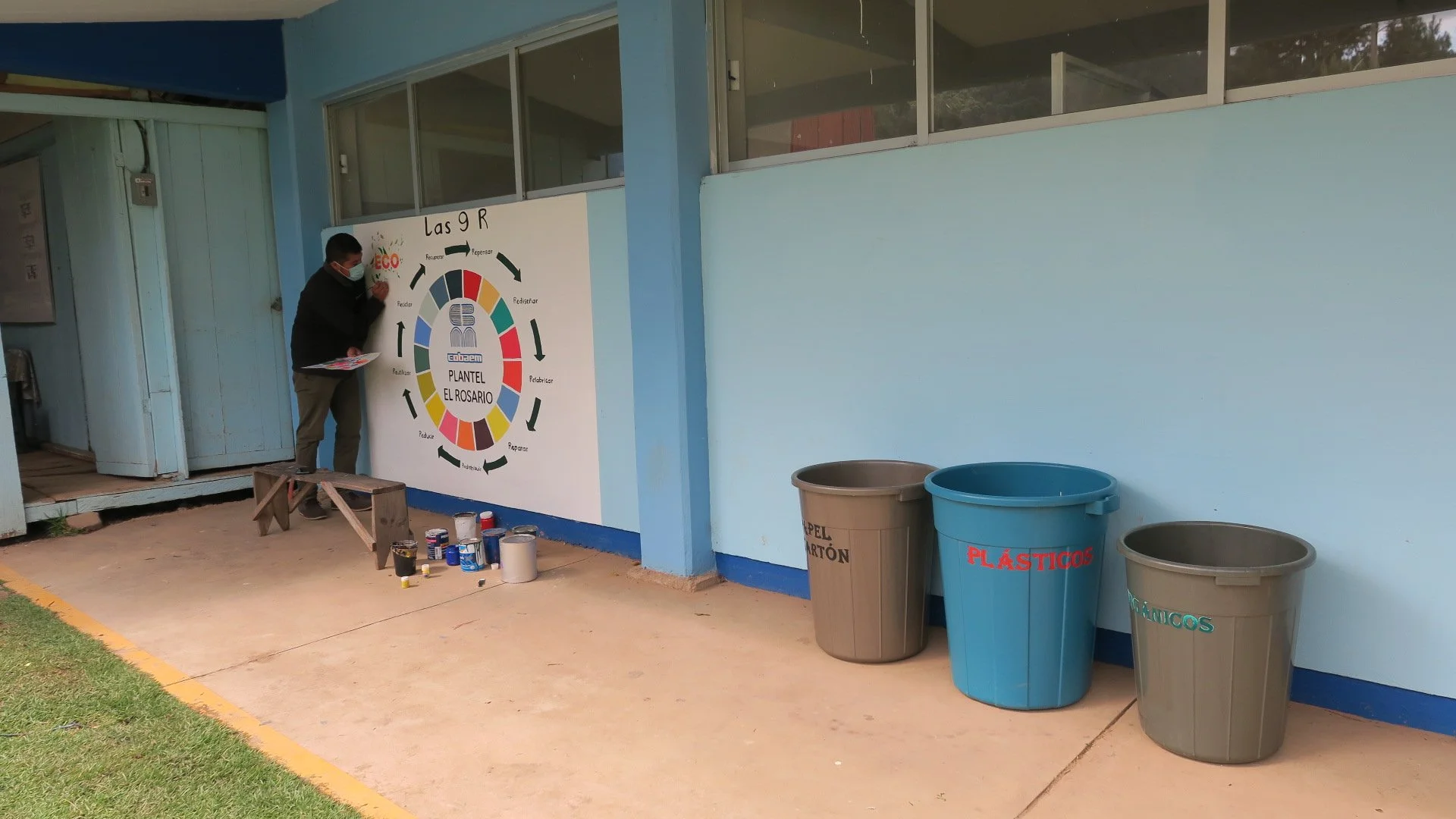
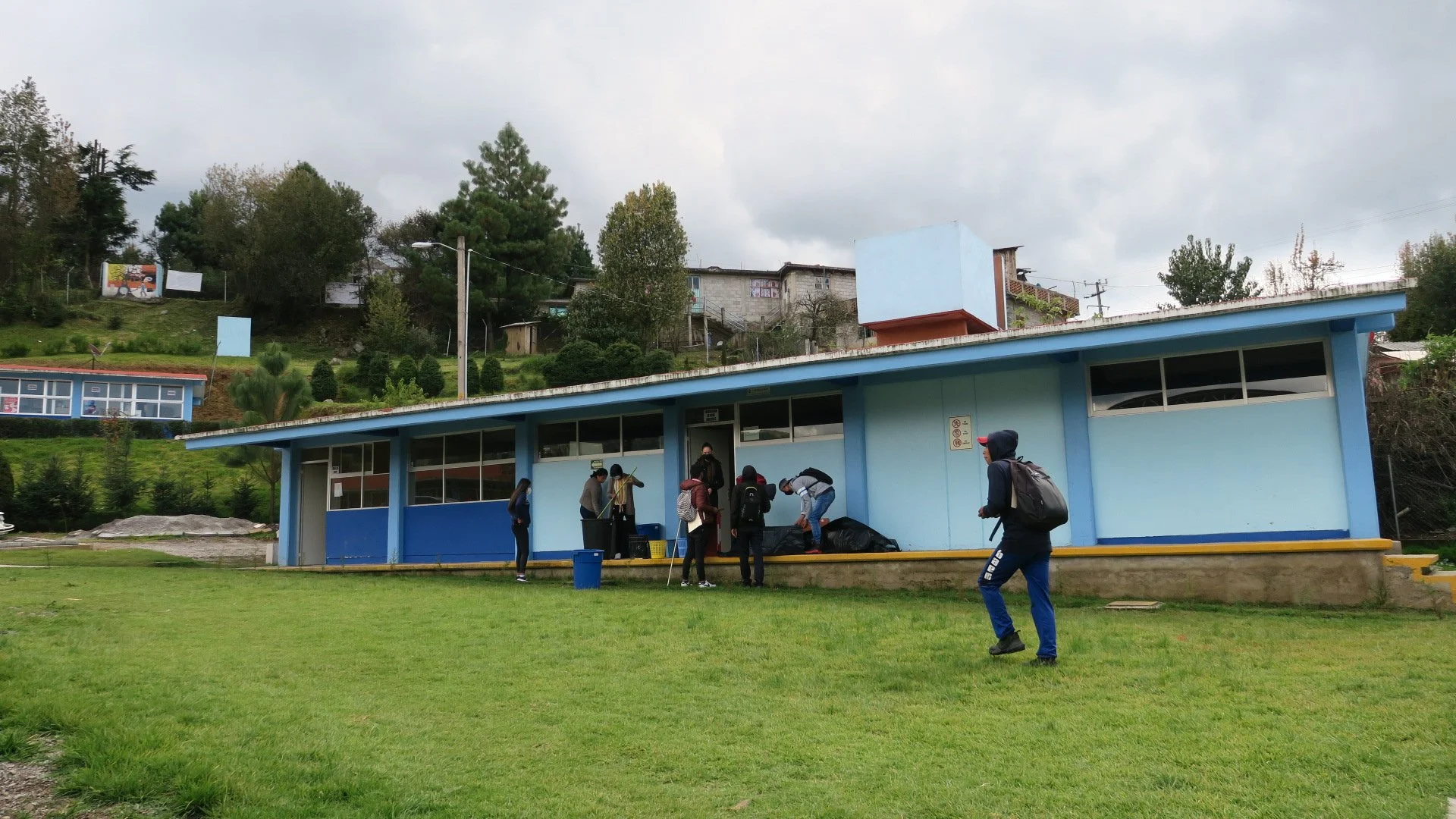
“El Rosario” High School is brand new. Its facilities, equipment, and teaching staff was determined as necessary by the state education authorities, due to the important development of the whole ejido and its villages. This development is a result of nearly three decades of full social and economic impact that the phenomenon of the monarch butterflies has brought to the area.
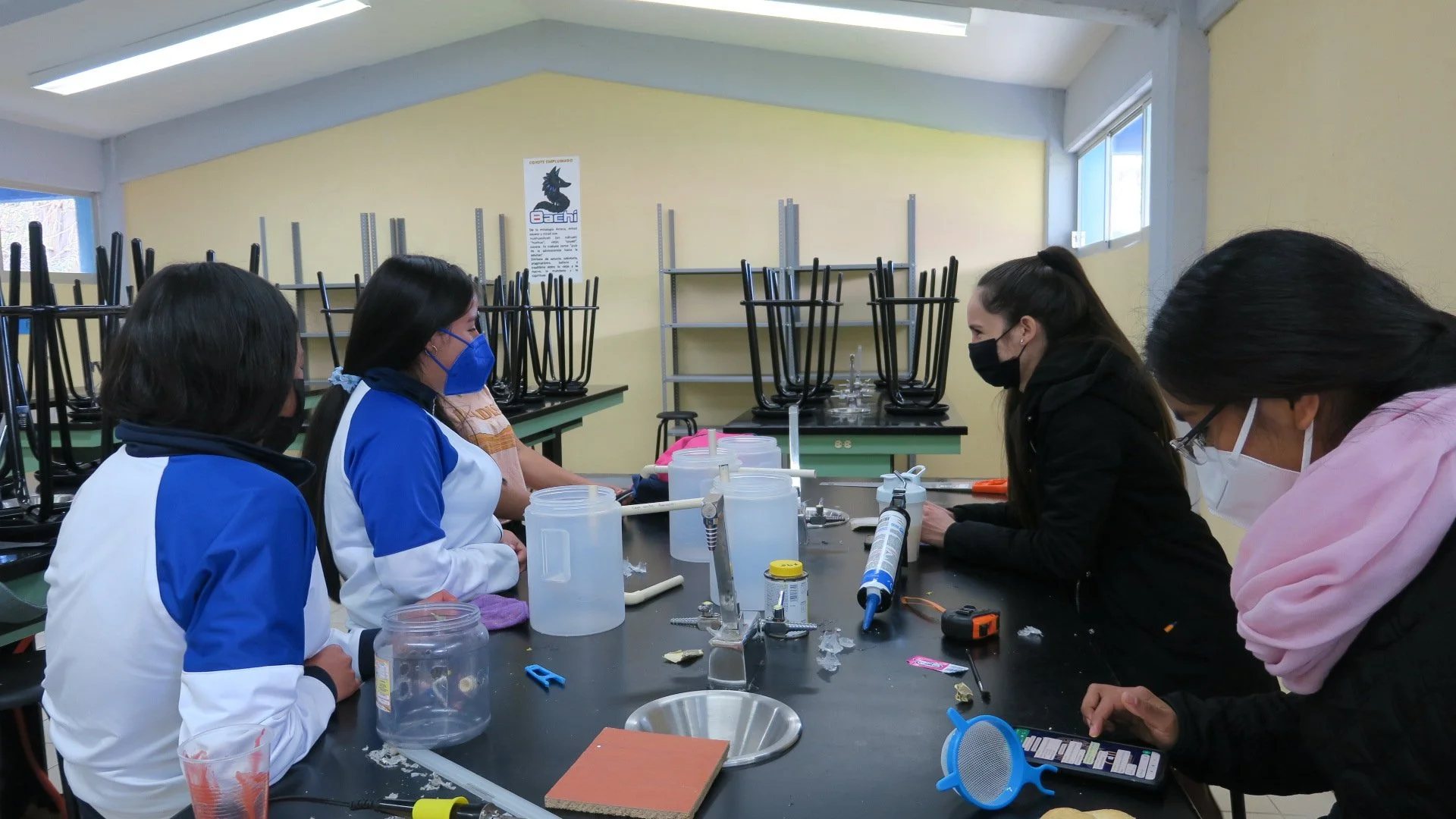
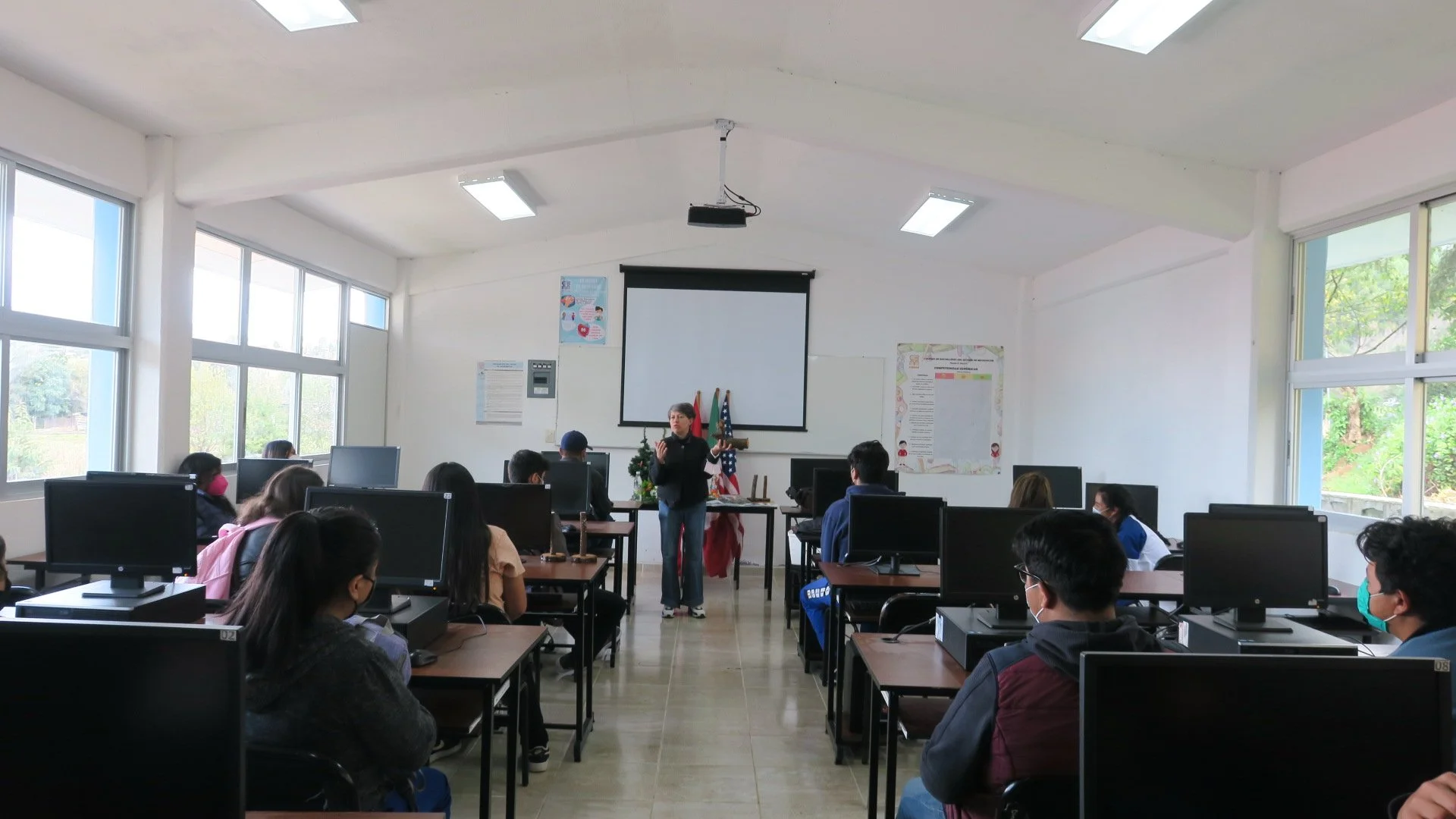
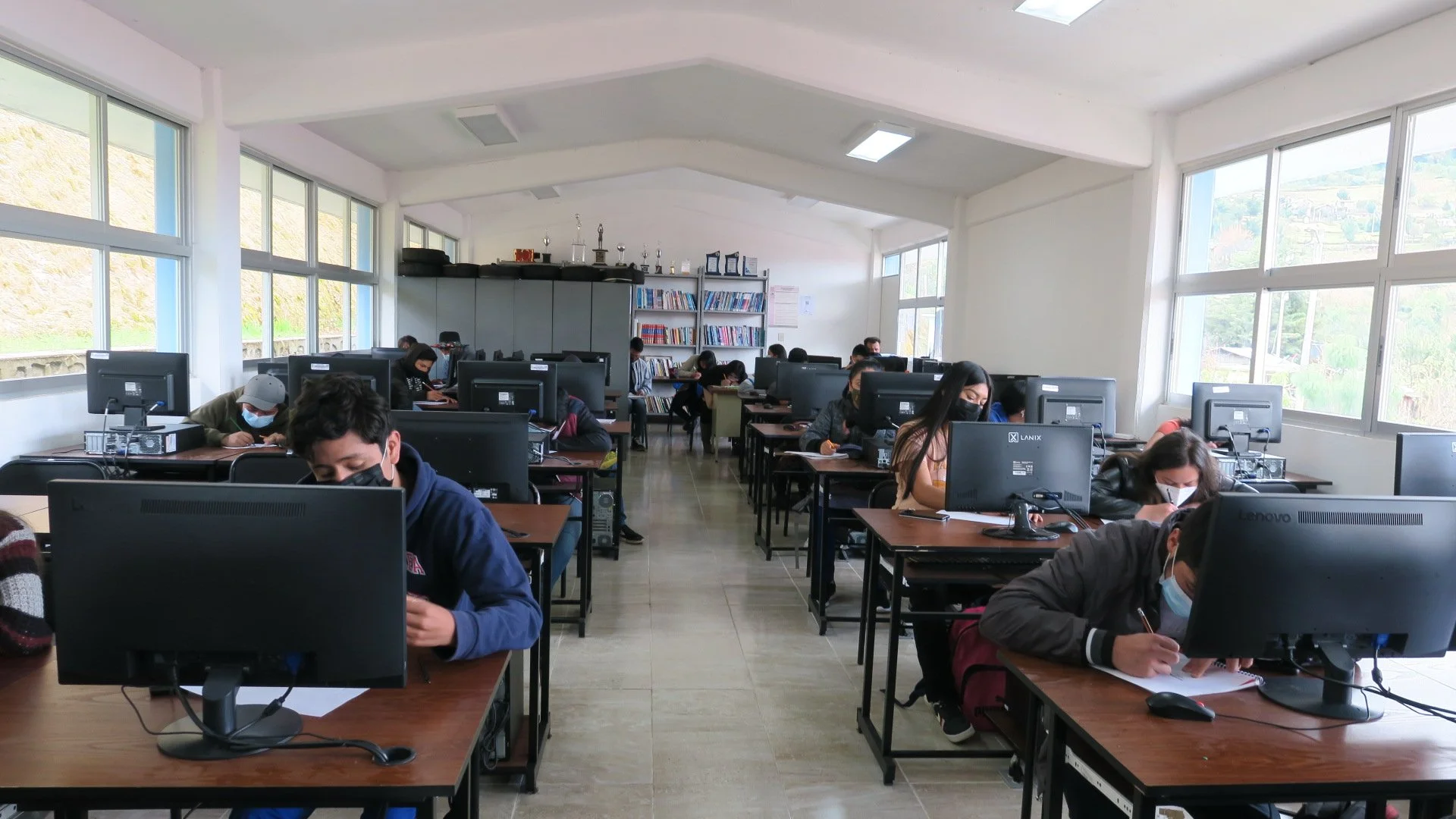
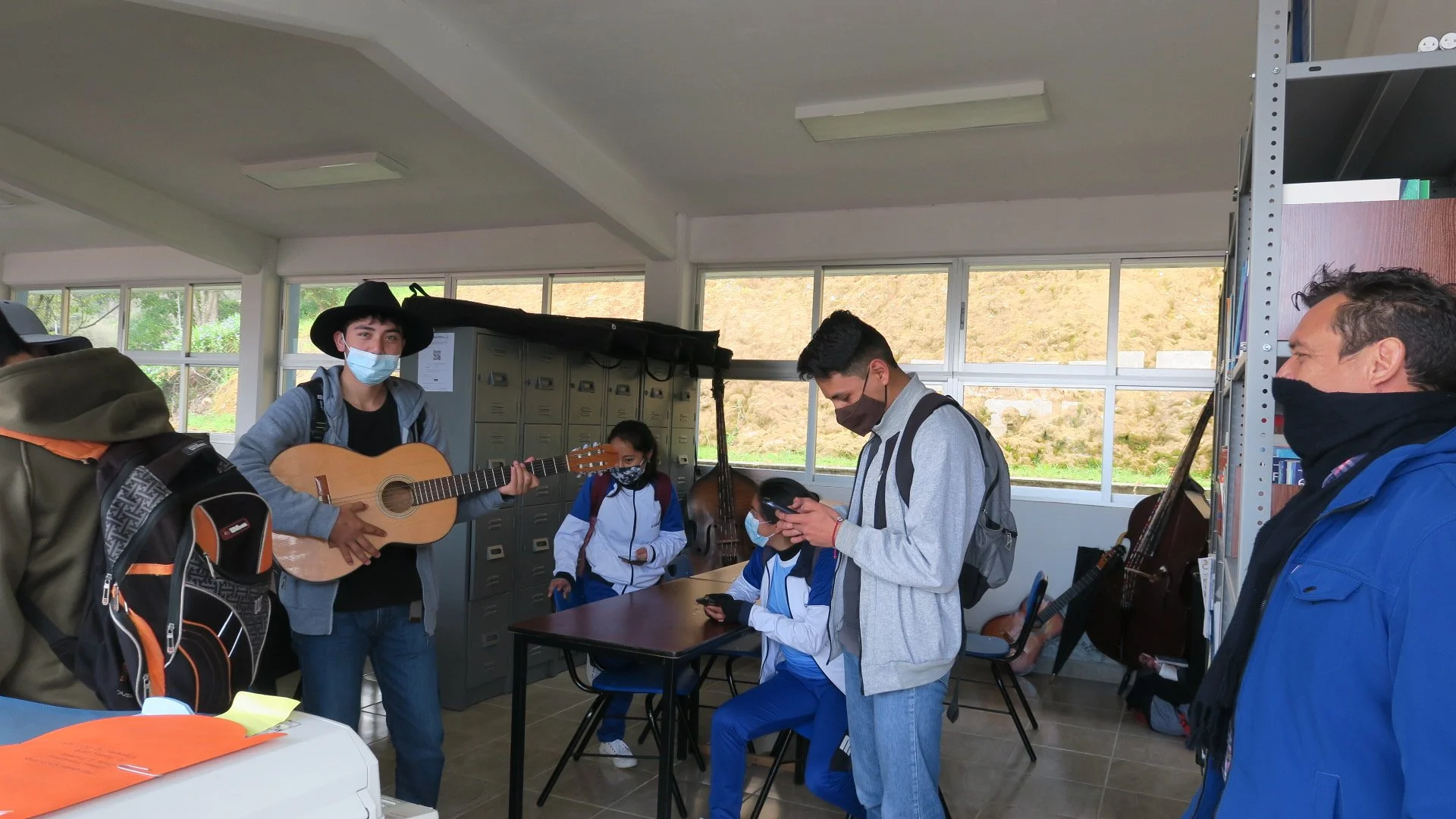
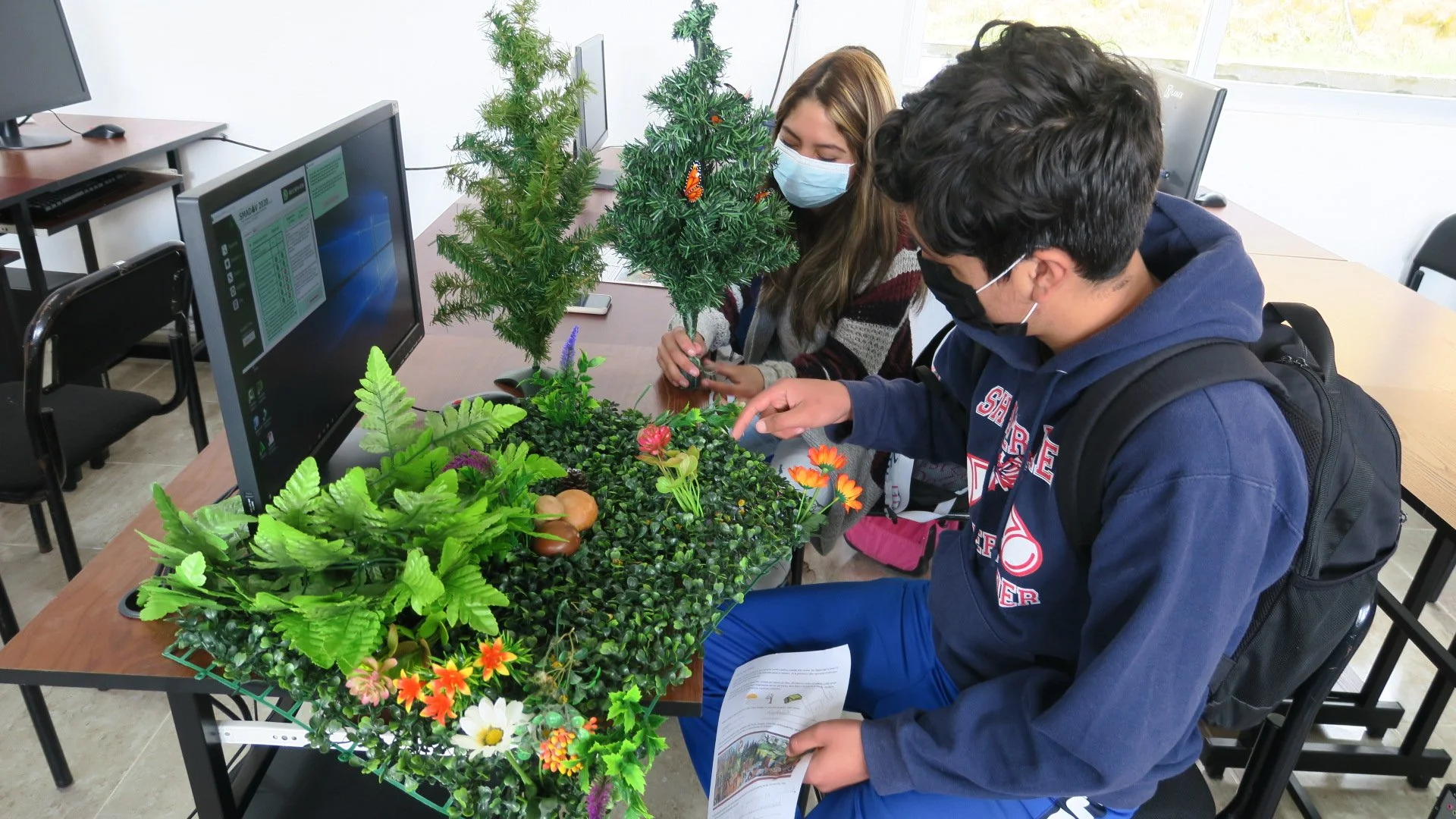
“Even though our classes are attended in the traditional way with their teacher in front at the board and we, students, taking notes by hand, this school is the first and only one in the whole monarch region to have a wi-fi connection, a computer room, a science room, and a music room too.”
…students themselves explained to Estela as they showed her around the facilities.
“For the first time in the region, we can see a real intent to provide a more integral education for new generations facing a thoroughly new world than that of their Ejidatario parents and grandparents.”
…teachers, who either do a 1.5 hr. drive from our nearest city or stay at the community living with a local family from Monday through Thursday, said proudly.
“Such a technical-scientific-focused school shall put the monarch migration phenomenon under a very important context regarding local efforts on conservation.”
…teachers added.
“Monarchs are a sign that our forests are healthy. How many plant and animal species are threatened and how many have disappeared already? We have two of the largest Oyamel fir forest in the world. They are like a large and thick sponge holding huge amounts of humidity and water. How much water are they really managing to store after this past summer when we had such a wonderful raining season, one not seen for years in our region?”
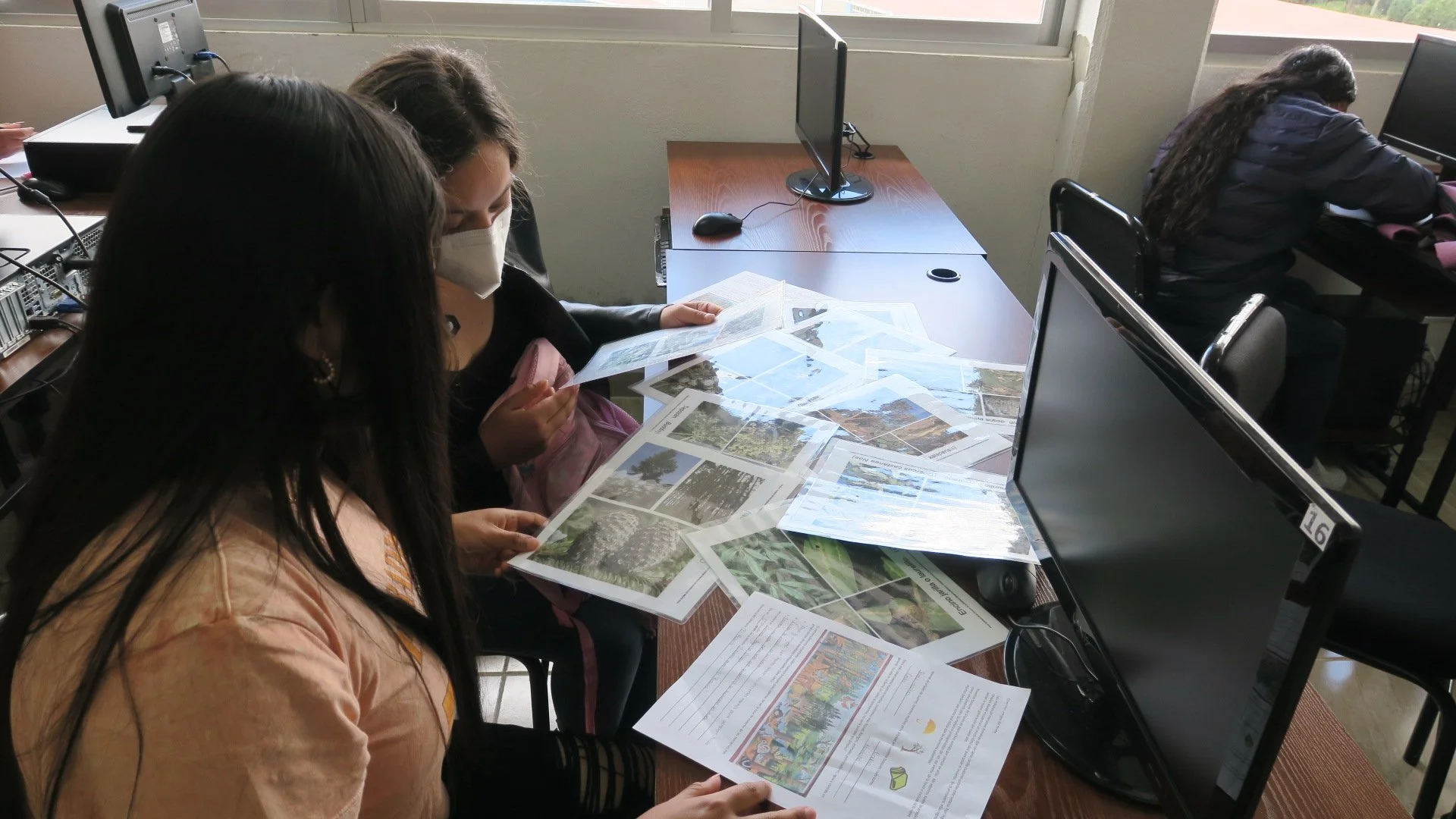
Estela opened these questions at different moments during the class for students to debate, awakening real interest about this and several more aspects on local conservation.
“One of the main concerns our parents and grandparents talk about at home, is the challenges they face on reforestation. They plant hundreds of Oyamel, Pine and Cedar trees every summer. These are the most common trees species in our forests. But a very small percentage of those planted actually manage to survive. They wonder whether this could affect monarchs in the long term if the global warming effect is not reverted.”
…a student commented, while many others agreed having heard this concern in their families too.
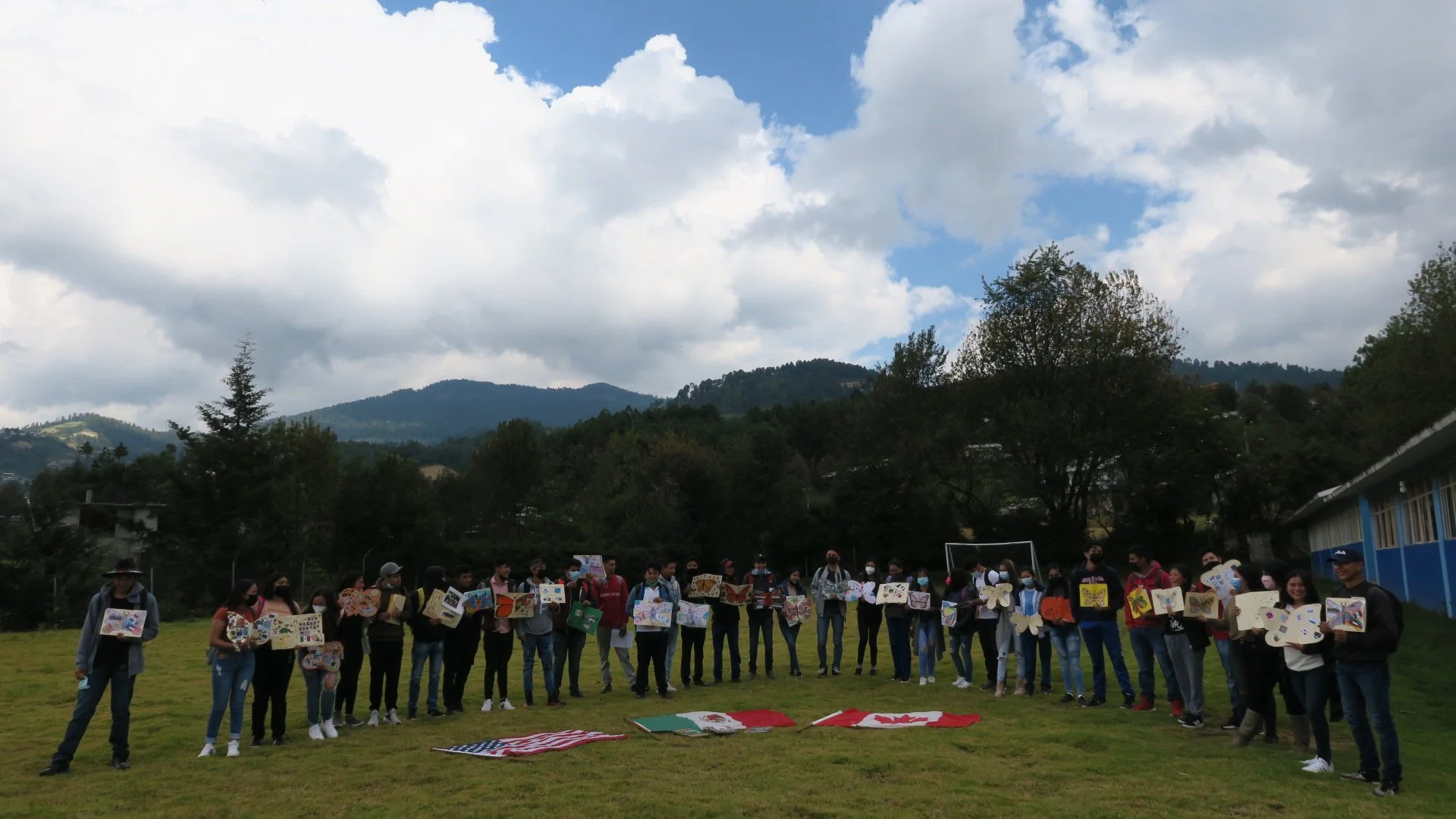
*Teachers and students at this school showed a high interest in a school from the United States or Canada wishing to establish an academic exchange on conservation and habitat restoration efforts.
***
Less than half of our local students at the villages located at the surrounding of monarchs sanctuaries manage to attend high school. This is either because of the financial limitations of the family, or because students themselves prefer to look for a job and earn some money earlier in their lives.
ALL of our schools from kindergarten to high school level around the Monarch Butterfly Biosphere Reserve are PUBLIC schools. This means that they are financed by the State or the Federal governments. This includes the facility construction, maintenance costs, and the administrative and teacher staff’s salaries and benefits.
Parents pay no admission or tuition fees during the time their children attend public education.
Public and free education continues to University level in México which is available mostly in large cities. Every capital city in each state throughout the country has its own State University without exception. Each is highly recognized for its academic quality.
Private education up to university level is common and has considerable demand in larger towns and cities; however, only a percentage of them are recognized for their academic excellence.
AMBASSADOR MONARCHS DELIVERED HERE
Catskill Elementary School, Catskill, New York
Central Elementary, Edgewater, Maryland
Central Elementary, Edgewater, Maryland
Stormonth Elementary School, Fox Point, Wisconsin
Hutchison School, Memphis, Tennessee
Hutchison chool, Memphis, Tennessee
Harting-Josue Family, Naperville, Illinois
Hutchison School, Memphis, Tennessee
Johnnycake Corners Elementary, Galena, Ohio
Ben Hill Elementary School, Fitzgerald, Georgia
Woodfill Elementary, Fort Thomas, Kentucky
Woodfill Elementary, Fort Thomas, Kentucky
Woodfill Elementary, Fort Thomas, Kentucky
Shallowford Falls Elementary School, Marietta, Georgia
Stateline Boys and Girls Club, South Beloit, Illinois
Wakeman Town Farm, Westport, Connecticut
Barbara Cockrell Elementary, Pearland, Texas
Woodhull School, Ocean Beach, New York
Trinity School, Ellicott City, Maryland
Far Hills Country Day School, Far Hills, New Jersey
Northpine Farm, Port Perry, Ontario
Hermosa Valley, Hermosa Beach, California
Lotspeich Seven Hills School, Cincinnati, Ohio
Lotspeich Seven HIlls School, Cincinnati, Ohio
Kent Place School, Summit, New Jersey
Citrus Cove Elementary, Boynton Beach, Florida
Citrus Cove Elementary, Boynton Beach, Florida
Citrus Cove Elementary, Boynton Beach, Florida
Hilltown Cooperative Charter Public School, Easthampton, Massachusetts
Citrus Cove Elementary, Boynton Beach, Florida
Citrus Cove Elementary, Boynton Beach, Florida
Hilltown Cooperative Charter Public School, Easthampton, Massachusetts
Mount Paran Christian School, Marietta, Georgia
Andrews Academy, O'Fallon, Missouri
Mount Paran Christian School, Marietta, Georgia