
Visiting carpenter families' children.
THE VISIT
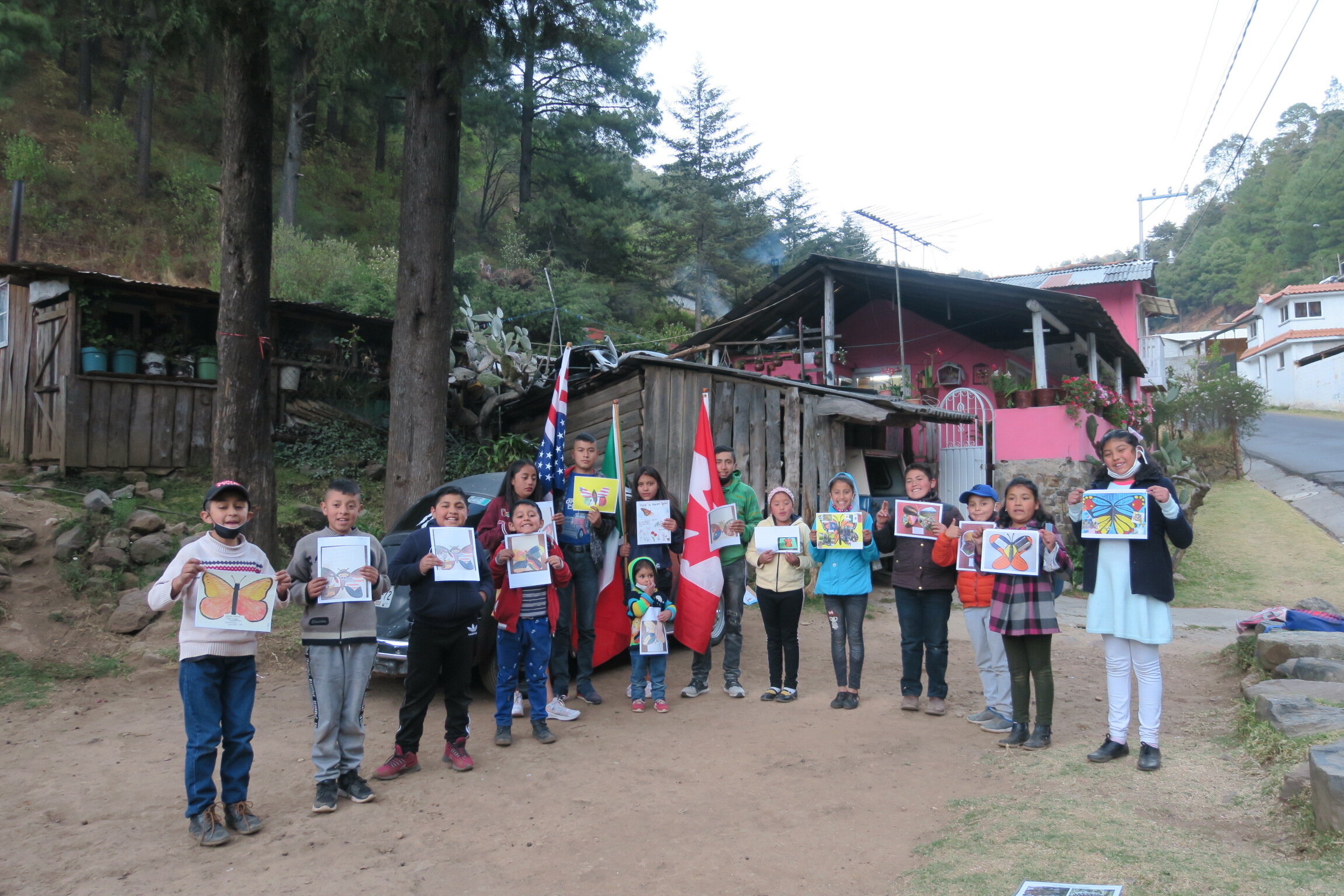
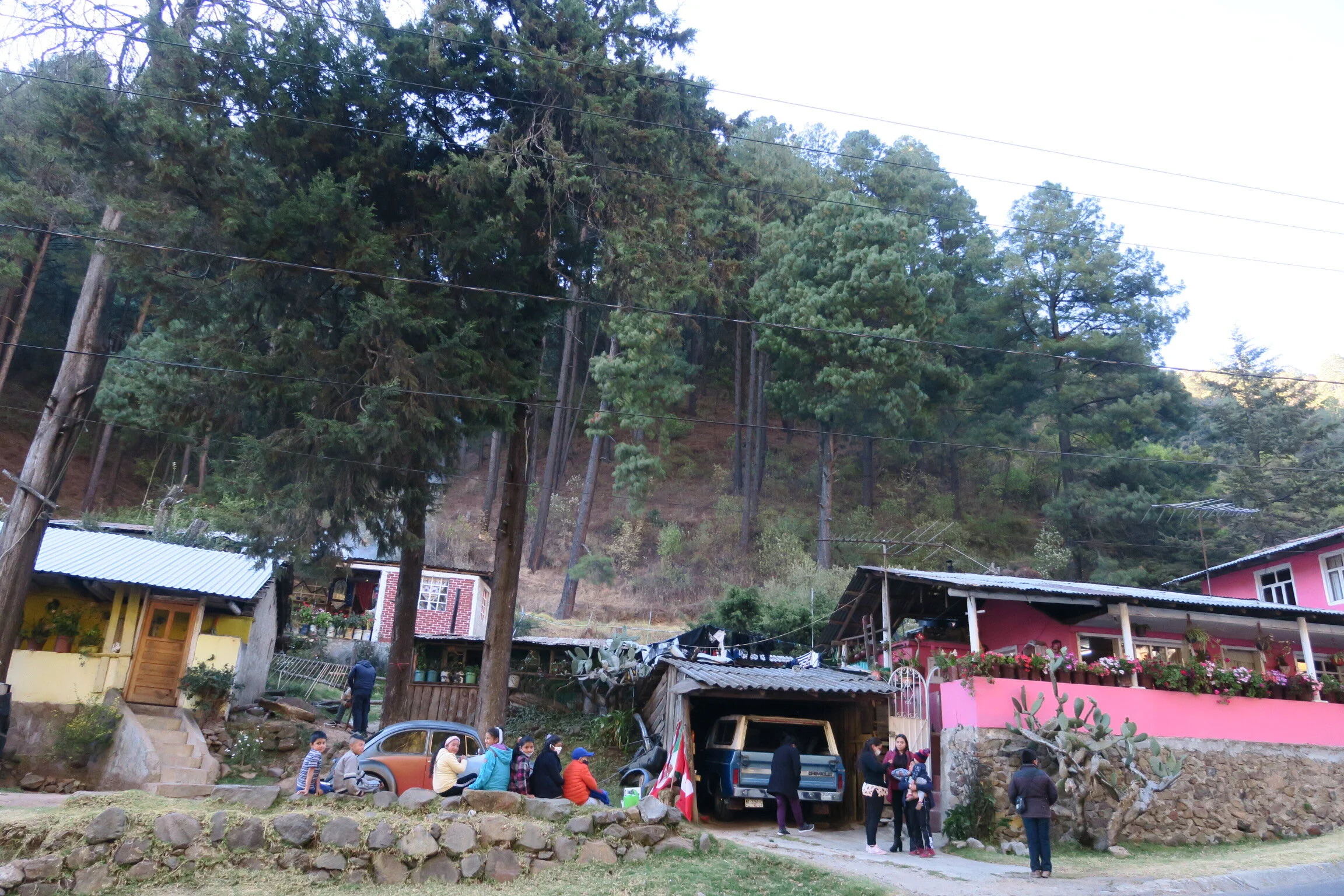
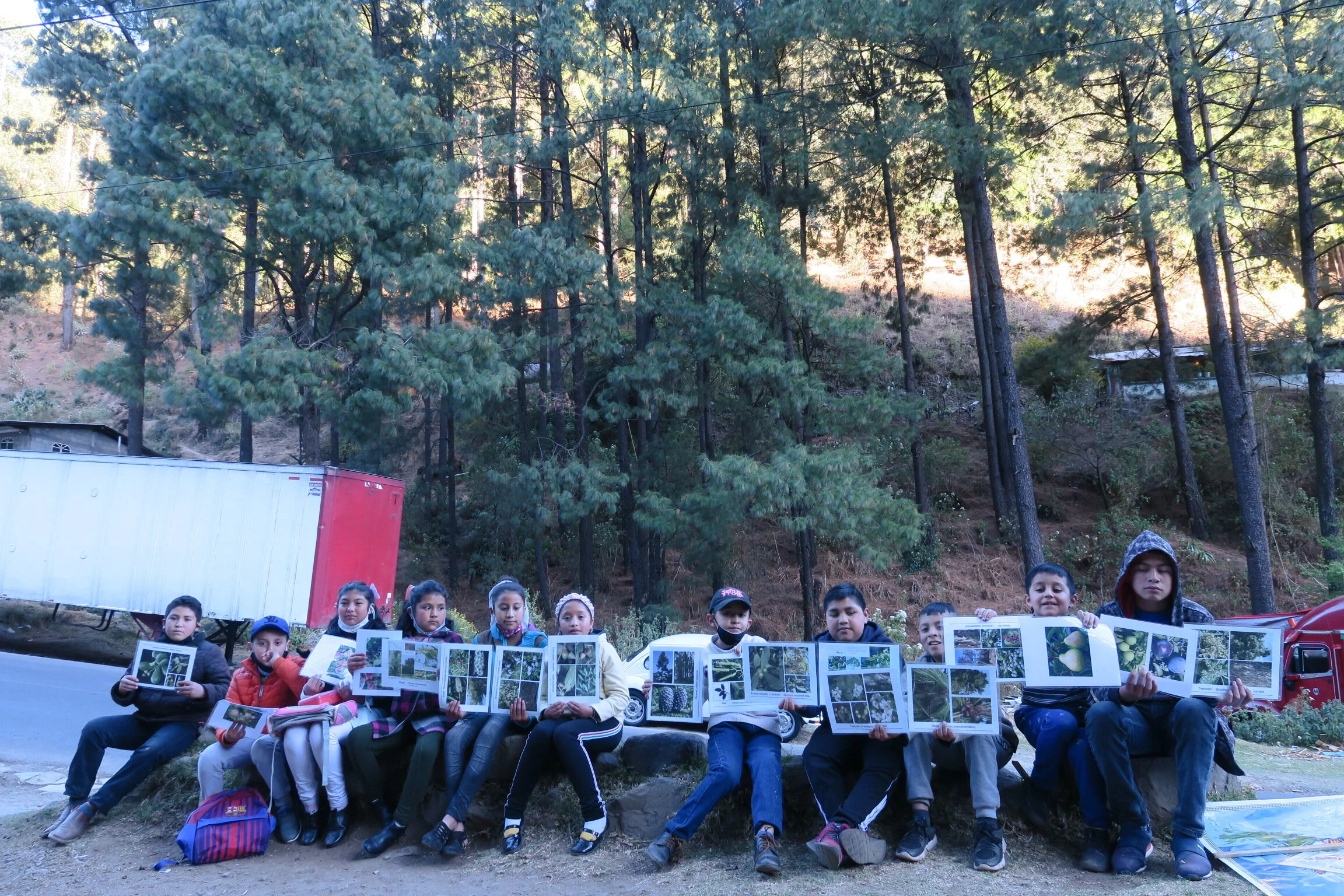
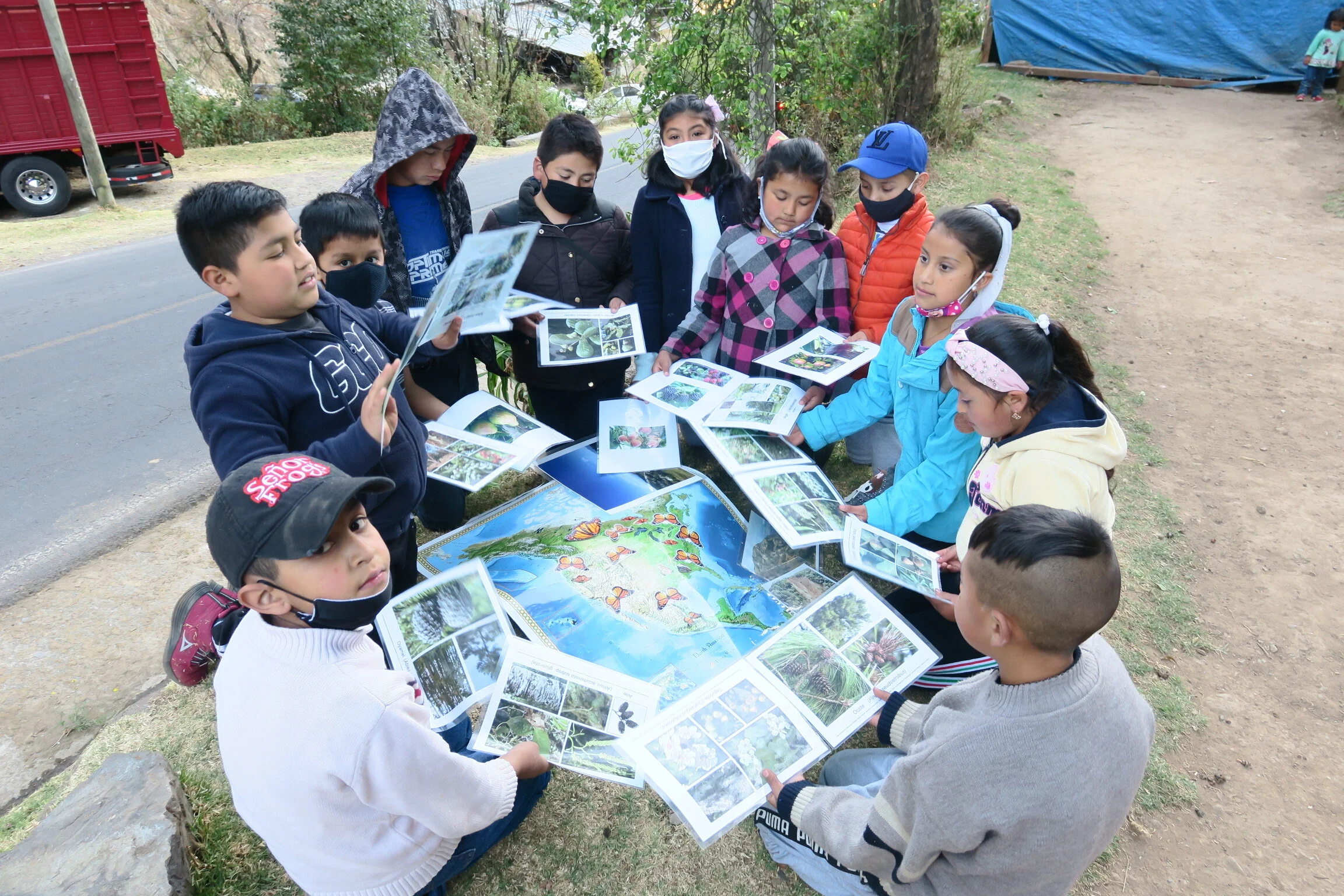
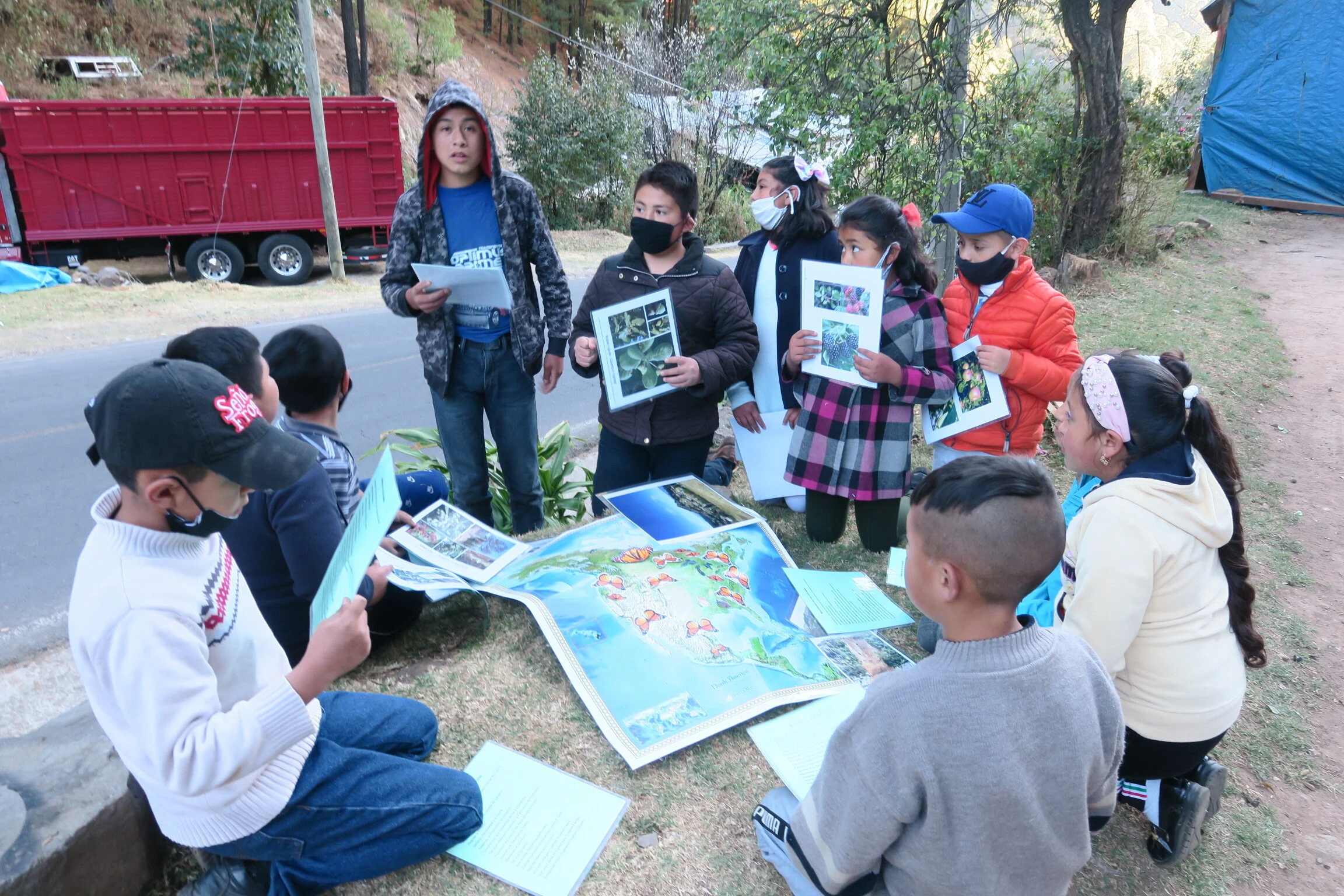
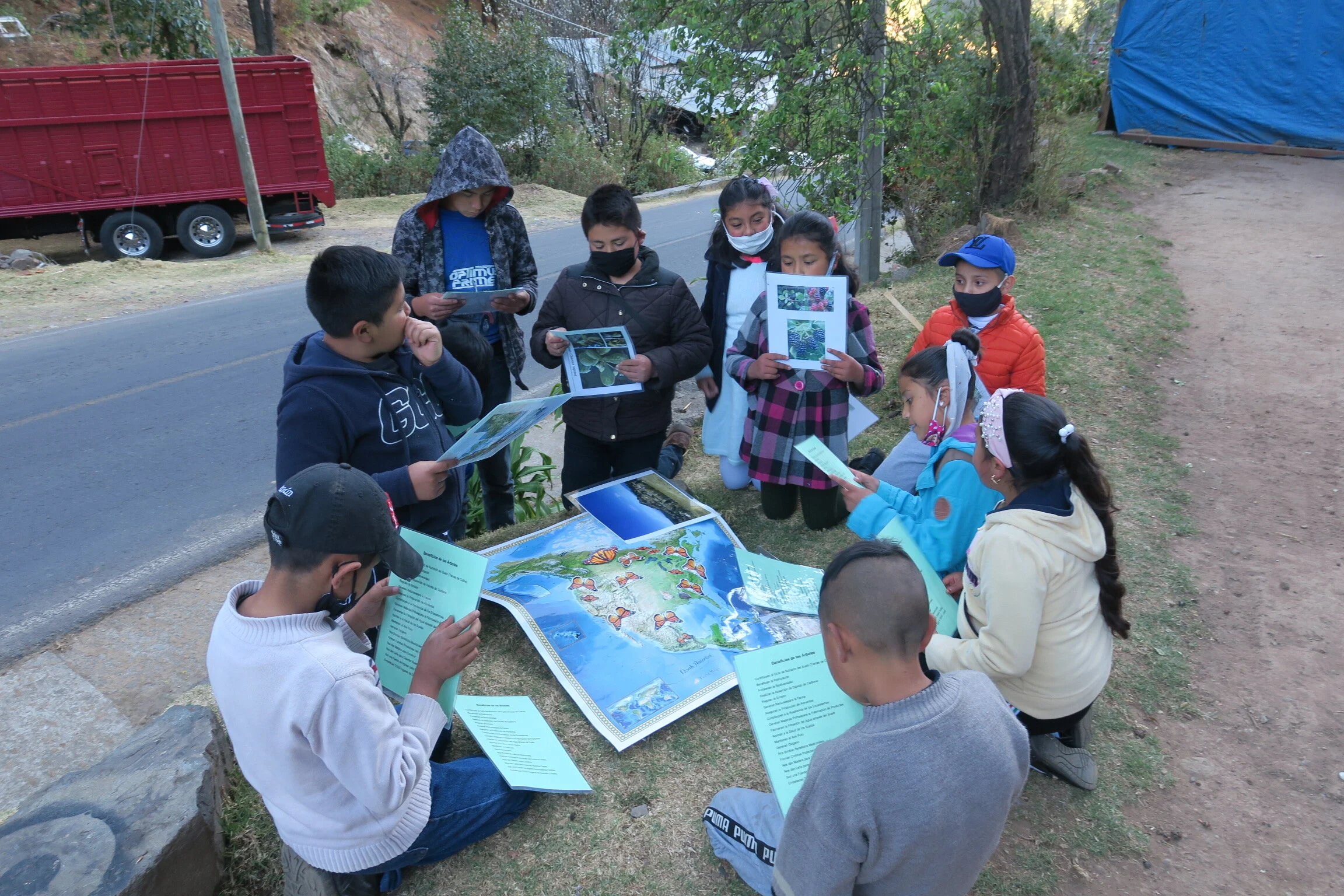
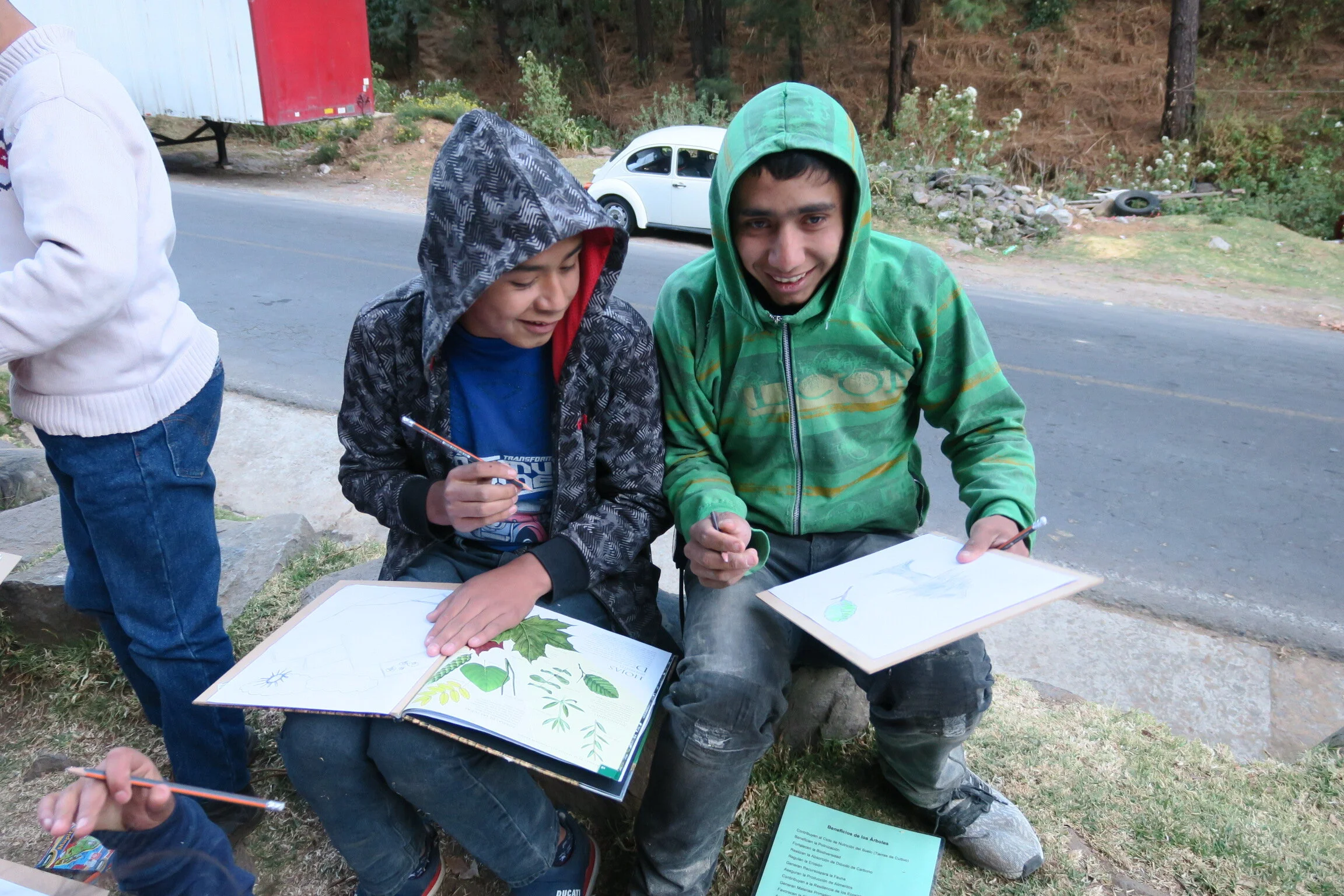
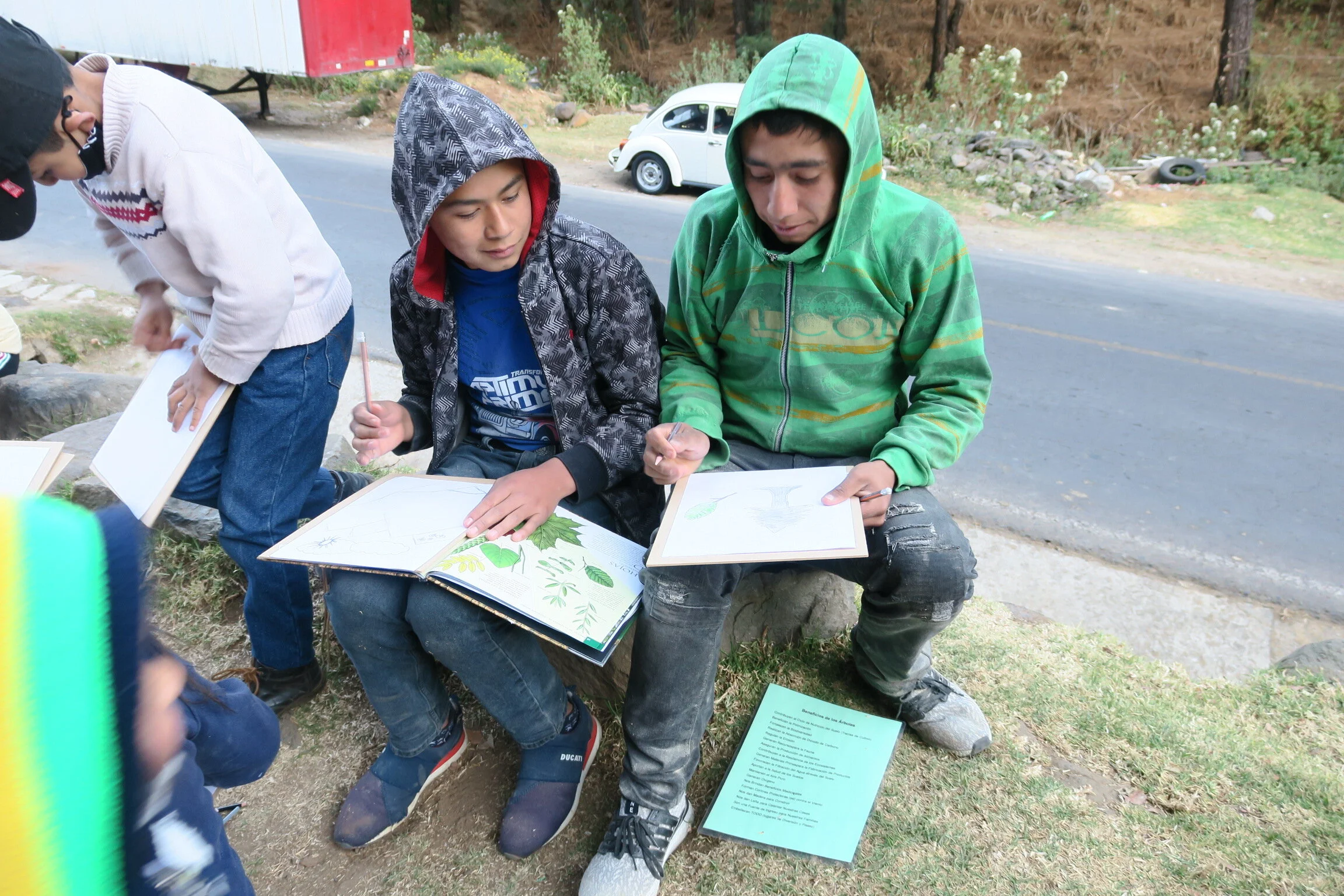
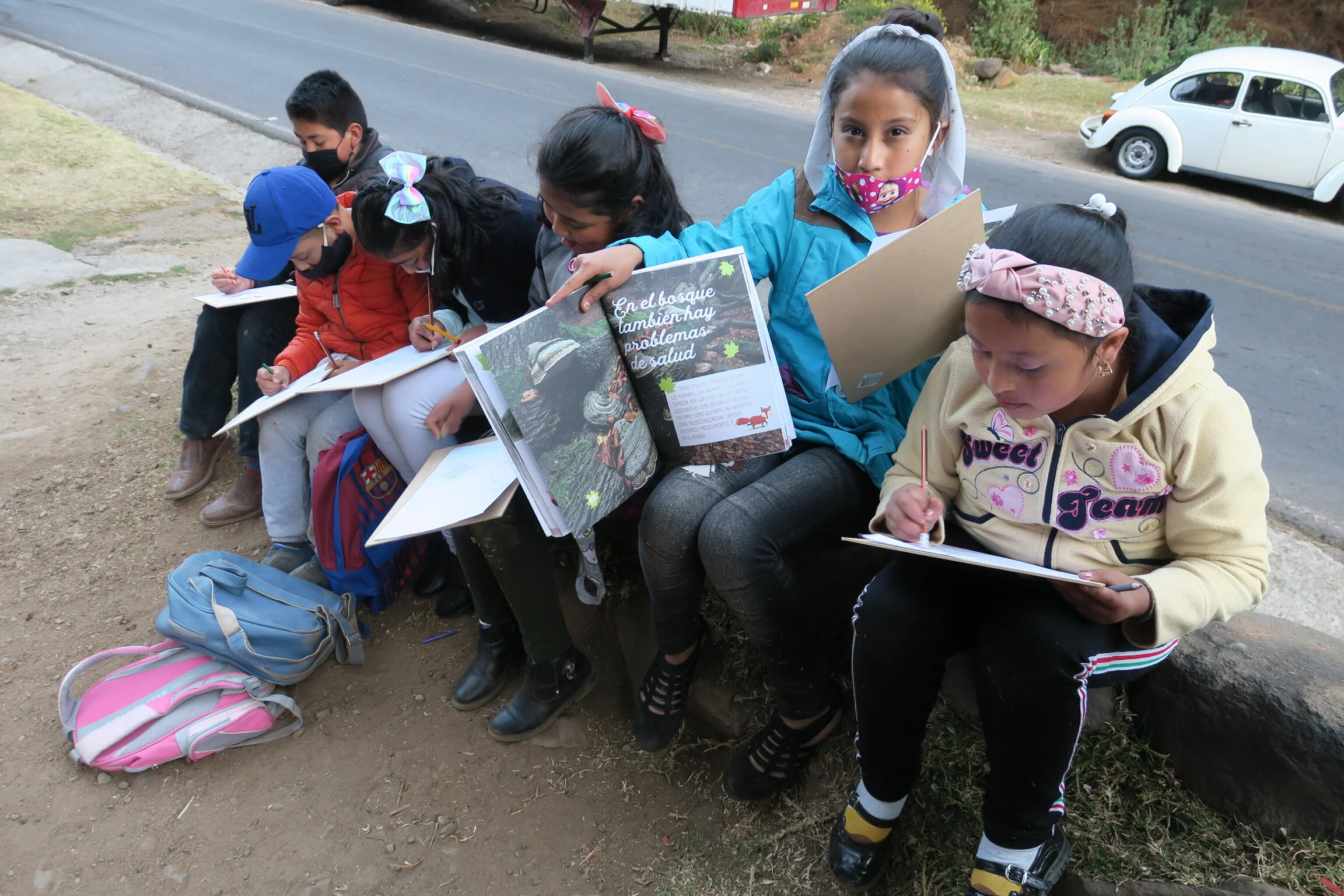
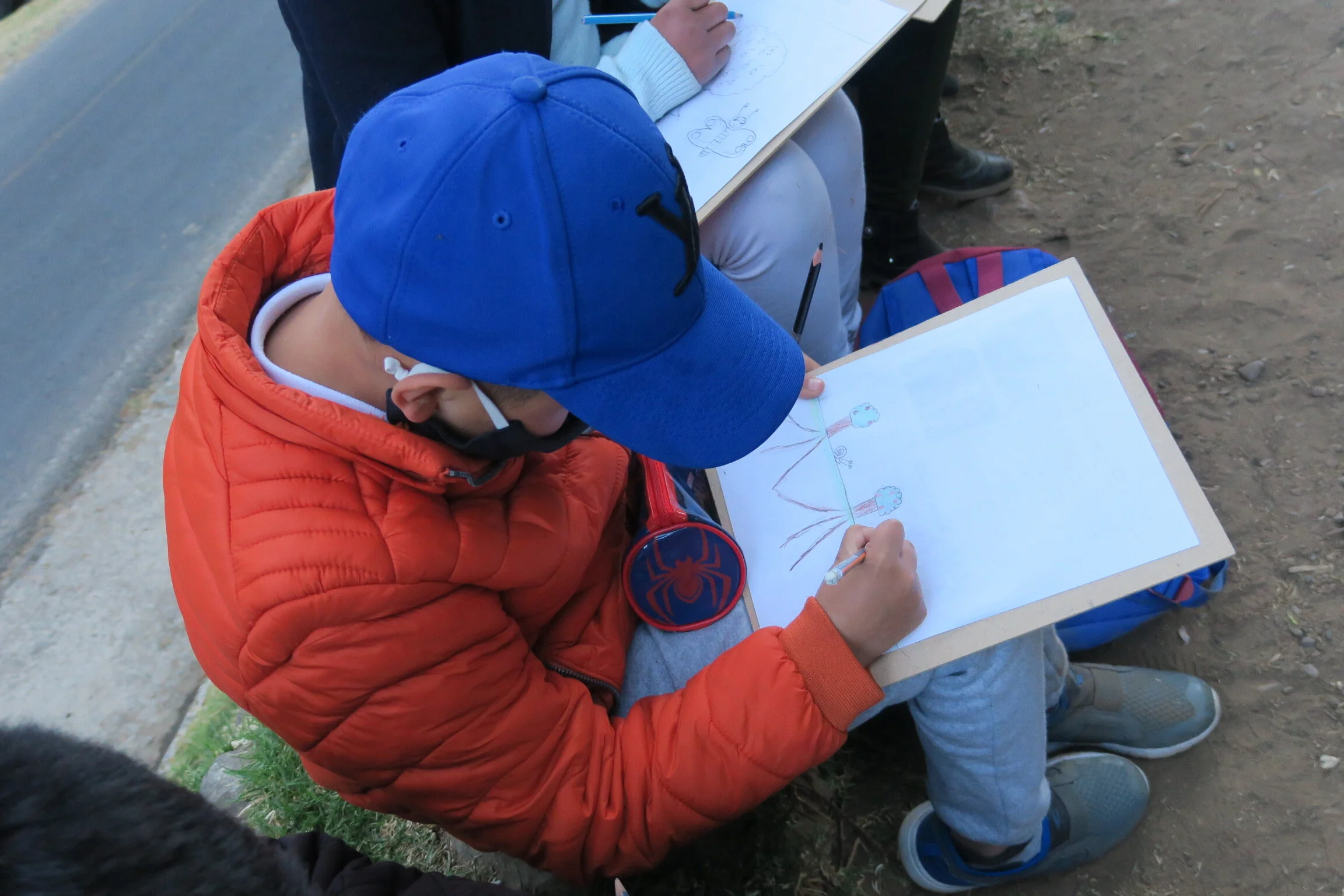
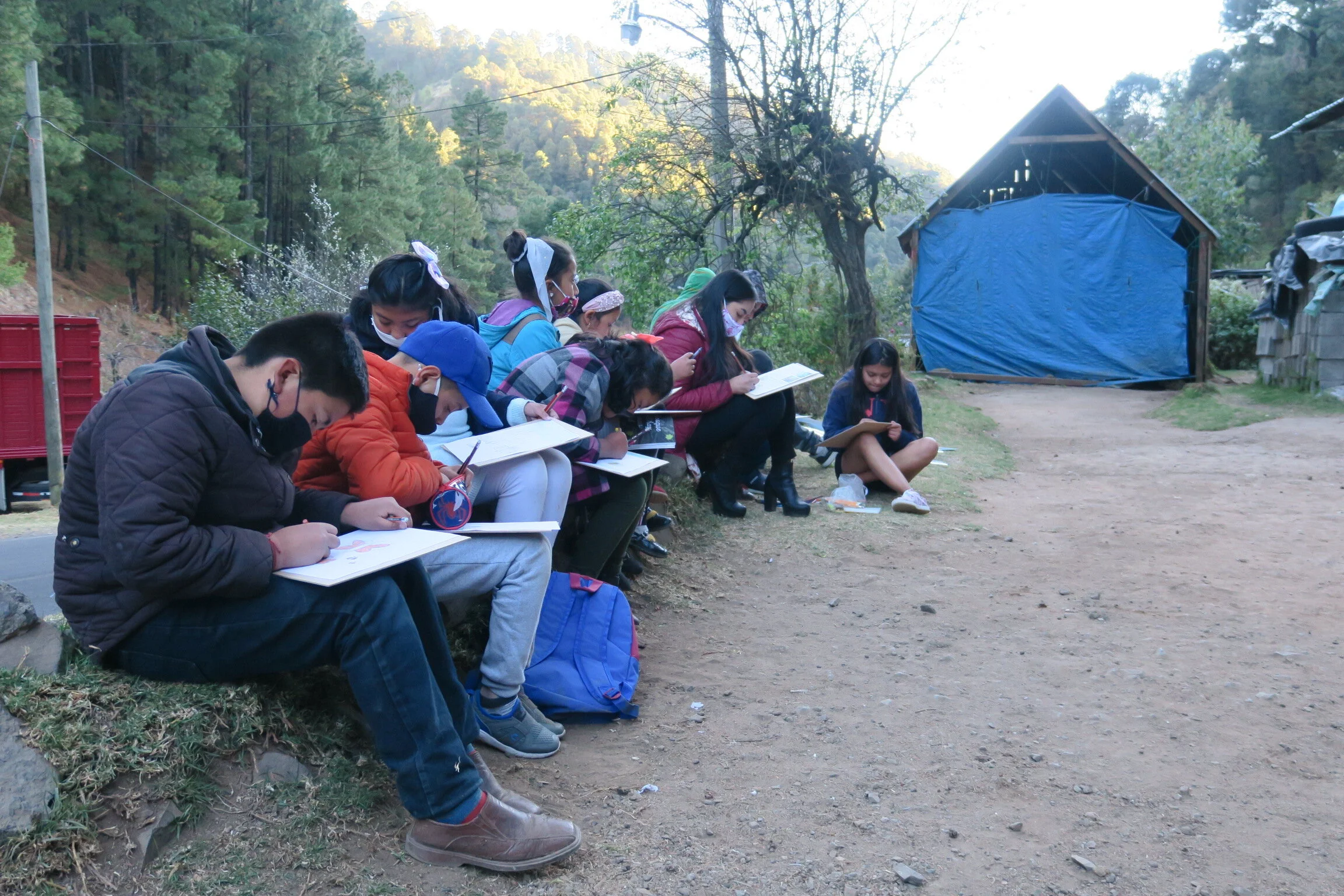
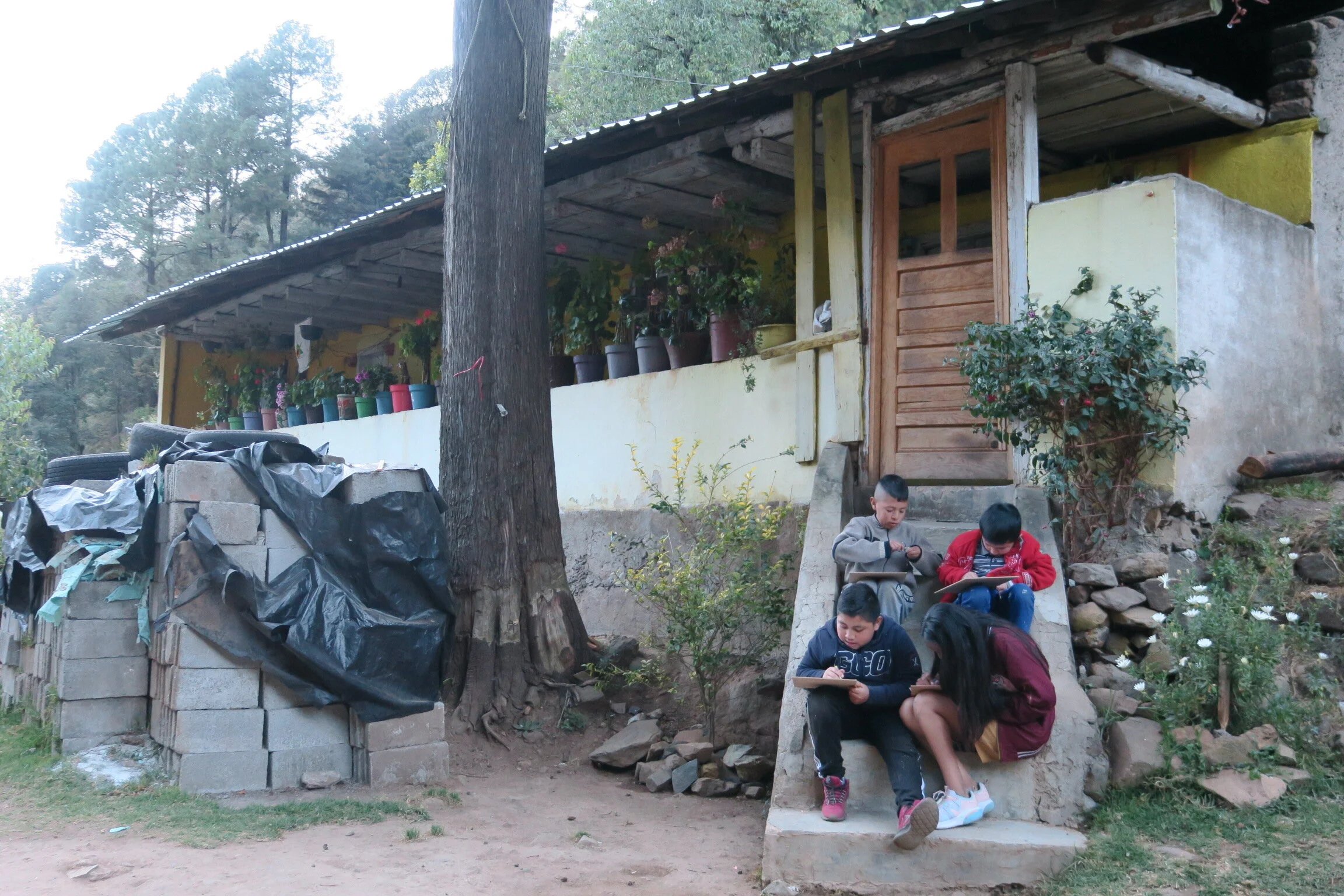
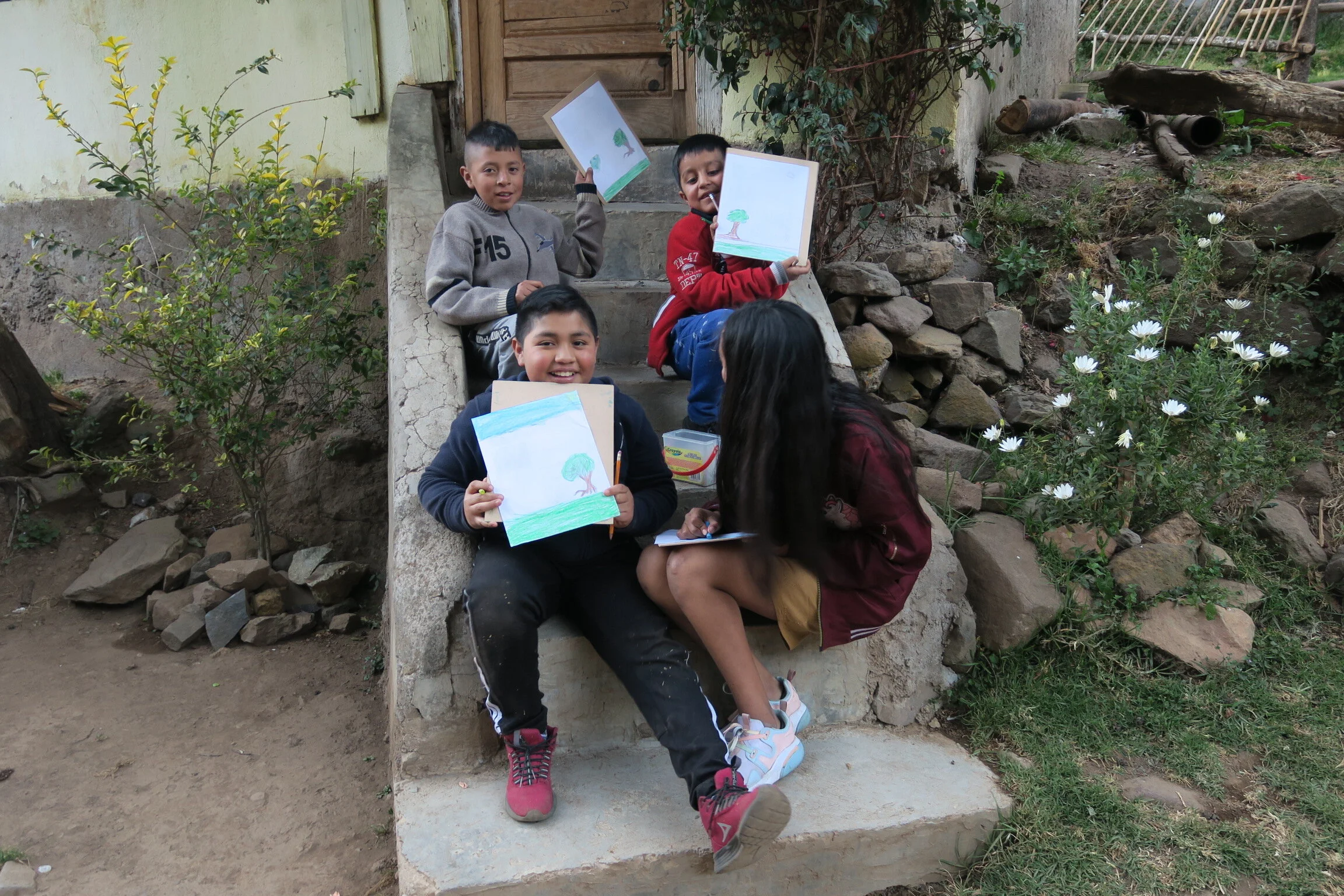
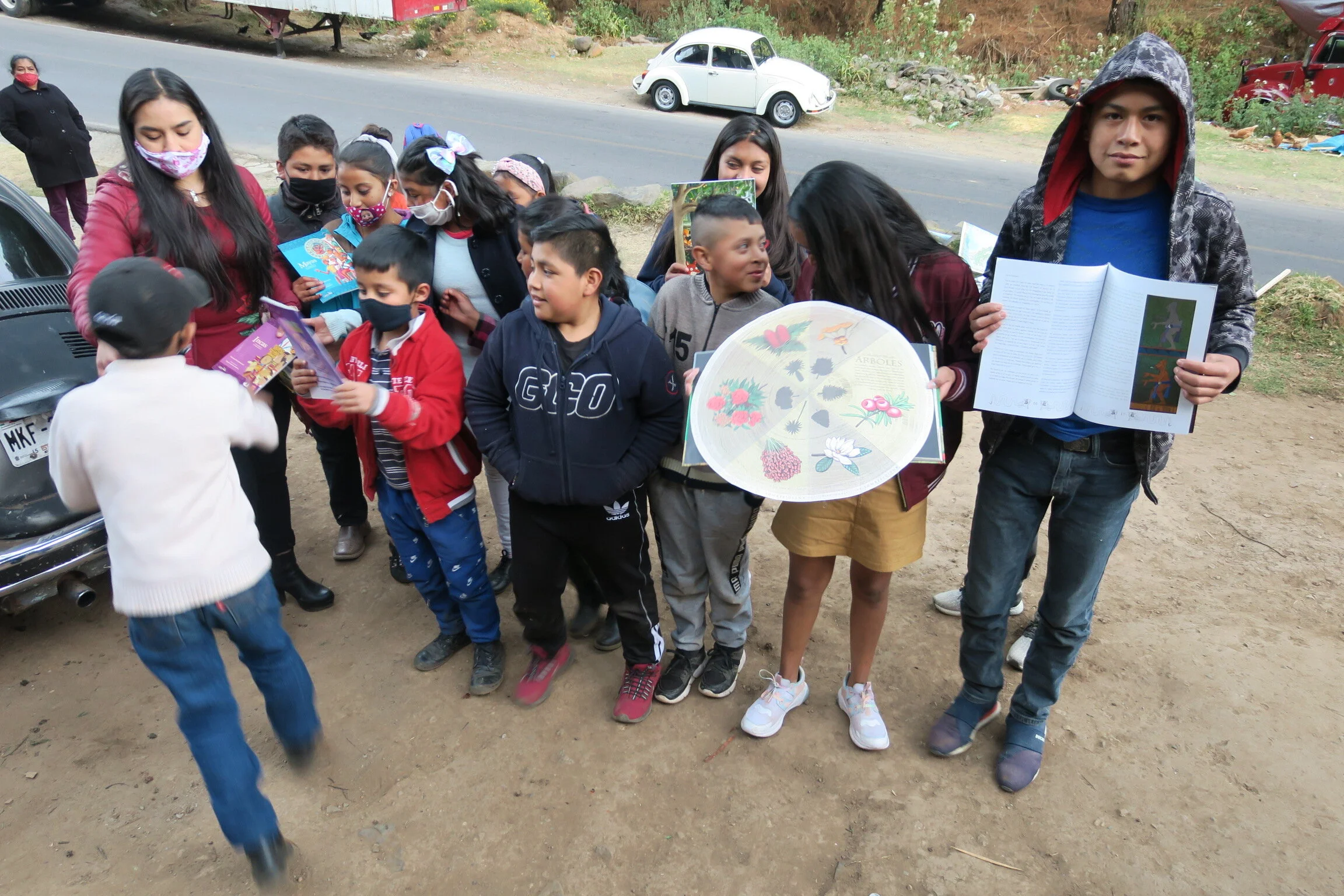
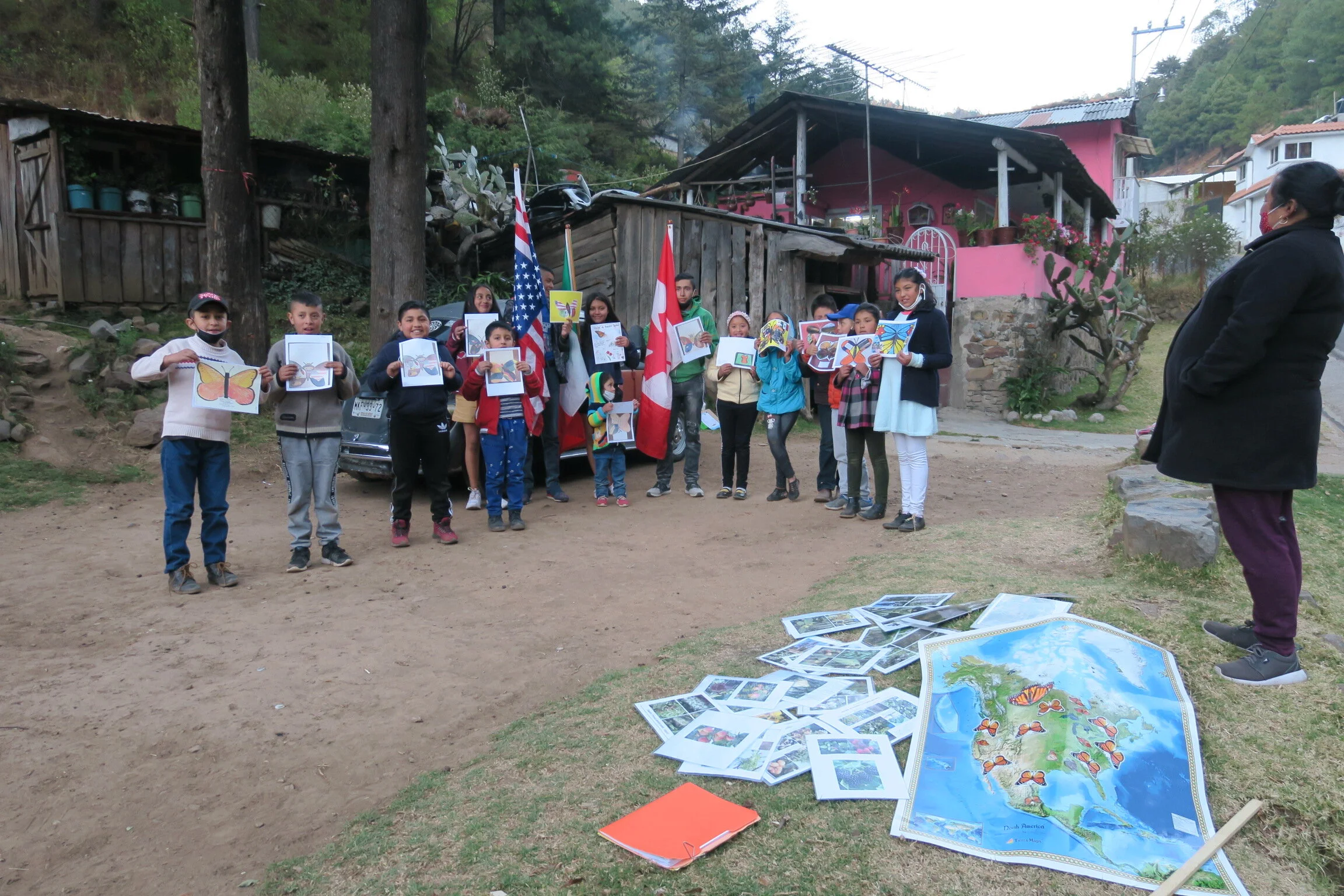
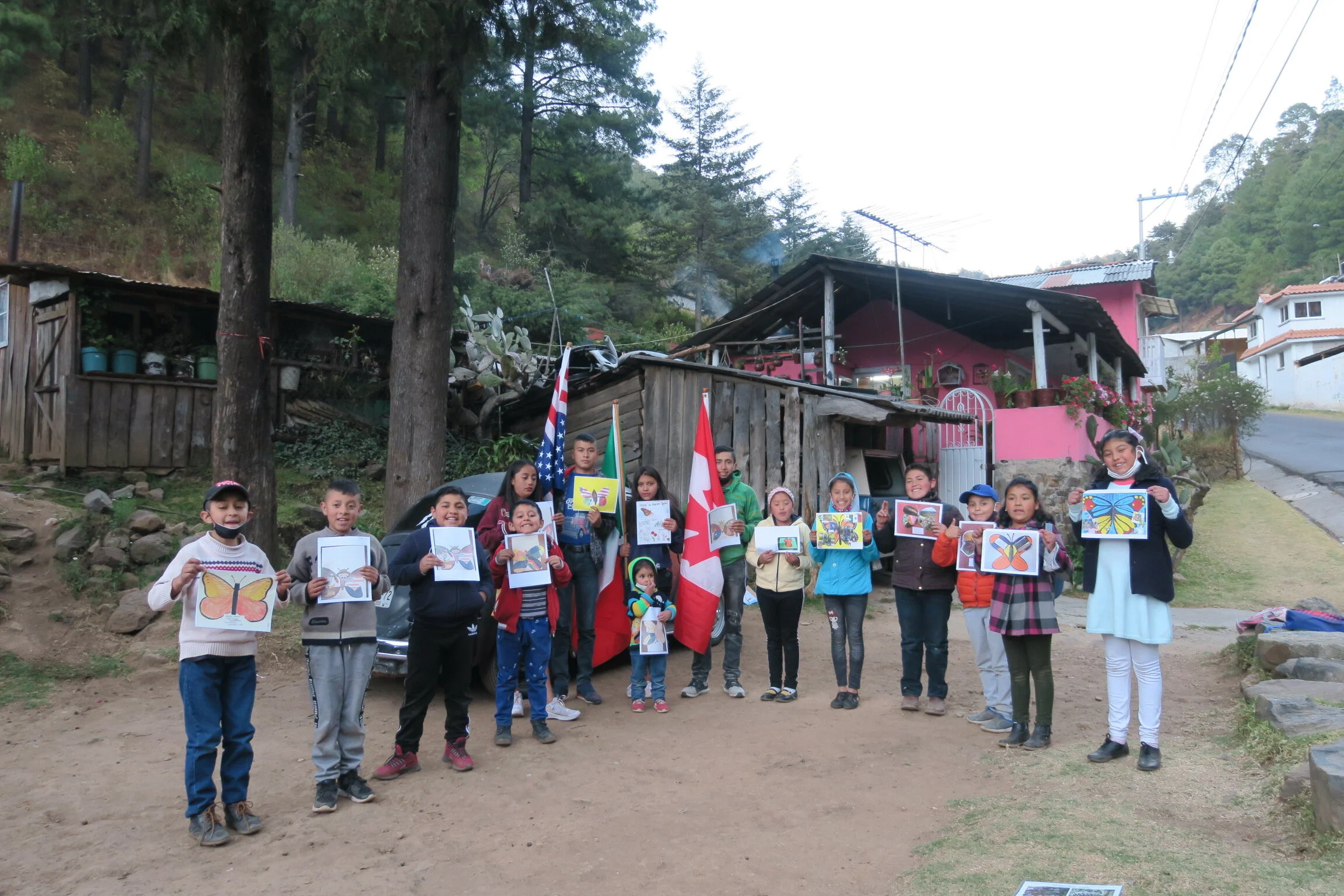
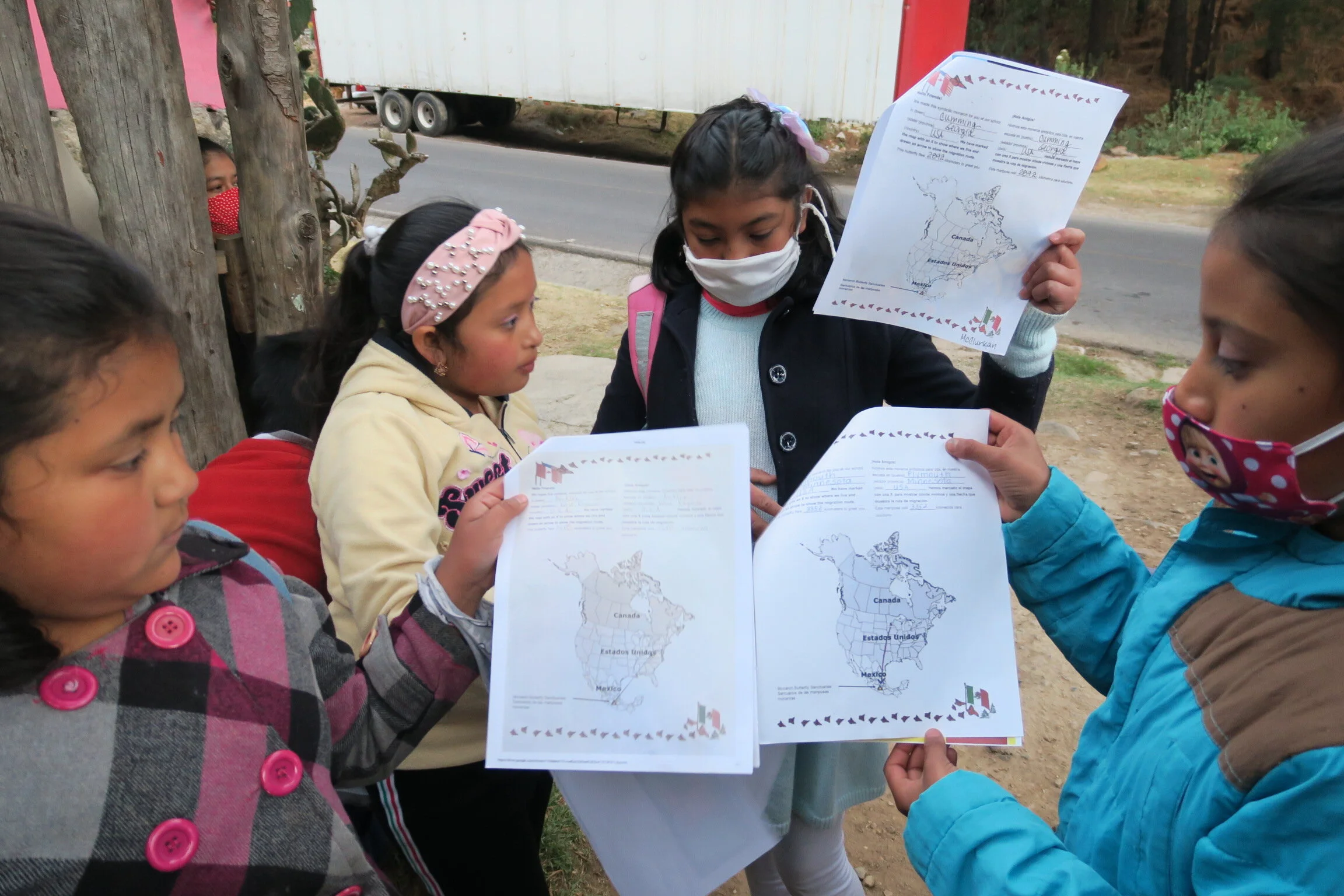
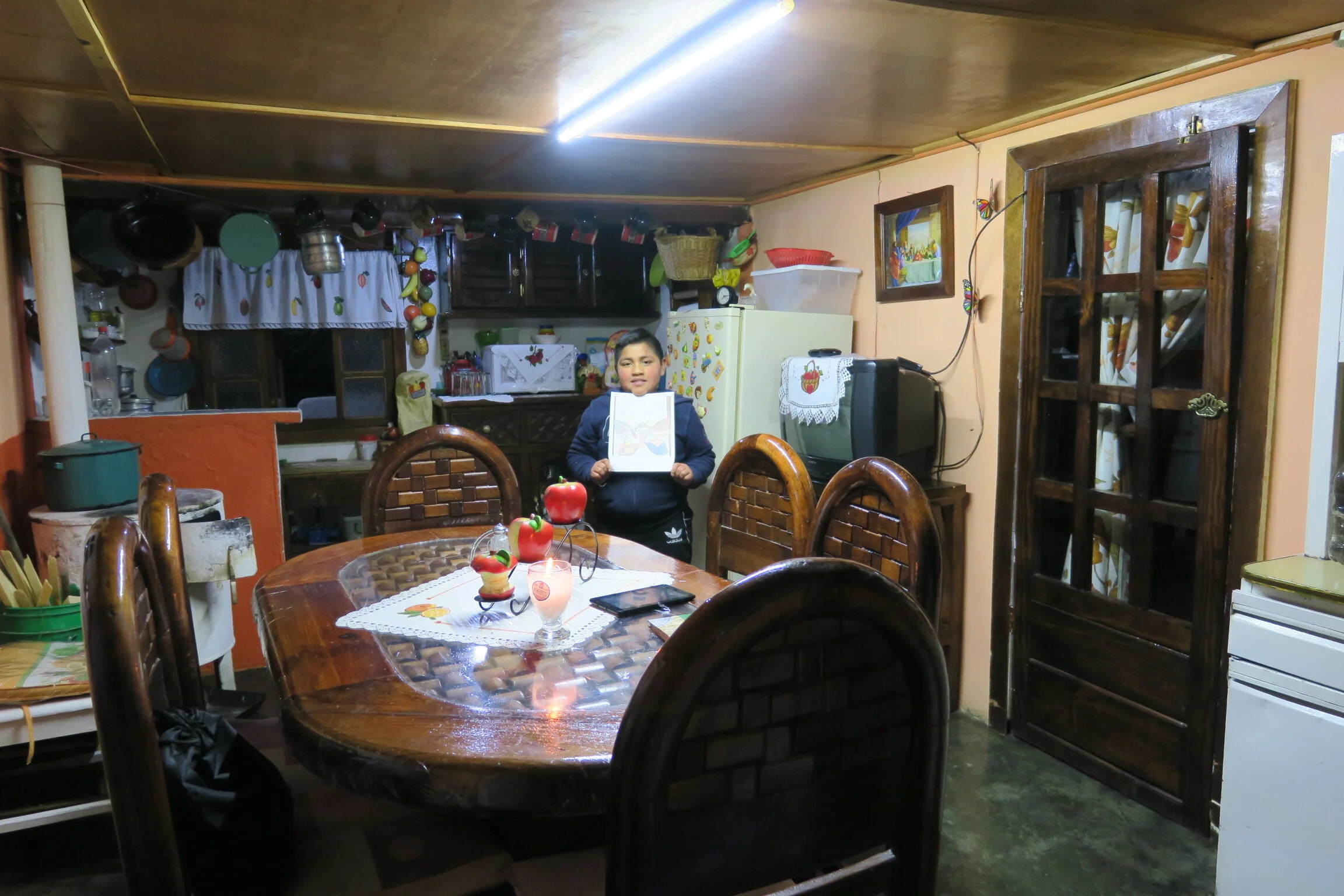
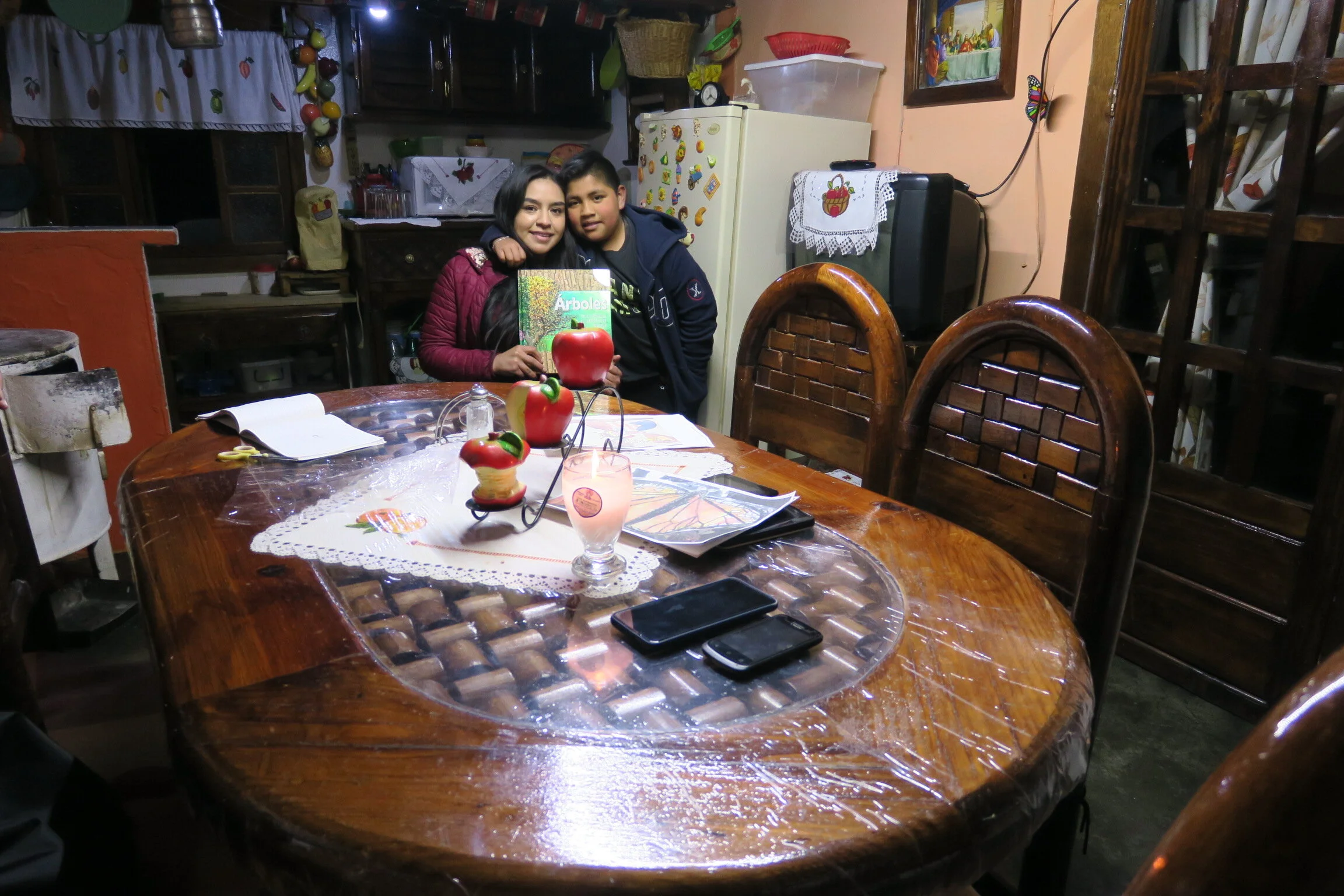
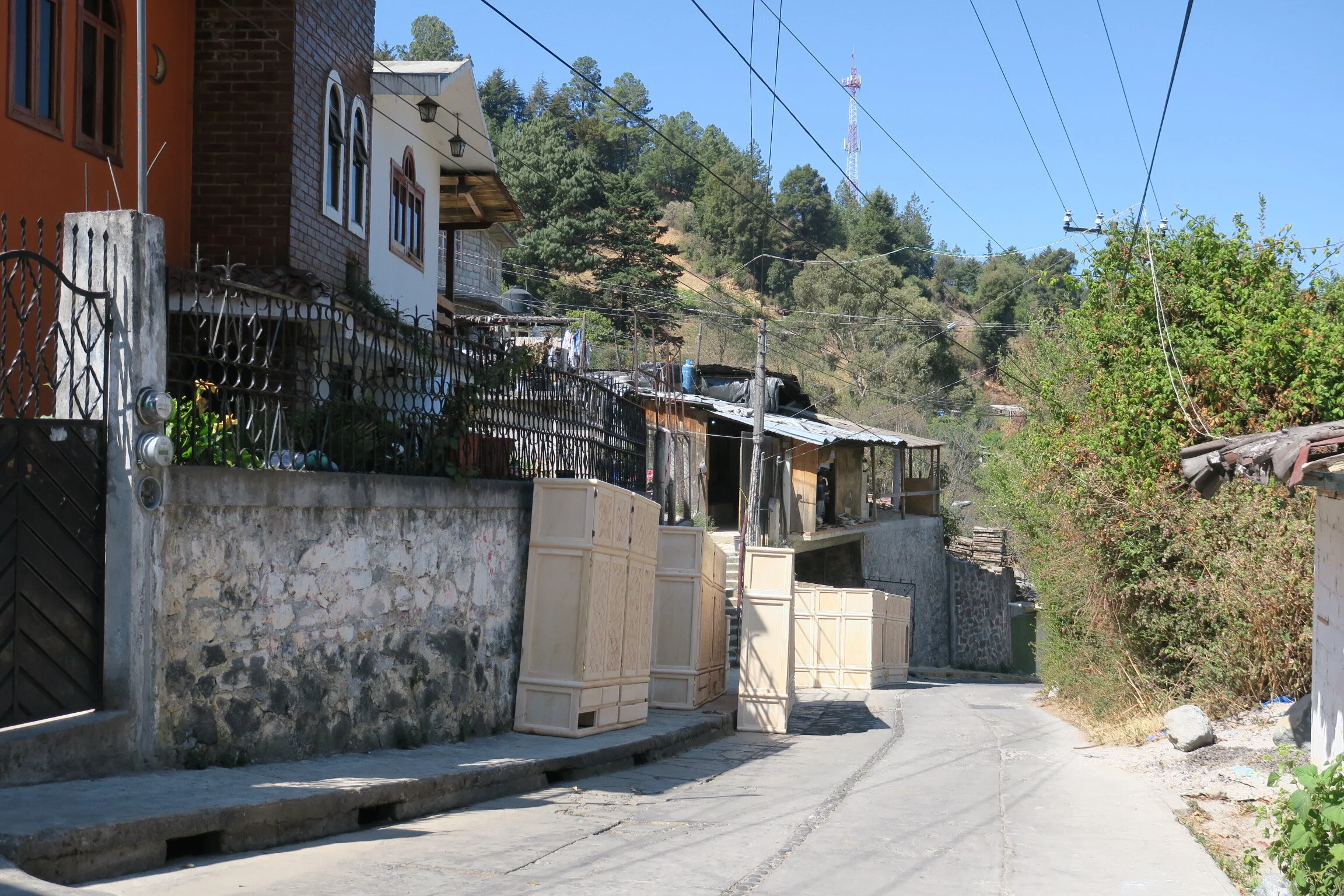
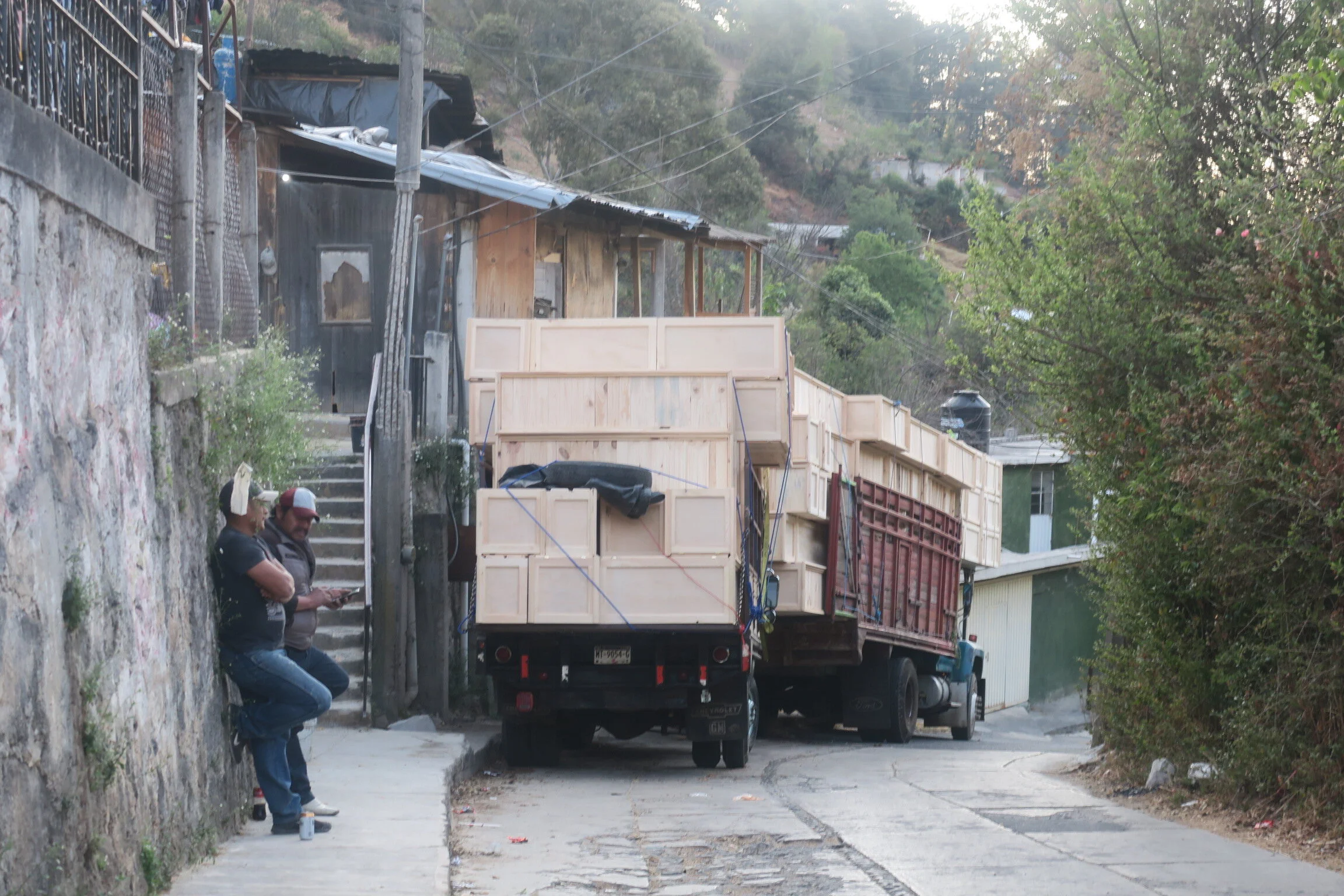
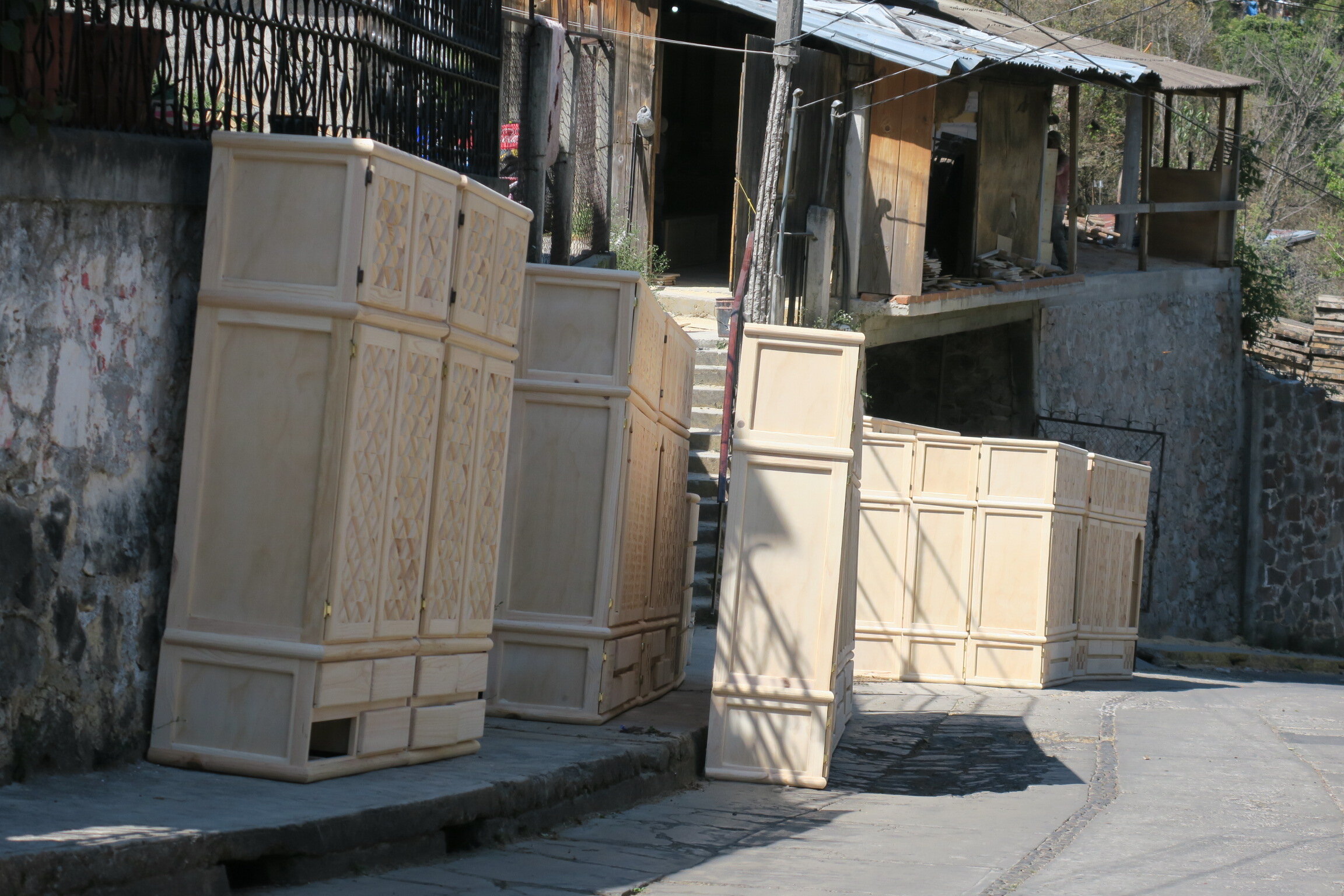
Dear friends, the Symbolic Migration has managed a very important visit now: Being the areas surrounding Monarchs’ Sanctuaries “Sierra Chincua” and “El Rosario”, mining and forest spots historically, and having the the region kept mining as a main source of living in the past, but carpentry a still ongoing activity nowadays and main income for some families in surrounding locations, it has been particularly important to visit children and youngsters to these families, aiming to contributing to make them even more aware of the importance of their own forests as a determinant source and guarantee of living in their own locations into the future. Daniel, and Fernando, the oldest boys in our group during the visit, have both now quit their high school studies in town to learn carpentry besides their fathers. “Since I was a little boy I was at the workshop helping my father doing little things. Now can handle almost every tool to make any piece of furniture”, --said Fernando--. “Which is the timber you mostly use for your furniture production?, what about the Oyamel timber to work on carpentry?”, --Estela asked--. “Oh, we use little Aile timber and Cedar timber but Pine timber is the one we use the most, definitely; this is much softer and much easier to work with than any other wood. Pine wooden furniture pieces are also more inexpensive. Oyamel trees’ timber? No, we never work with Oyamel timber; it tends to keep water in the trunk and it is a rather hard wood to work with, for which it is not really recommendable”, --Daniel took his turn responding now--. Bed structures, wardrobes and comodas are the only three main pieces made every week to take to big cities as retailing consignments. Both Fernando and Daniel sounded really knowledgeable on their living activity as they spoke of it. “We will take our studies back again”; there is more and more regulation every time to get timber at good prices to work with; Conservation measures become more and more strict in our region. Many local men are needed to cut timber in the forests earning really little money. Several men shall work at every workshop manufacturing furniture pieces earning only a fare salary. We have seen how many people make a living by selling crafts, guiding, selling food, doing several services with less work and a similar salary to ours when it is the Monarch season; only a few family workshops are remaining”. Once this short conversation with Fernando and Daniel was over, every student attending the lesson this afternoon was there. Estela went directly into the several aspects on trees providing benefits to every one of our surrounding villages. Off they were over the names of the different names of our forests trees; then we went into the names of our fruit trees: “Figs and Tunas” are missing” one of the oldest girls, Paulina, said to Estela, which was right, even though Tunas come from our Nopal cactus and not from a tree as such and figs shall belong more to a plant than to a tree. A next most important part came to their eyes: our digital map showing how tiny, and unique our Oyamel forests are in the world: “Woooooow, Ohhhhh, Oh-oh, ohhhh!”, --they kept saying as Estela pointed to the tiny black spots in the map, as they asked: “Is it here where we are?; is this why everybody says we are owning the largest Oyamel forests in the world?. Altogether with our Oyamel species, we have our other 5-6 tree species Aile, Cedar, Pines, Madroños and three kinds of Encino trees… Now, what are the benefits trees are giving us all inhabitants around in our location?” –Estela invited them to read and analyze some of the statements listed at the back part of the images of local trees, so as to enhance learning on the benefits of trees in our lives: “They keep our soil healthy; they process carbon dioxide to oxygen; they provide nutrients to the soil; they bring the rain!; they contribute to making most of our eatable products possible; the more trees in our steep mountains, the safer we can live, the more rain we shall get and the more water we can store for the summer, the fall and the winter… “This and much more trees mean for our lives; --Estela concluded, seeing in their faces an enlightened feeling of being so surprised and taken away at getting aware of how privileged we all are to live in this forest spots where Monarch butterflies choose their overwintering home to be as no other place in the world. Student Kevin and her aunt and teacher, Lupita, invited into their beautiful, typical Mexican-town-style home for a glass of pure water coming from the natural springs right uphill in Sierra Chincua!.
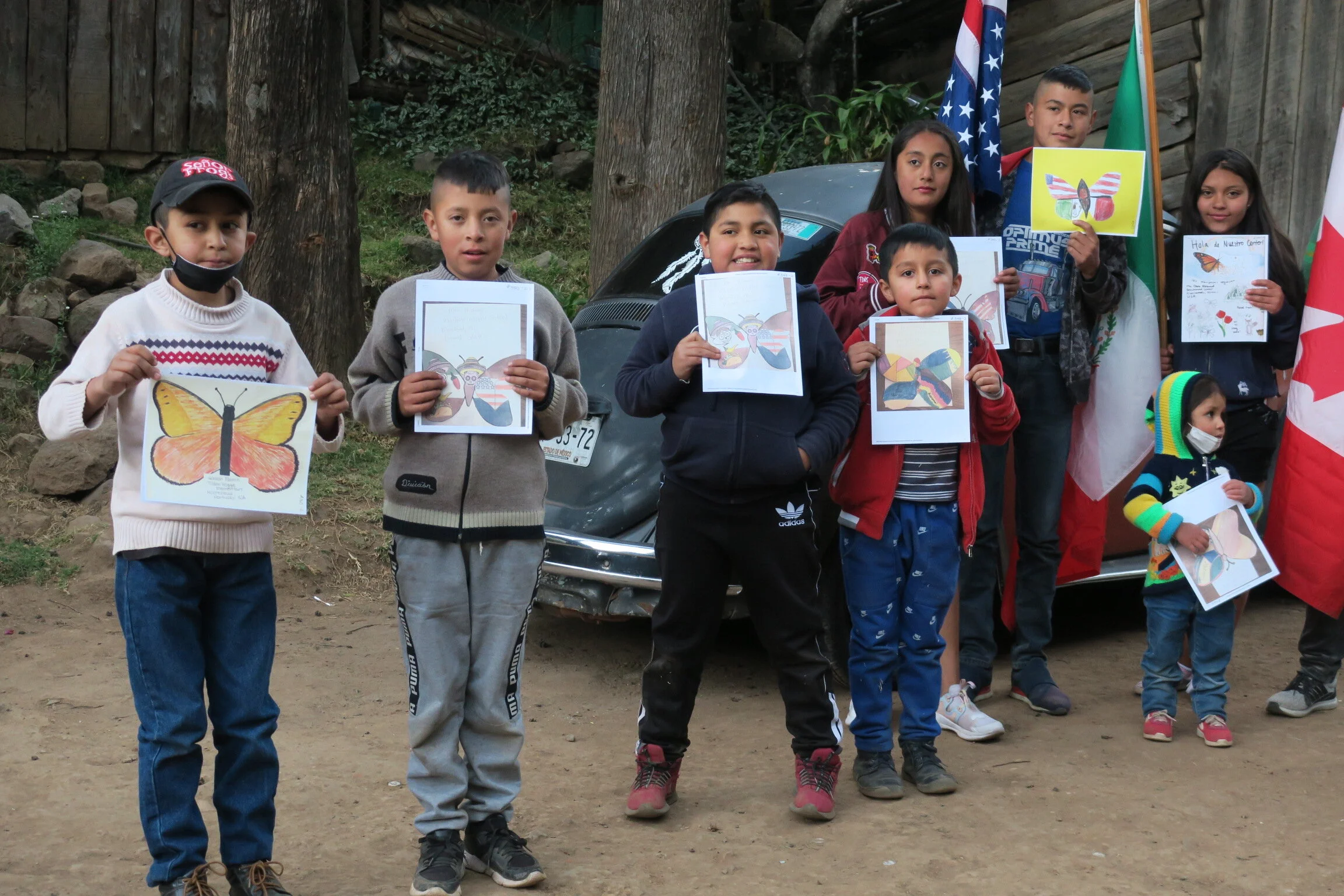
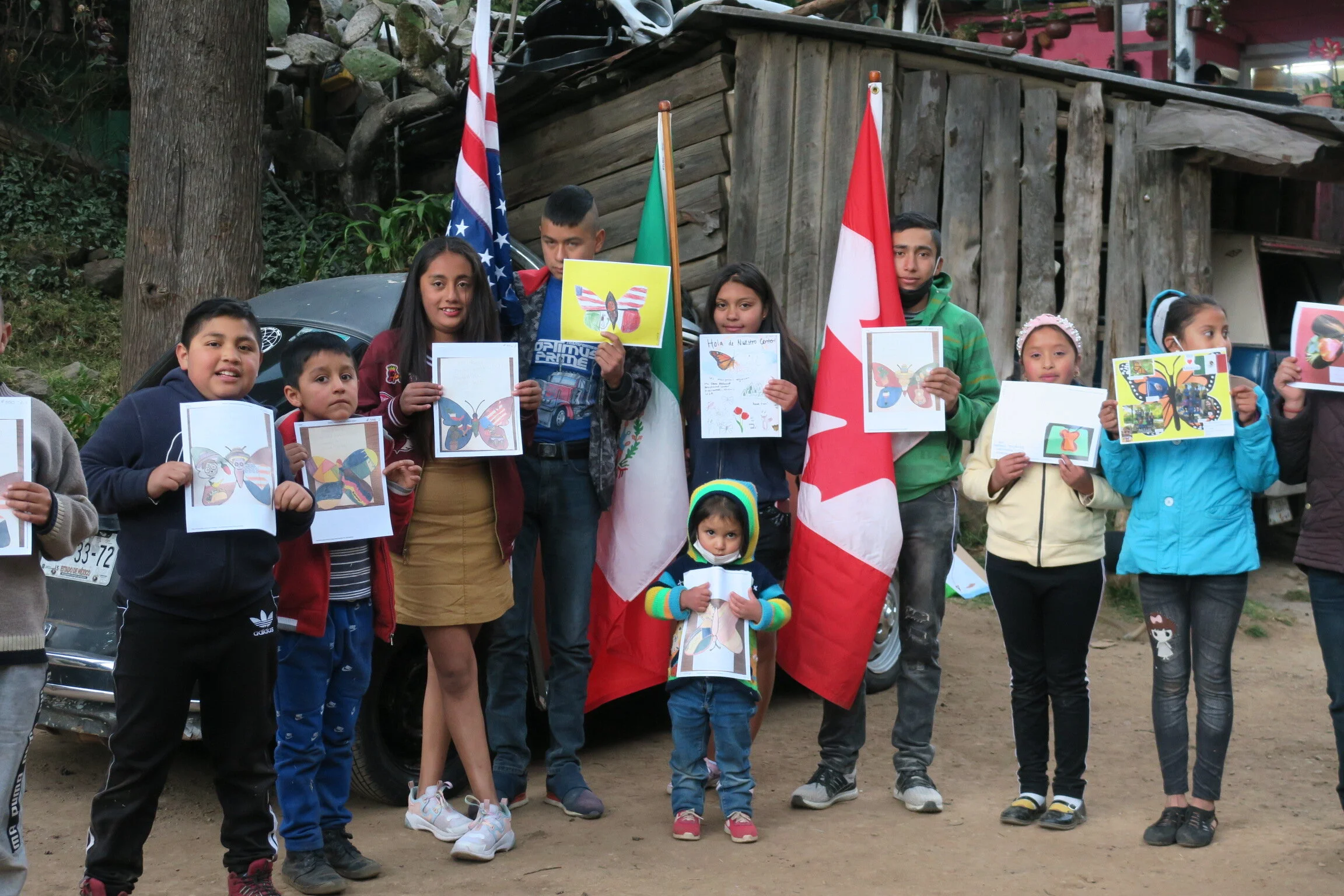
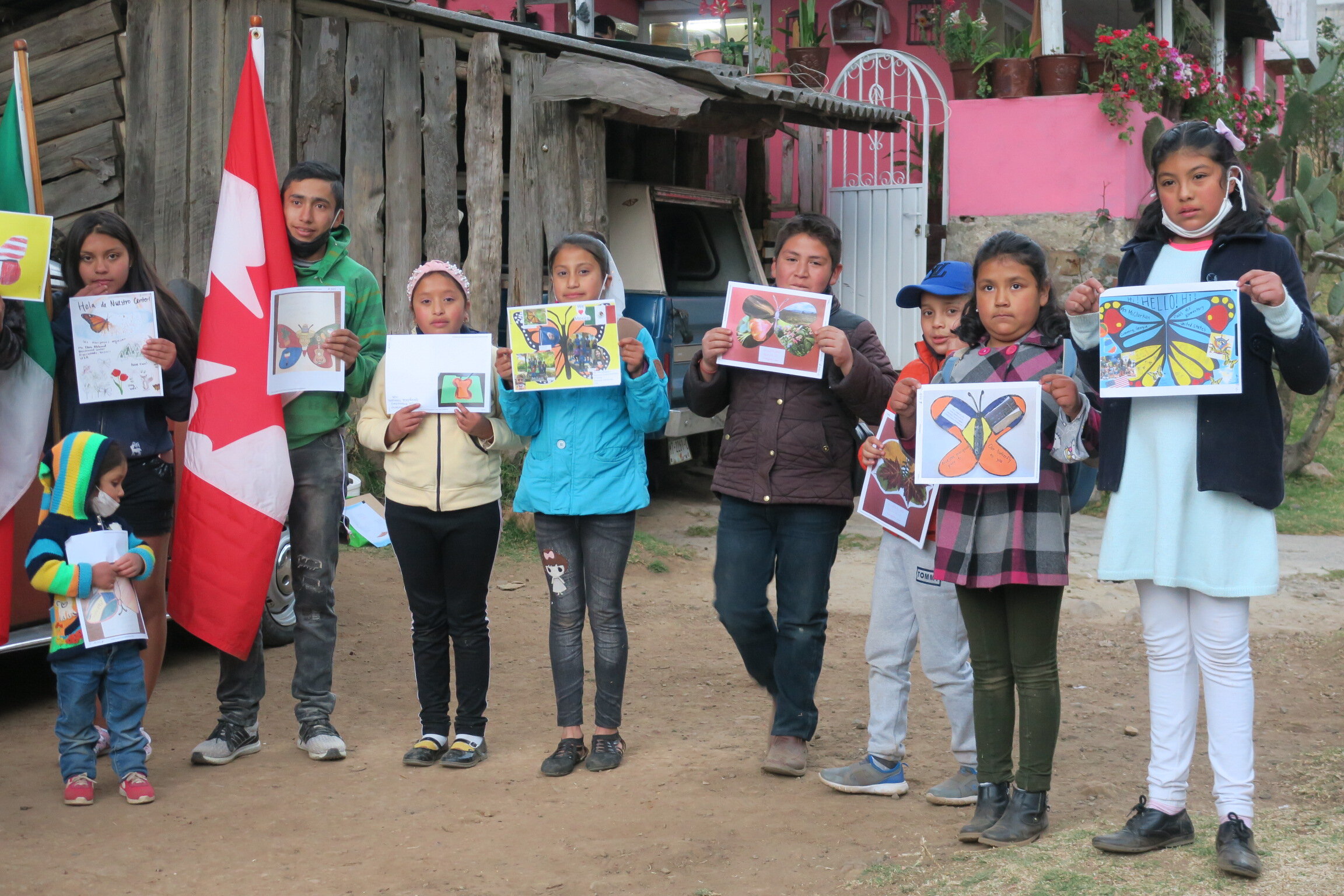
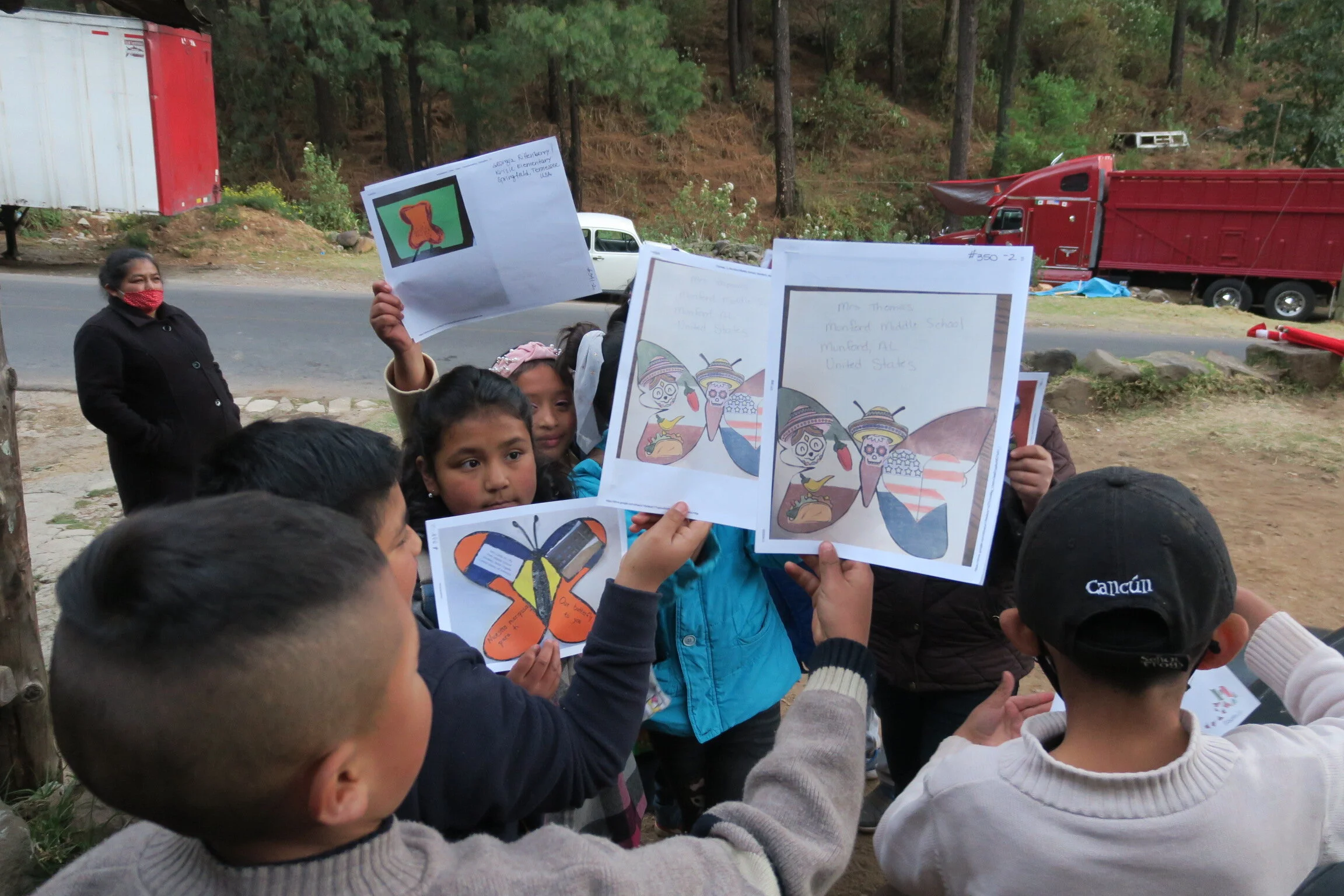
SYMBOLIC MONARCHS RECEIVED HERE
Poole's Mill Elementary School, Cumming, Georgia
Park Middle School, Bleckley, West Virginia
ecoEXPLORE, Ashville, North Carolina
ecoEXPLORE, Ashville, North Carolina
Krisle Elementary, Springfield, Tennessee
Plymouth Creek Elementary, Plymouth, Minnesota
Holy Family Catholic School, Fort Worth, Texas
Brushwood Center at Ryerson Woods, Riverwoods, Illinois
Munford Middle School, Munford, Alabama
Munford Middle School, Munford, Alabama
Munford Middle School, Munford, Alabama
Munford Middle School, Munford, Alabama
Munford Middle School, Munford, Alabama
Munford Middle School, Munford, Alabama
Woodlawn School, Davidson, North Carolina
Tilden Hogge Elementary, Moorehead, Kentucky