
An extremely dry season
THE VISIT
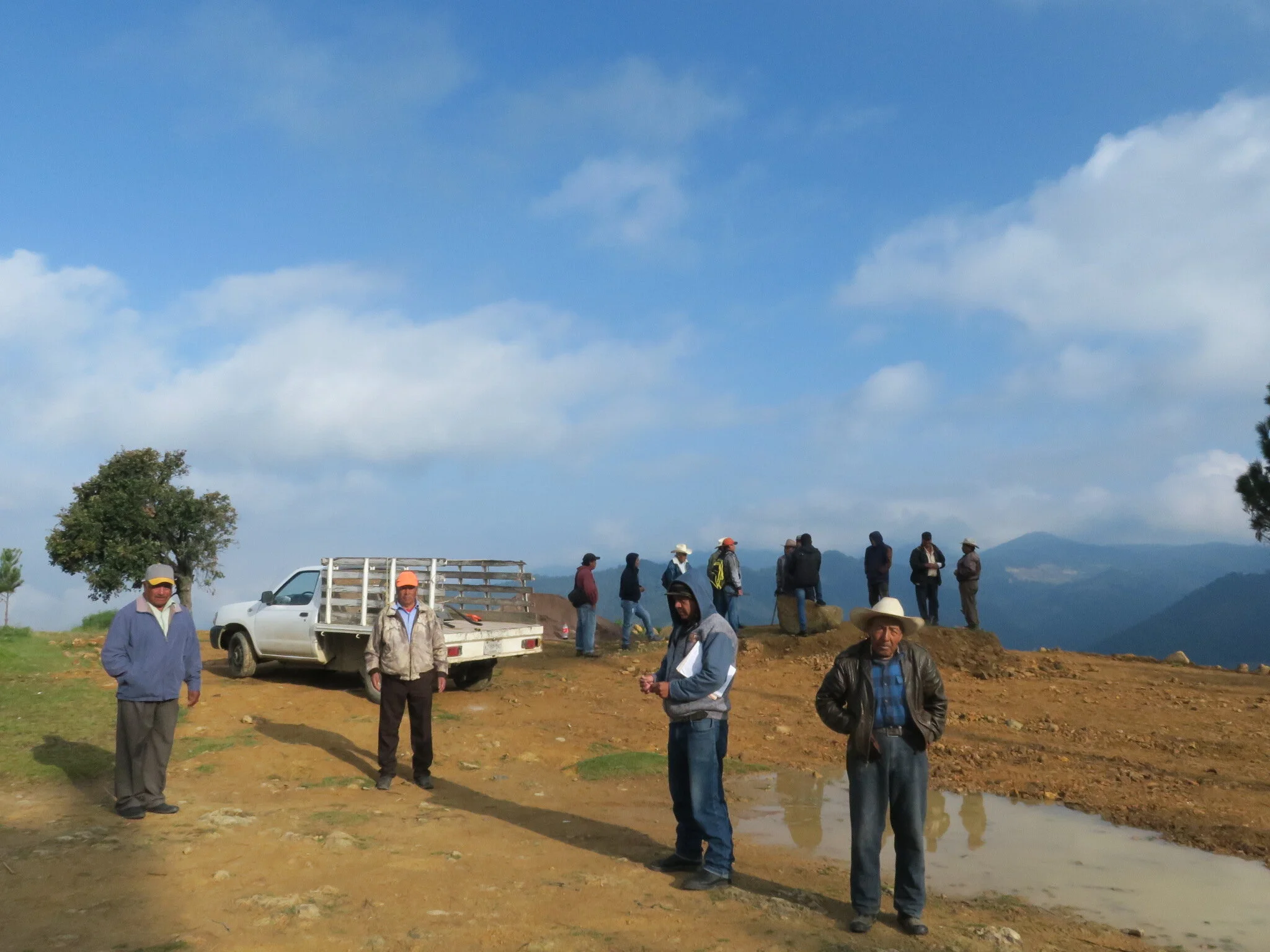
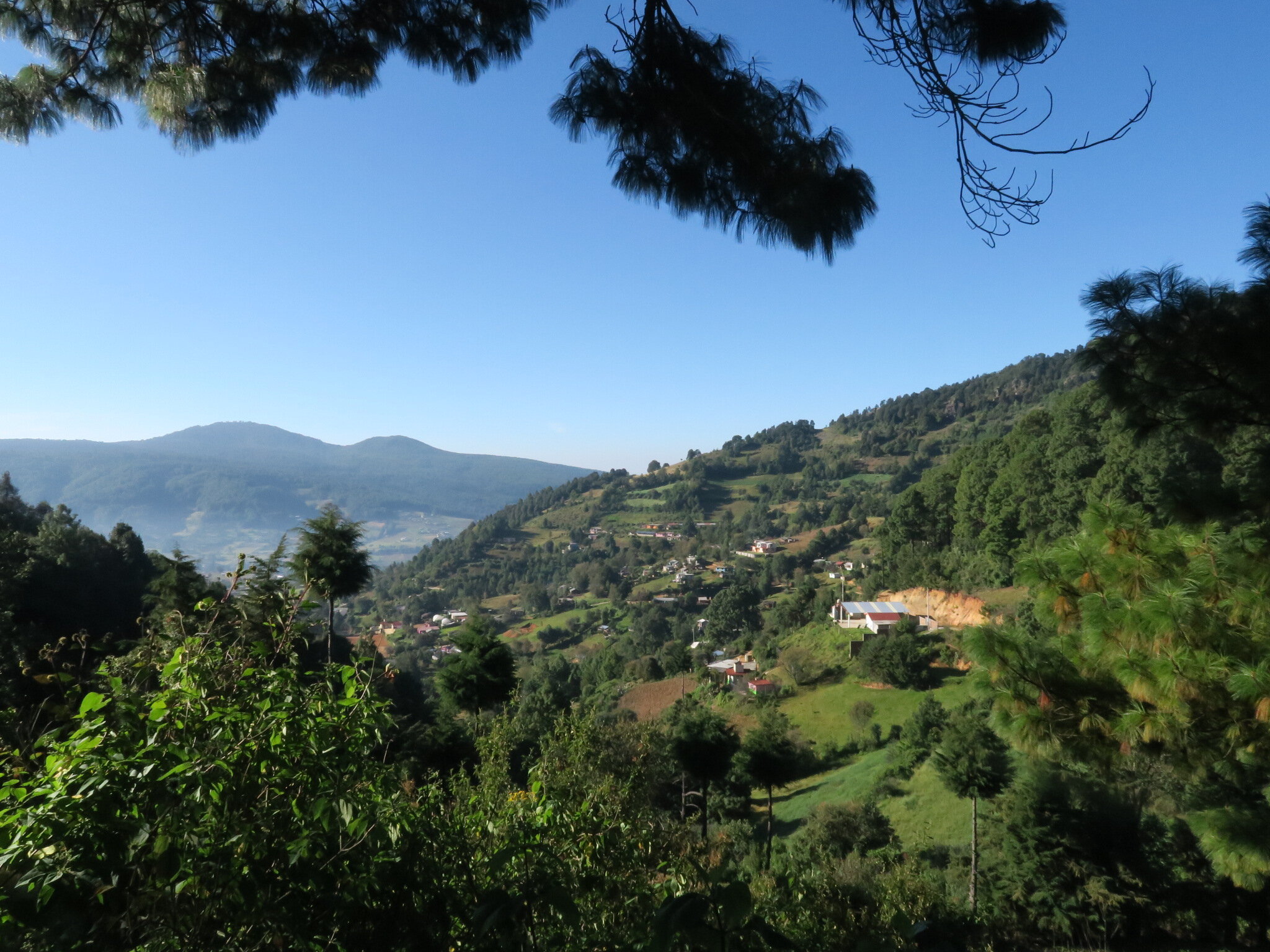
For decades, at the region where two of the three largest colonies, overwintering in Central México, that is, Sanctuary “Sierra Chincua” and Sanctuary “El Rosario,” where elevation reaches over ten thousand feet, winters used to start by the of end October or beginning of November and finished in the first days of March with a considerable amount of snow (with an average 20 inches 30 years ago).
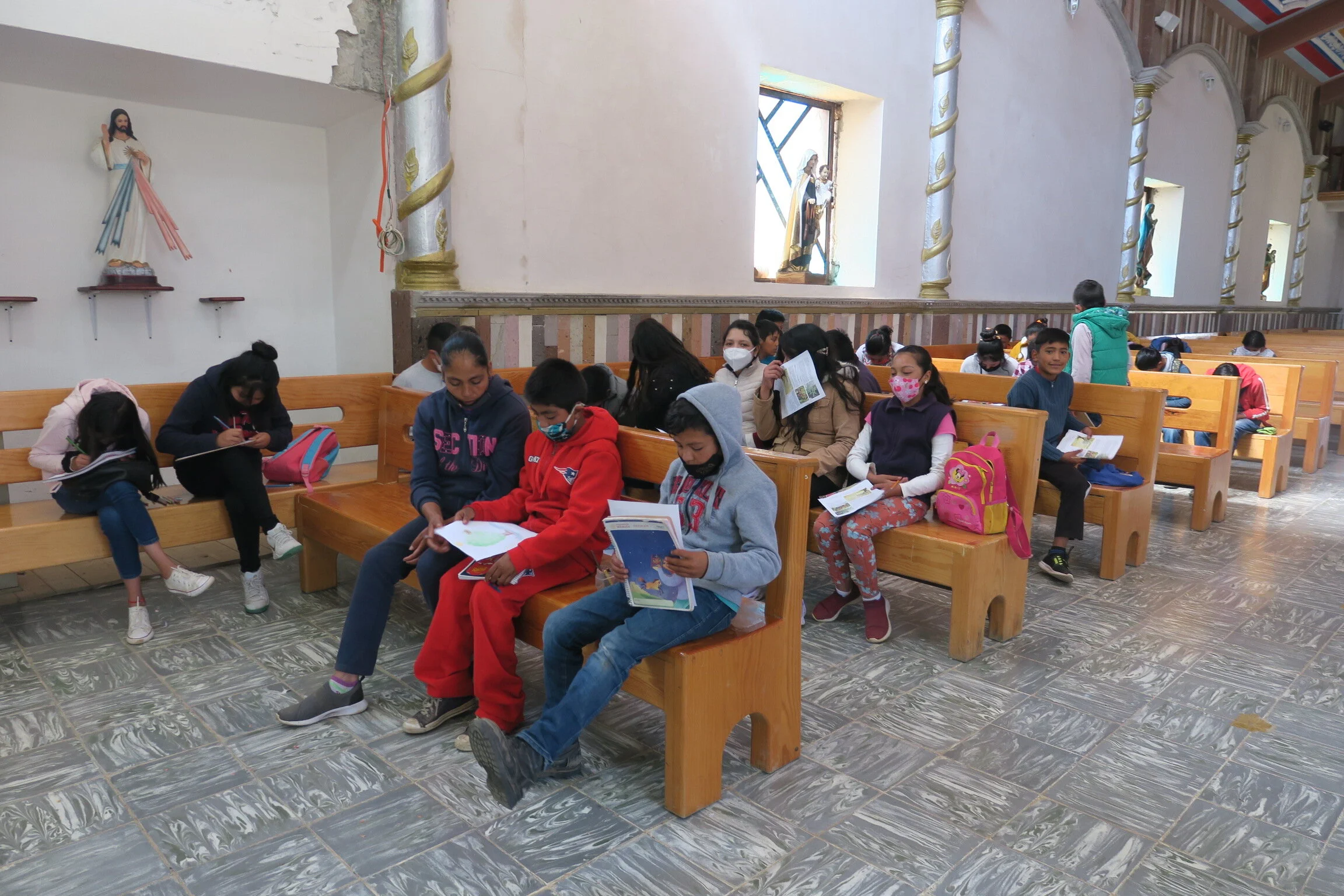
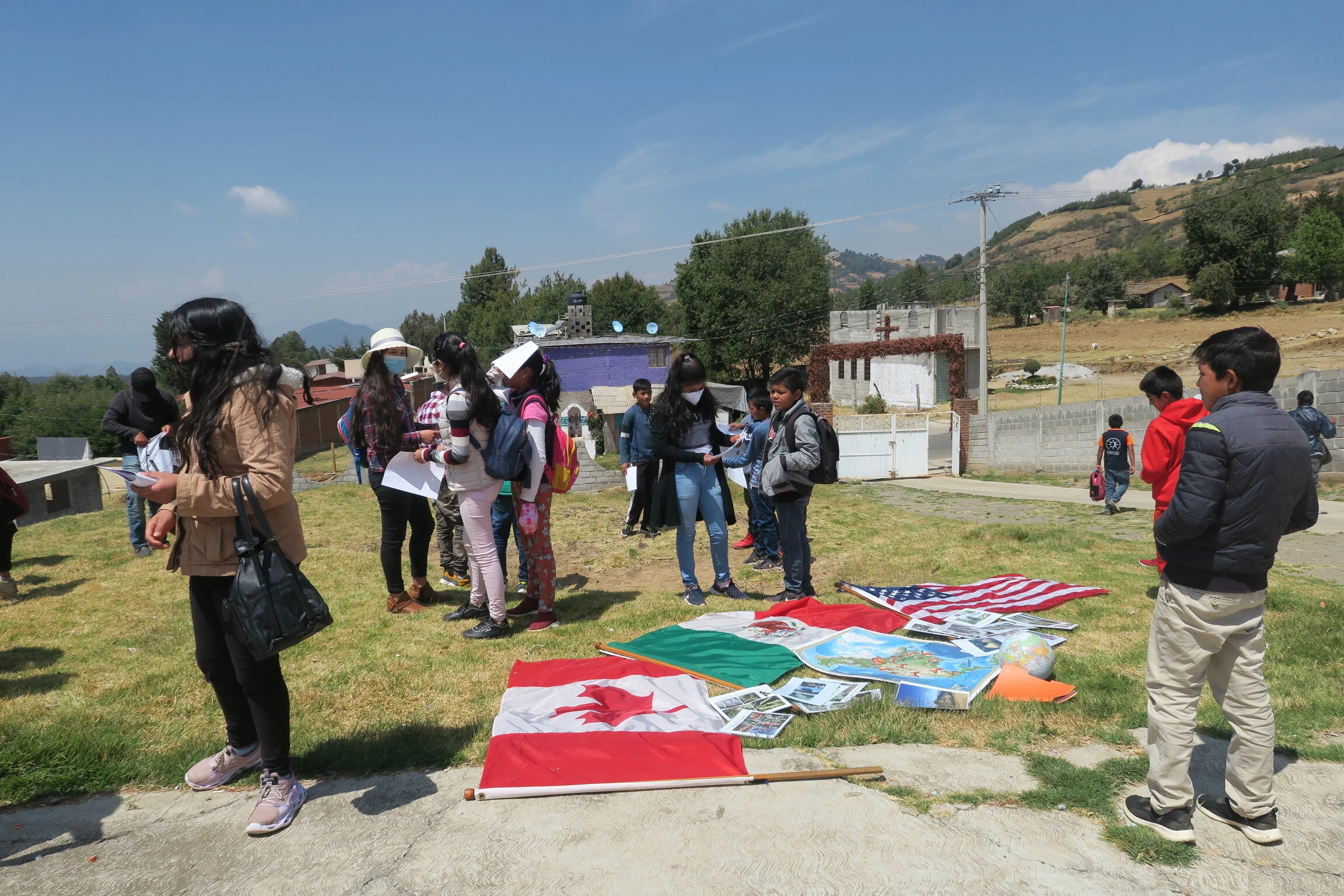
On arriving to the class this morning, Estela addressed the group of teens whose life and families are totally based around both of these Monarch Sanctuaries. “For a couple of decades and very drastically for the last 12 years now, we locals living in this whole region around the Sanctuaries at this high elevation, have been witnessing how our traditional cold and rainy weather has nearly disappeared. We are right now living one of the driest and warmest winters of the last 5 years after having had in year 2016 our last snow storm followed by terrible 120 km/h winds and severe freezing right after, causing a huge monarch mortality. All of this was documented in detail by specialists on Monarch habitat.”
“Only 5 years later now, boys and girls, what could you say about this year?” Estela addressed the audience.
“We are now having a much too dry and burning-hot end-of-winter and beginning-of-spring time. This is very concerning, my grandpa says because it is March now and we are about to plant our corn crops and the soil is having no humidity at all. We are missing little water ponds all over from our traditional “chipi-chipi” late-winter rain,” a boy in the class immediately responded at Estela’s introduction.
“Grandpas, moms and dads and uncles have said they will all wait a little more in hopes that some rain will come in order to start sowing our lands, but they see with sadness and concern that the more days pass by, the hotter and drier it turns,” a girl now added to the comment.
“I heard from my seniors at home that we are a region of seasonal sowing, since our raining season is intense and used to take place from end-May to mid-October, which had been historically more than enough for our sowing to our harvesting time. Intense rain months and water draining at our steep mountains were the perfect guarantee for successful harvesting most of the time. We have never needed to support our crops with watering systems at all. Now, families are worried about the drought conditions for the past 3-4 years,” one of the oldest boys in the class said with visible concern.
“Besides we locals not used to the intense brightness of the sunlight during the day, we are neither used to warm-hot temperatures during the day like this. Spring has not yet started and we are already wearing sandals and t-shirts. We were not used to dressing so at all. Out in the sun either you wear a hat our you get a serious sunburn. What is this? What is happening? another of the oldest girls in classed wondered.
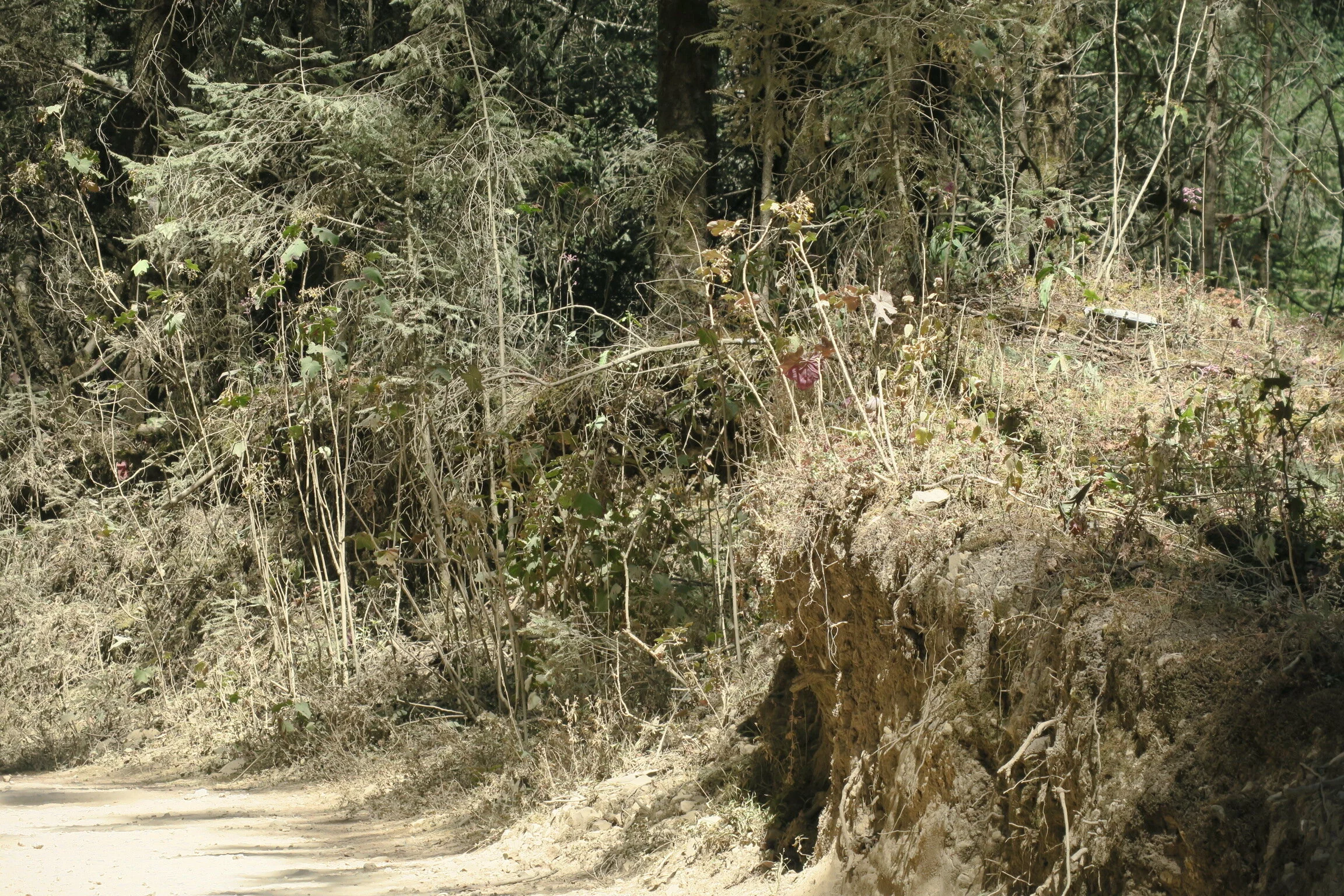
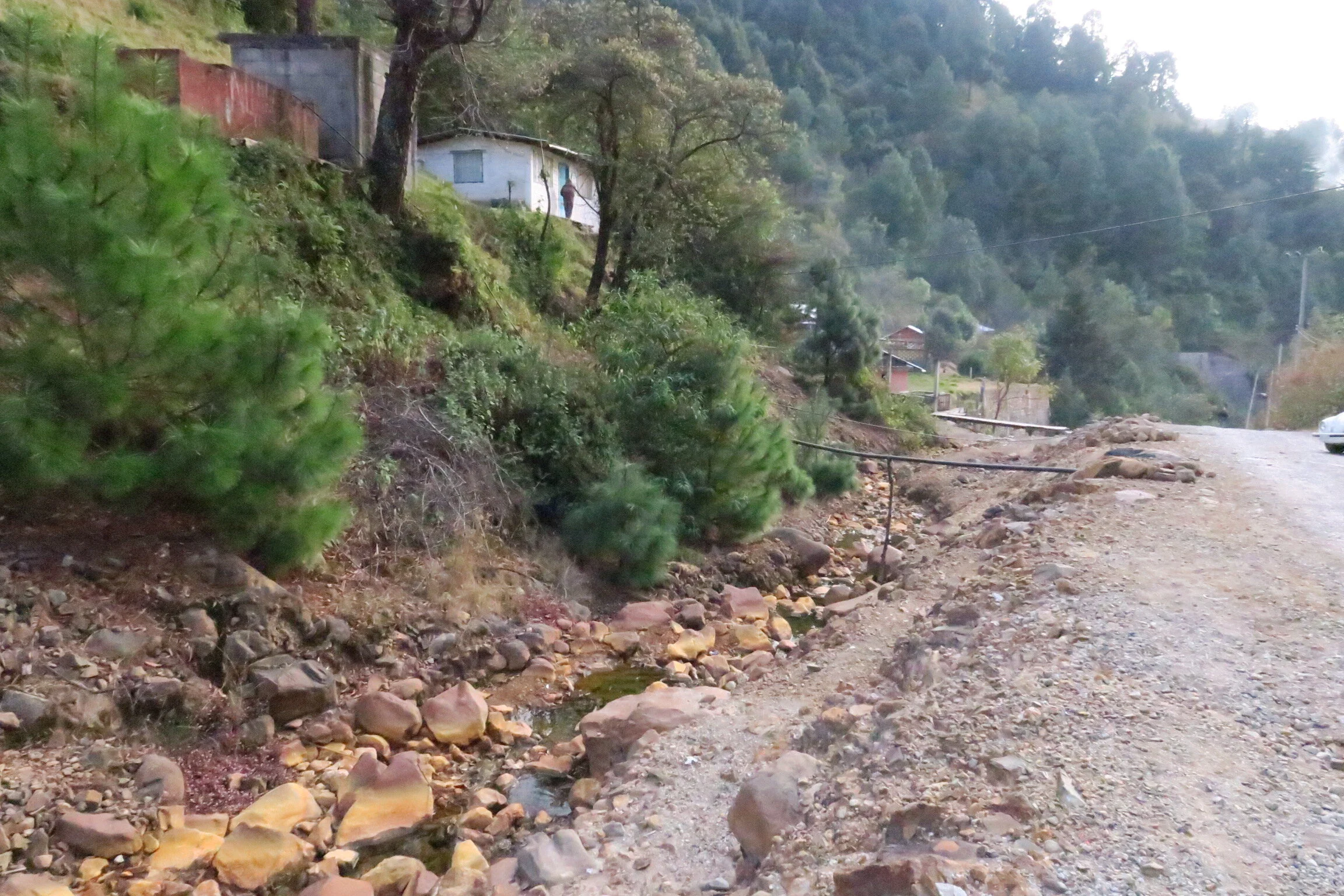
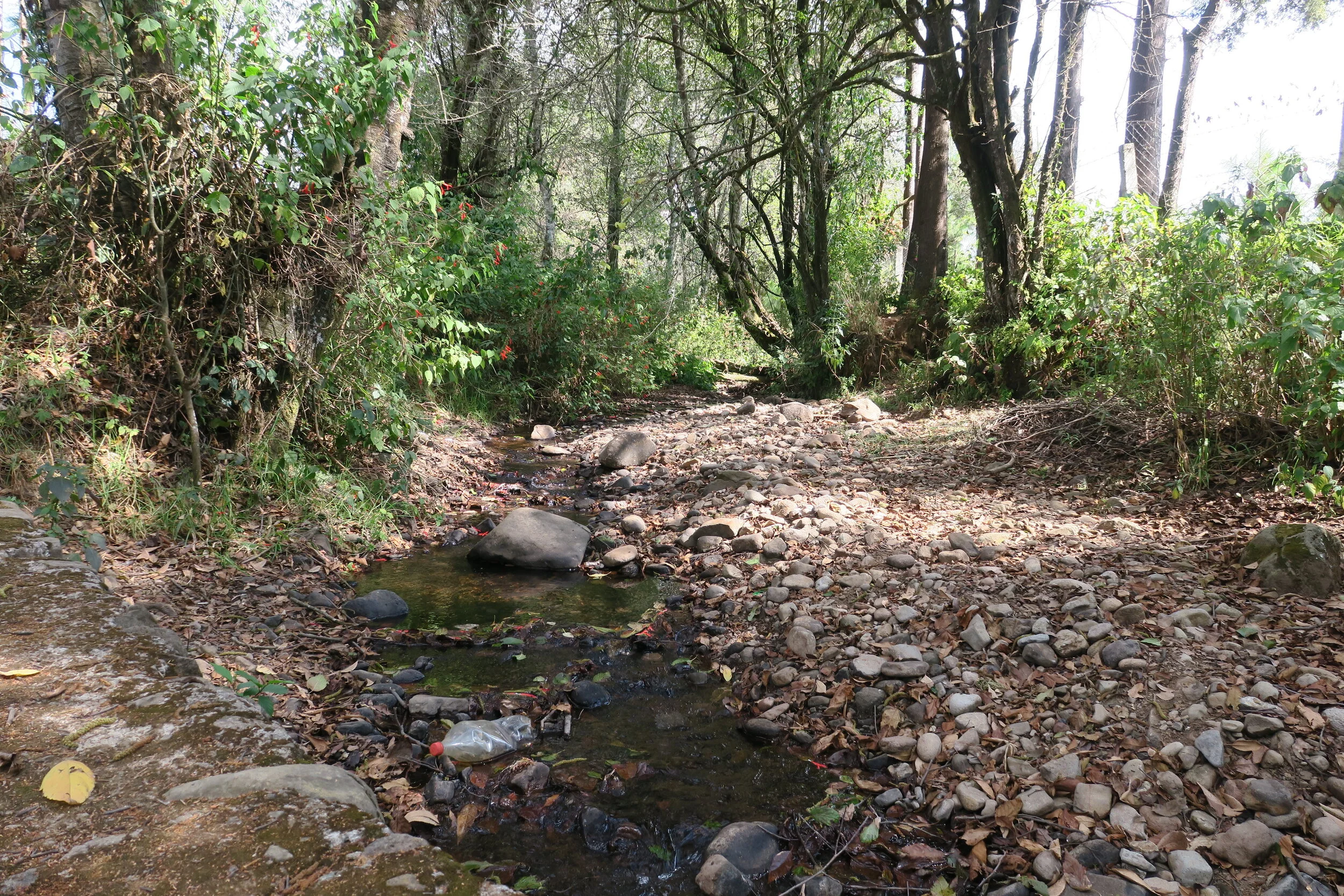
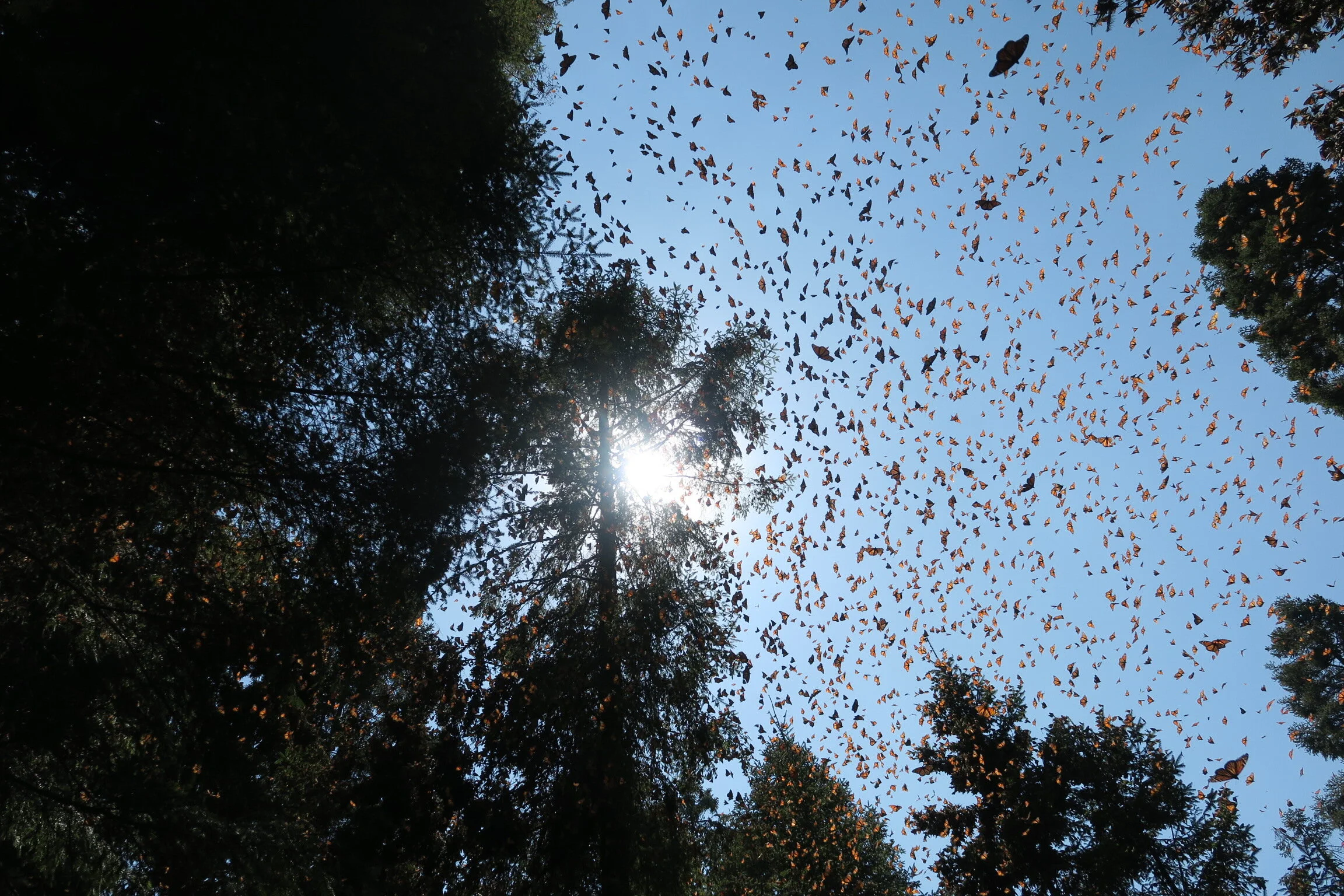
Estela closed explaining: “Well, these you describe are the concerns for humans. I need to tell you now that insects in general need important levels of humidity to live. Their bodies transpire large amounts of water. Ours, like crickets, bees, wasps, mosquitos, moths and Monarch butterflies can be now under severe stress at not getting enough amounts of humidity in their local ecosystem. This is extremely dangerous. What to say of our rivers severely diminished, our ponds and creeks hardly carrying some water. The ancestral phenomenon of Monarchs must have adjusted to unknown habitat changes before. Monarchs themselves shall tell whether severe droughts shall be one more re-adjusting challenge to them. Our Monarchs colony in El Rosario has now been spending the last hottest days in a forest area much fresher and populated where they had never been before at their departure in the neighboring Ejido of Angangueo, leaving Ejido and overwintering spots of “El Rosario.”
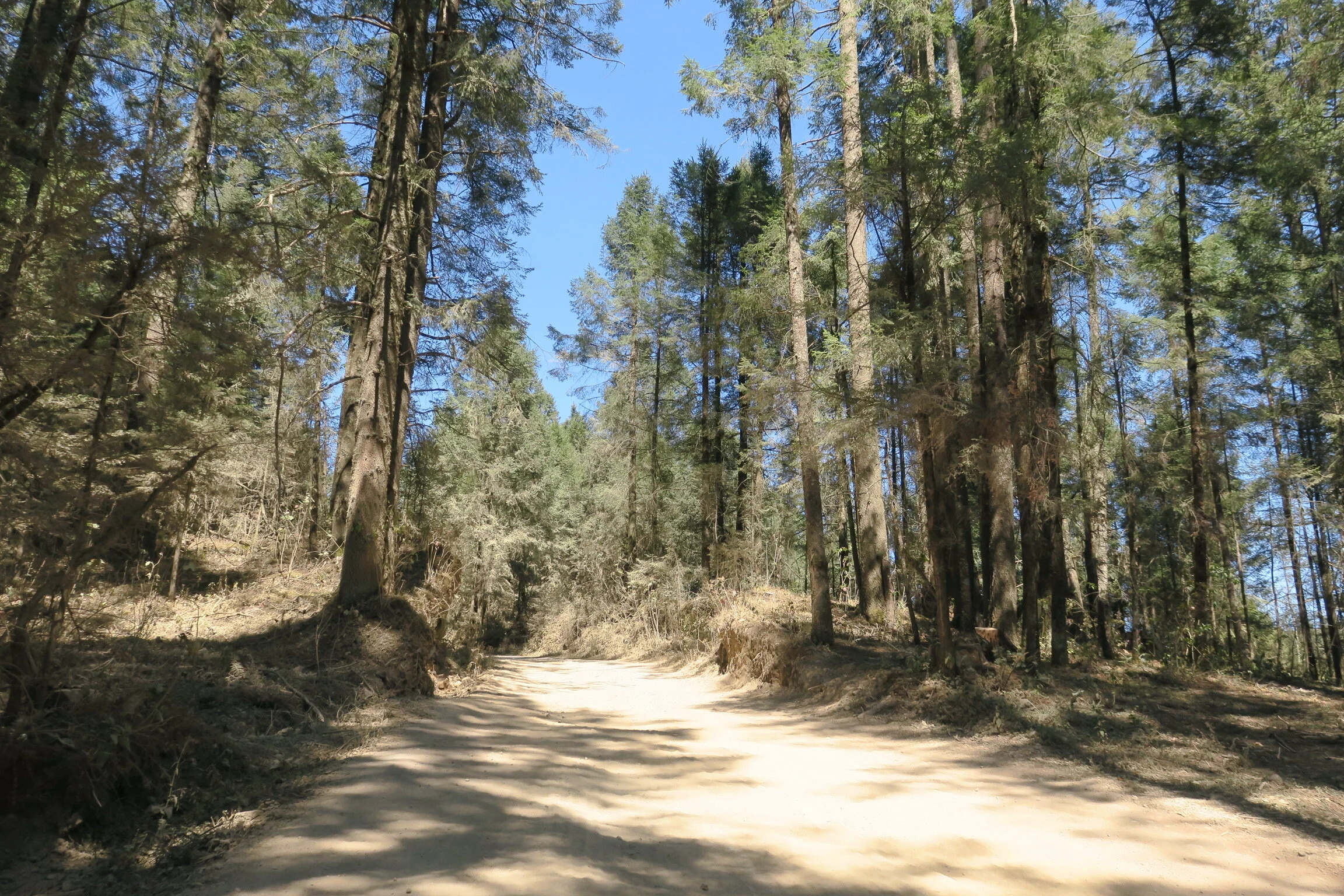
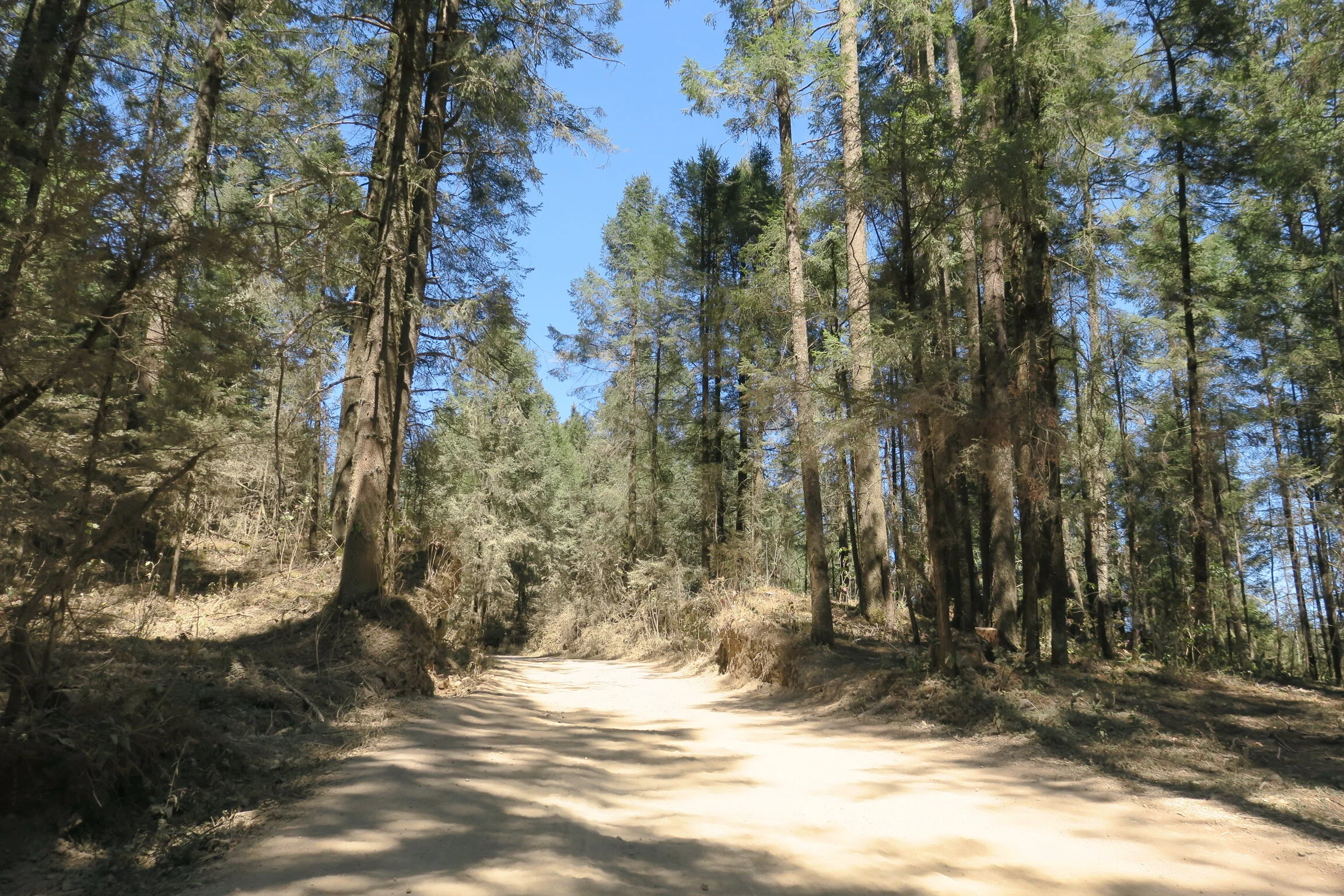
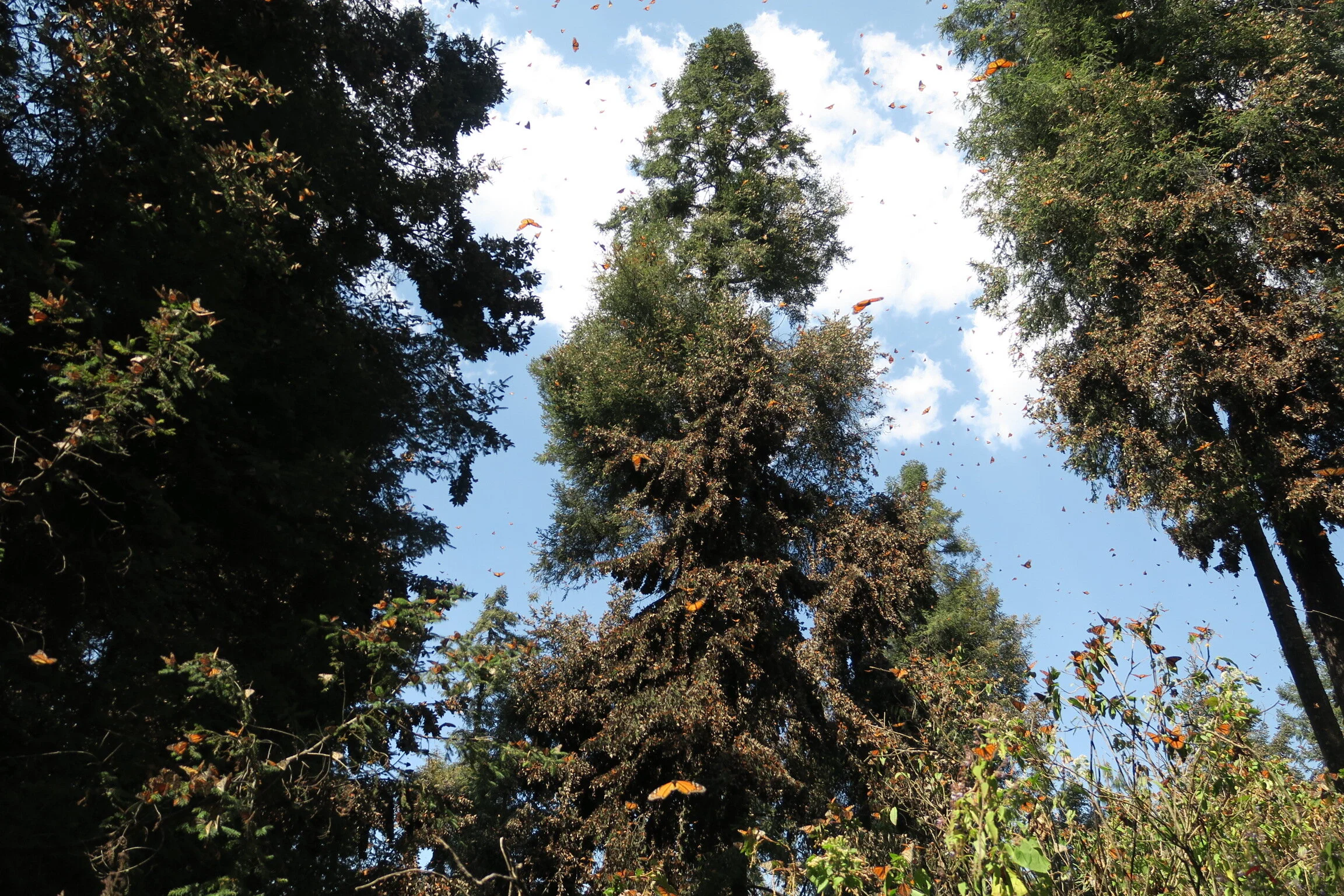
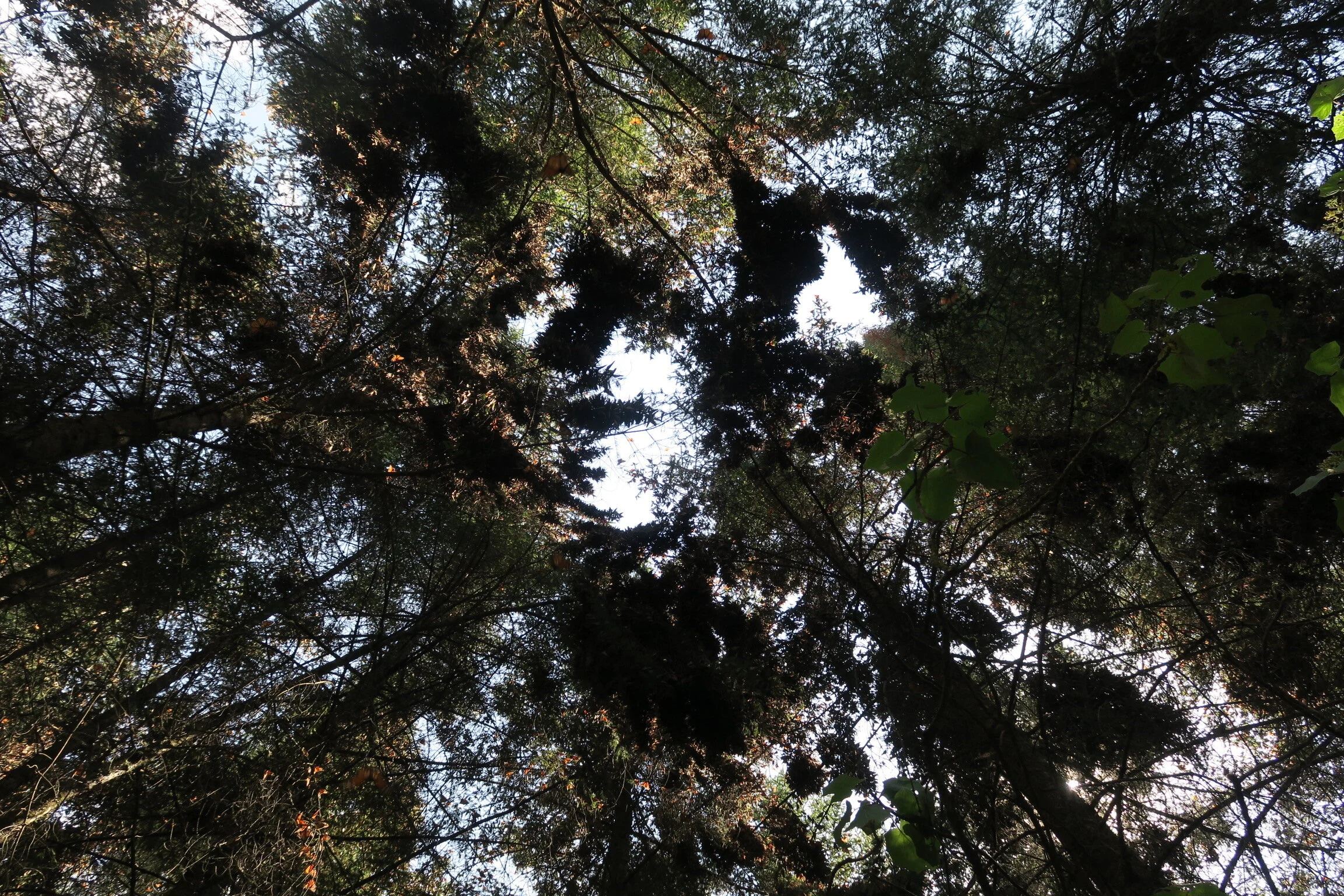
“Compare the winter images last year with some rain water on the ground, green canopy still easily seen, with this year, where canopy looks as if burned out.”
”TREES, BOYS AND GIRLS, TREES, AS YOU CAN SEE, ARE THE ANSWER TO ALL OF THE ASPECTS, EVENTS AND PHENOMENONS THAT CAN PUT OUR ECOSYSTEMS AT RISK. OUR PLANTS AND ANIMALS UNDER TERRIBLE STRESS. WE ARE FACING BIG CONCERNS ABOUT OUR LIVES INTO THE FUTURE IN OUR OWN HOMELAND,” Estela closed.
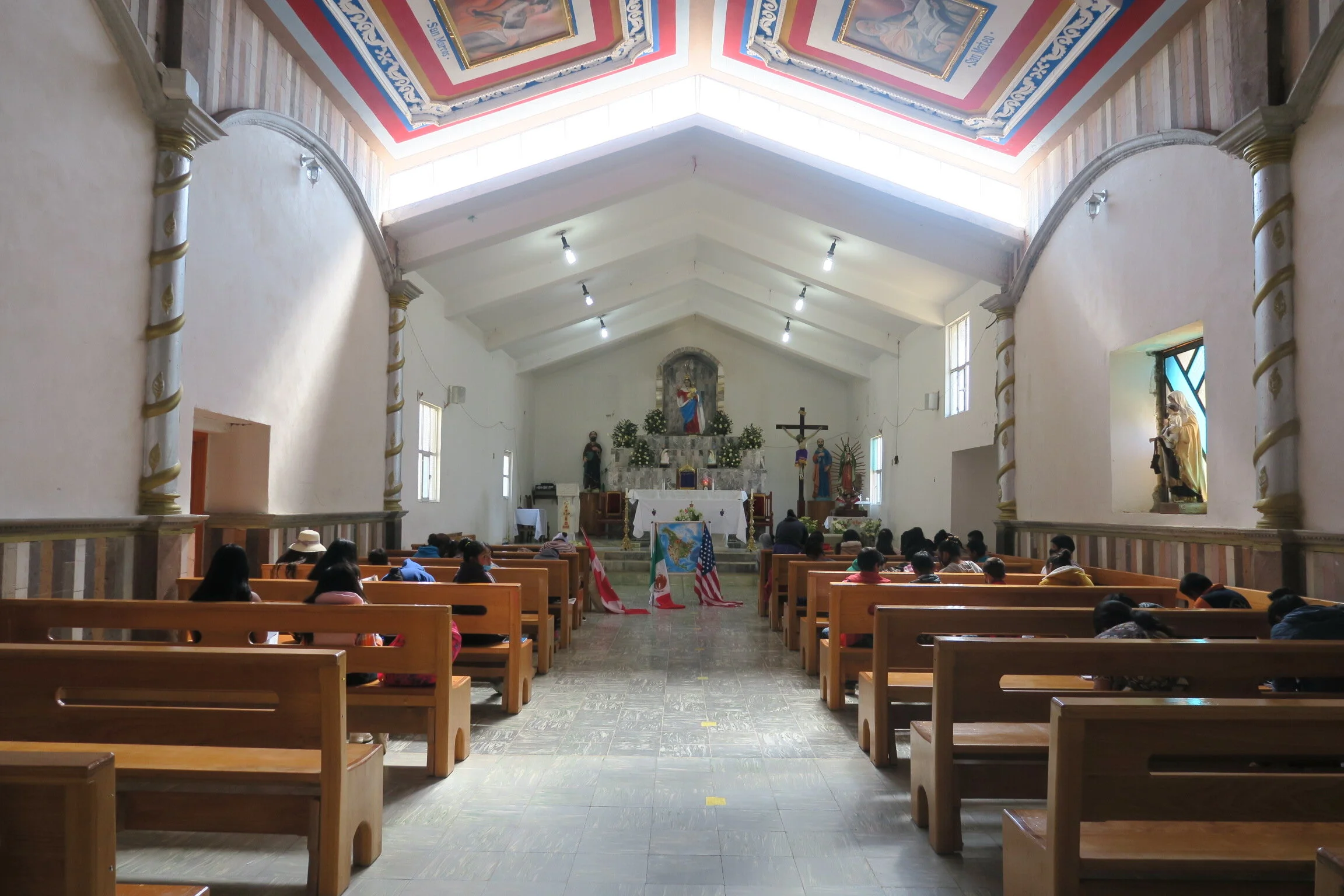
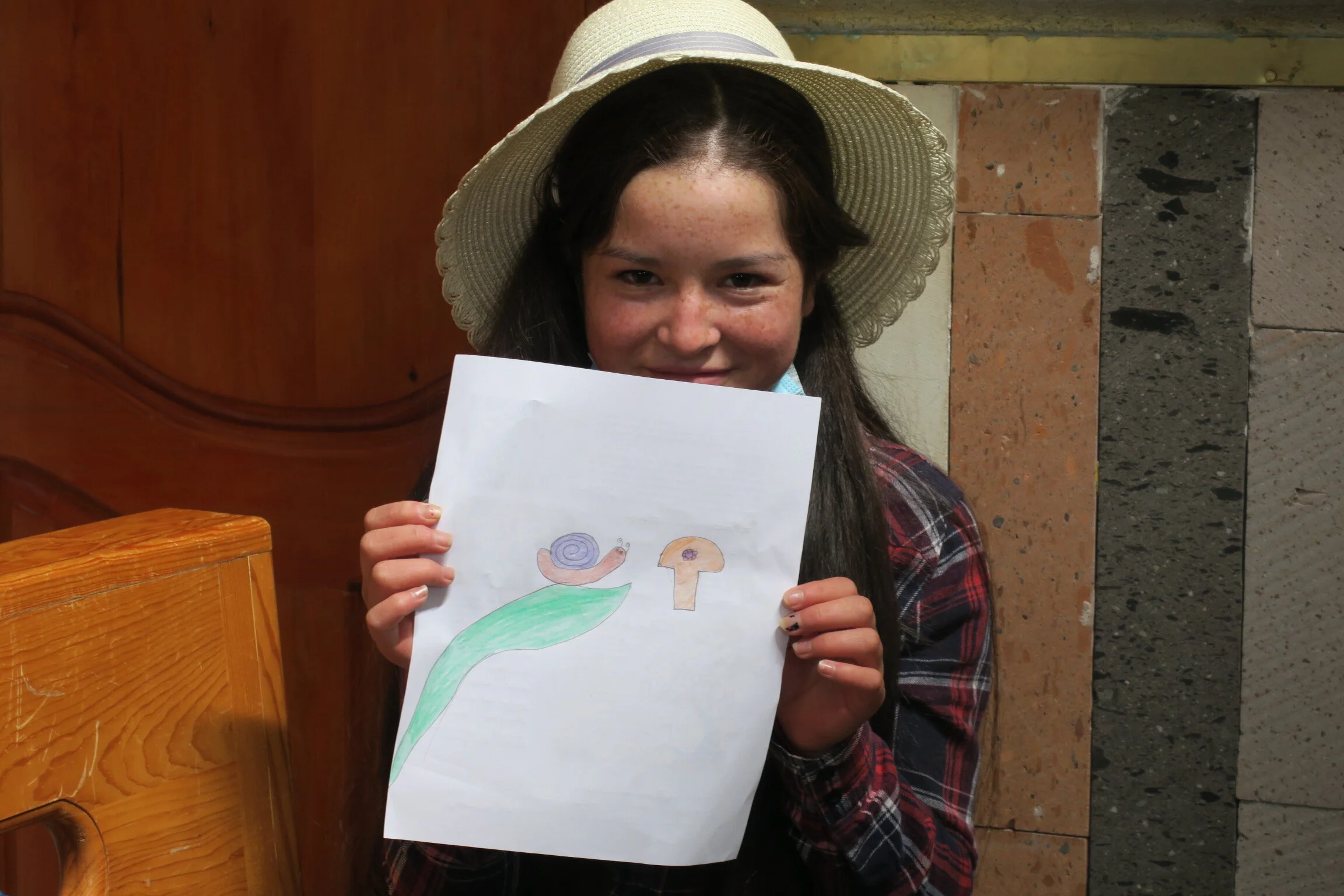
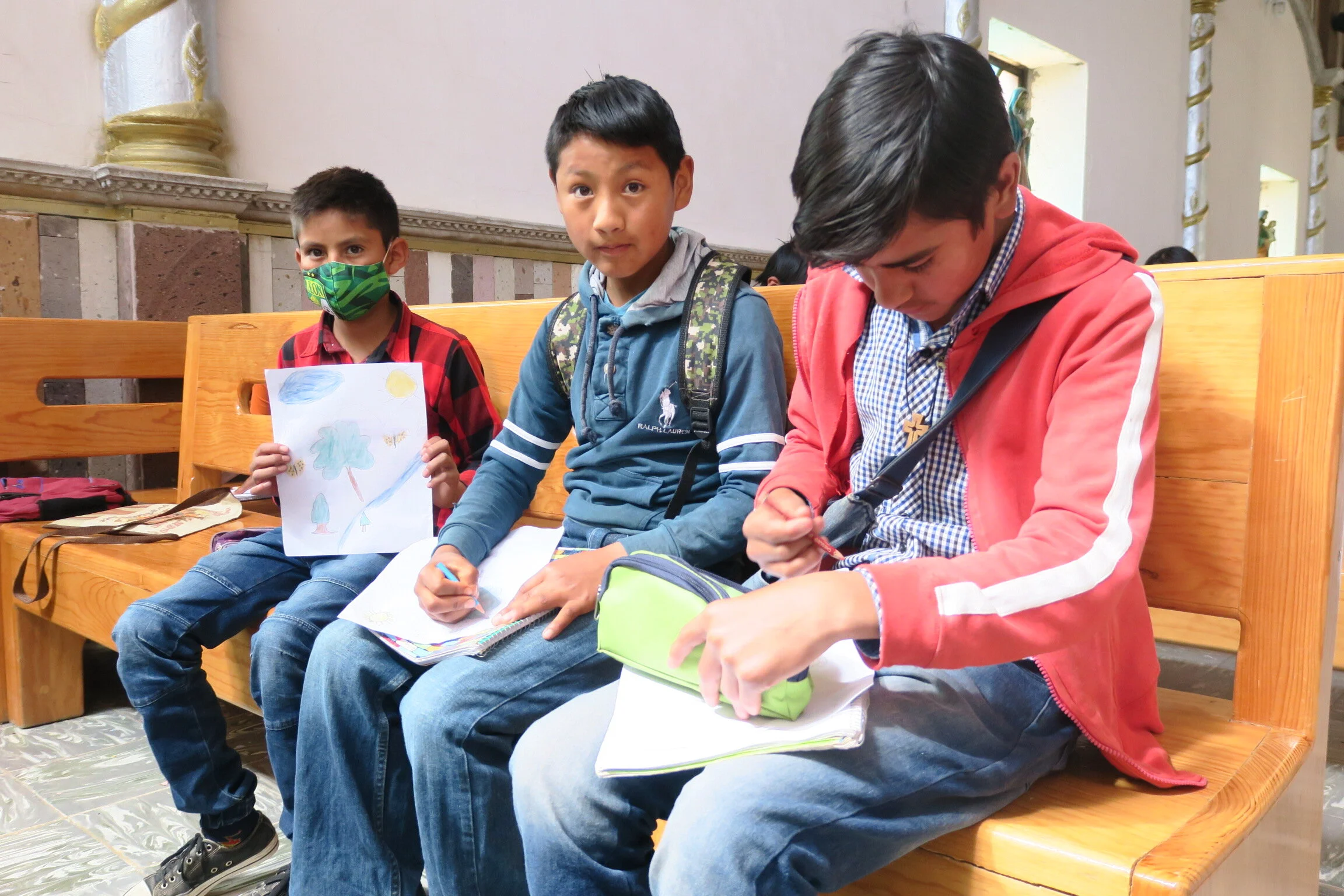
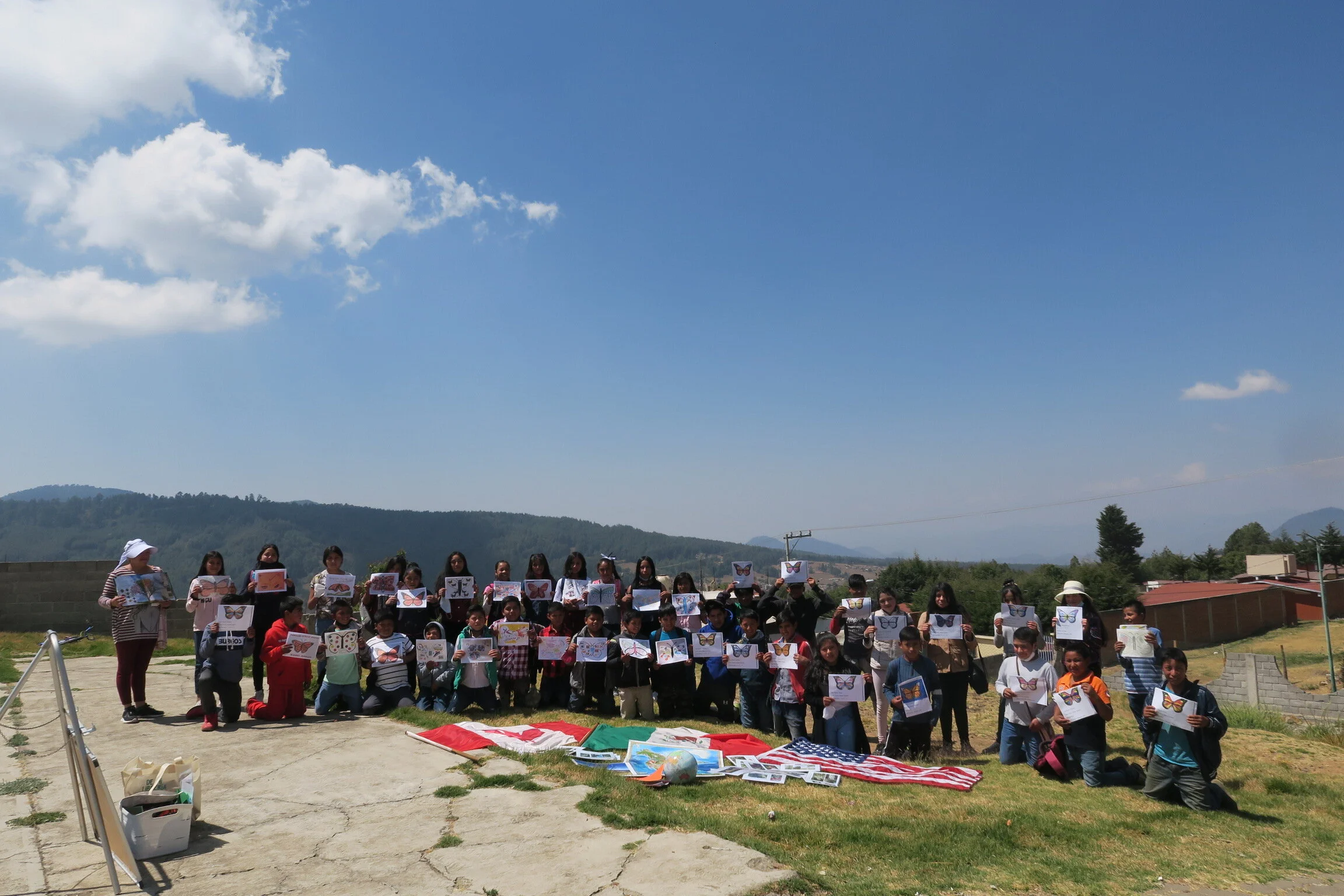
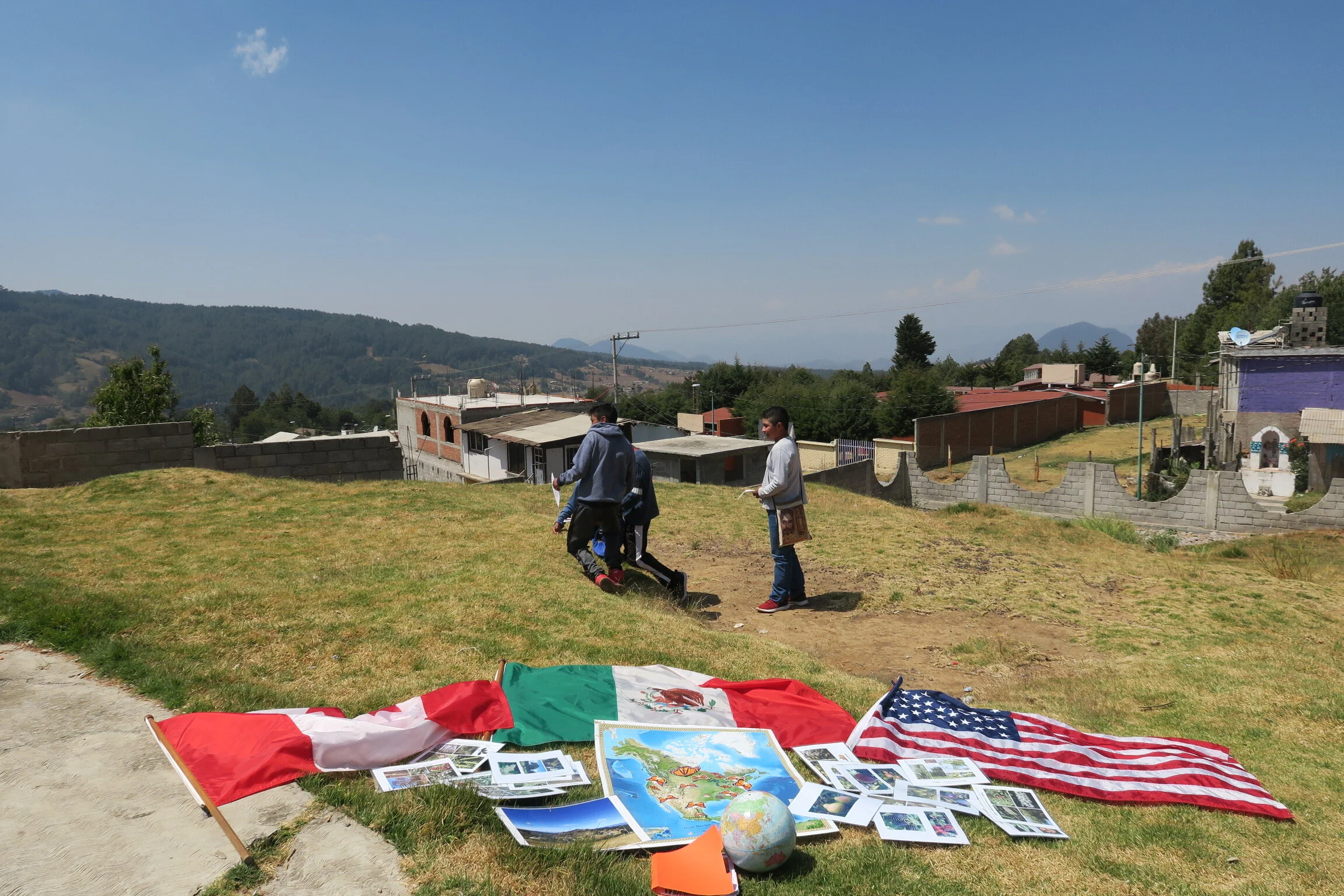
The enthusiasm with which they receive their Symbolic Monarchs at the time they send their conservation letters, seals the friendship signal of being co-responsible with their Northern friends in Canada and the United States, of caring for Monarchs’ habitat. It is our habitat as well and this lesson enhances their knowledge of their own homeland and natural conservation for the future.
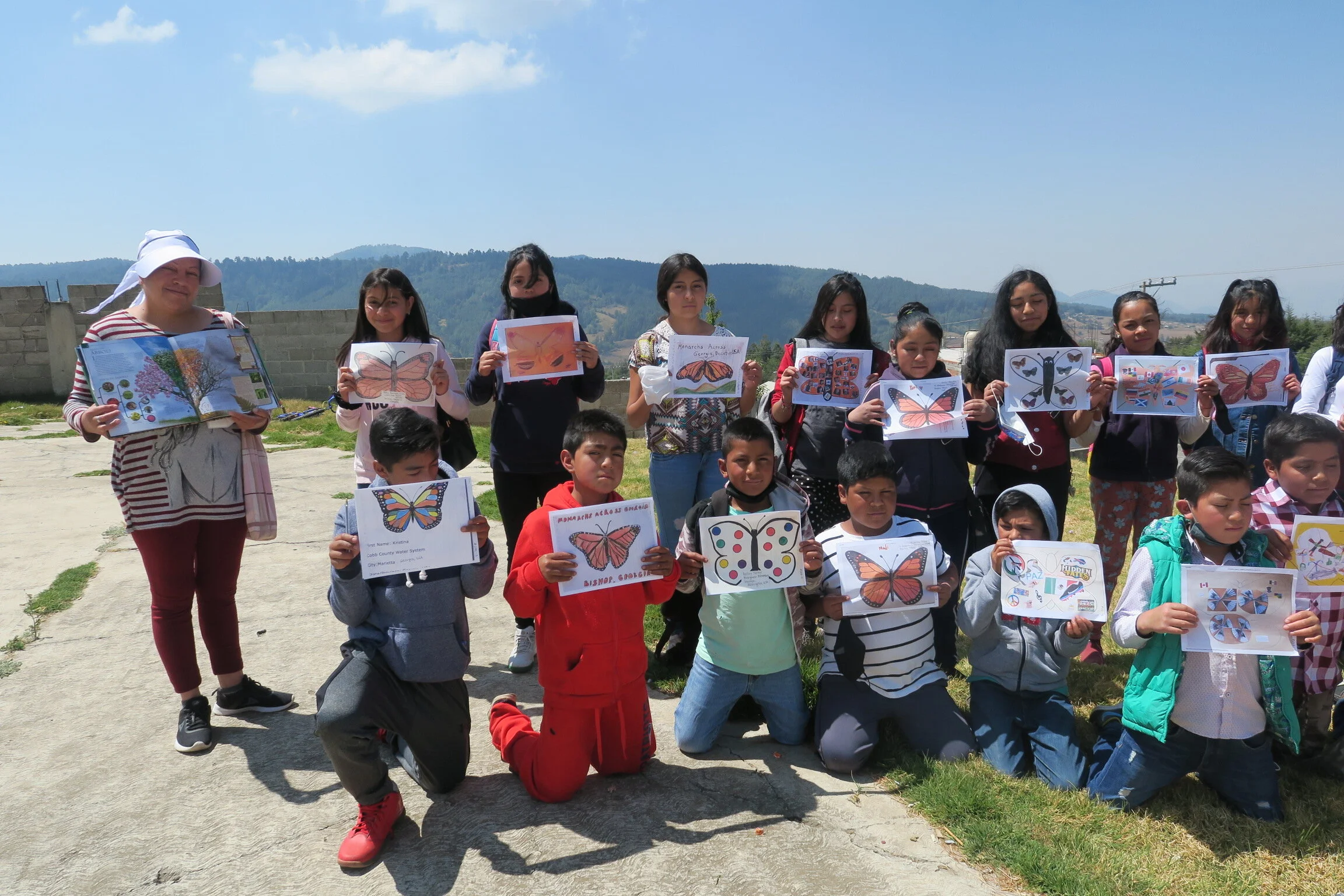
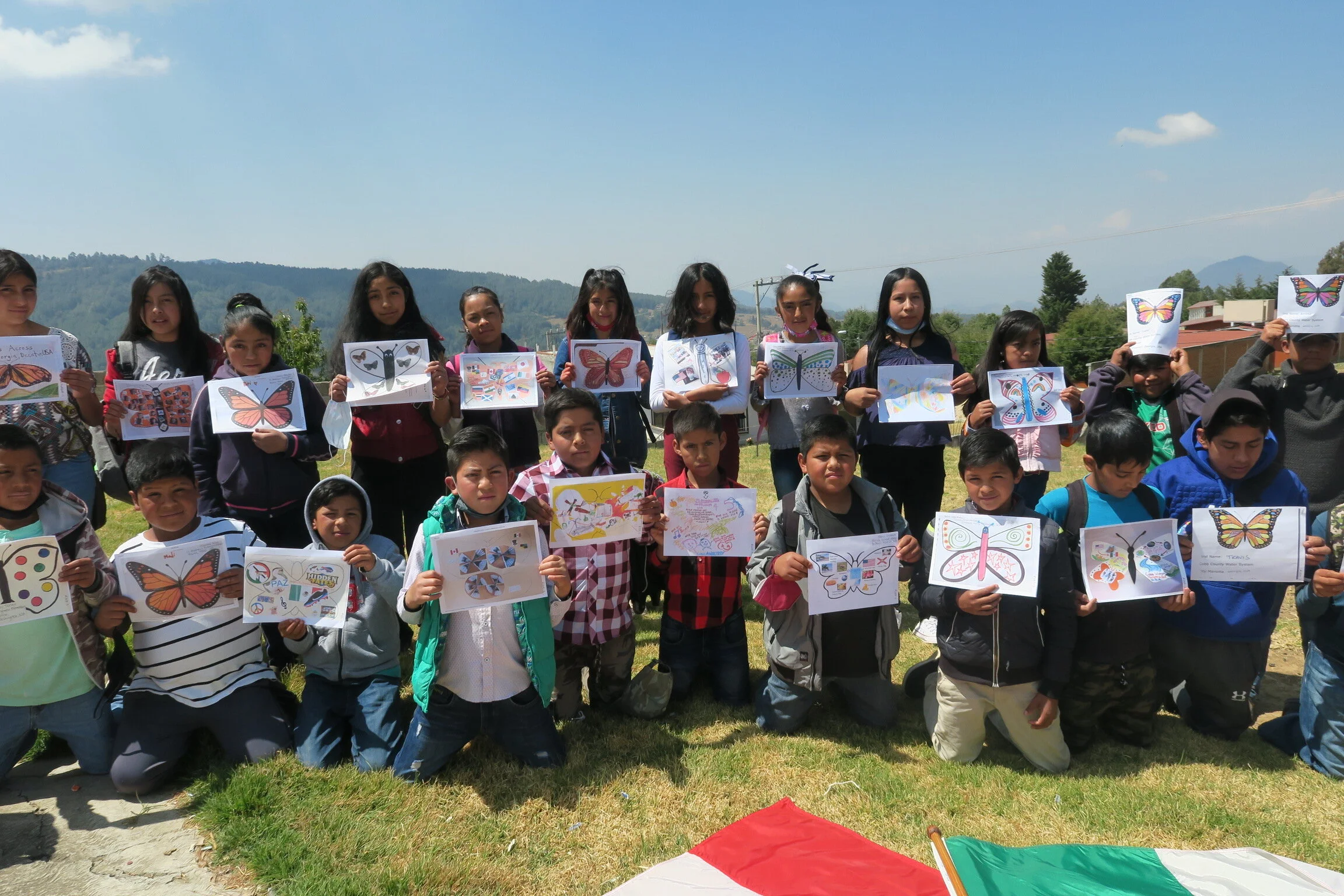
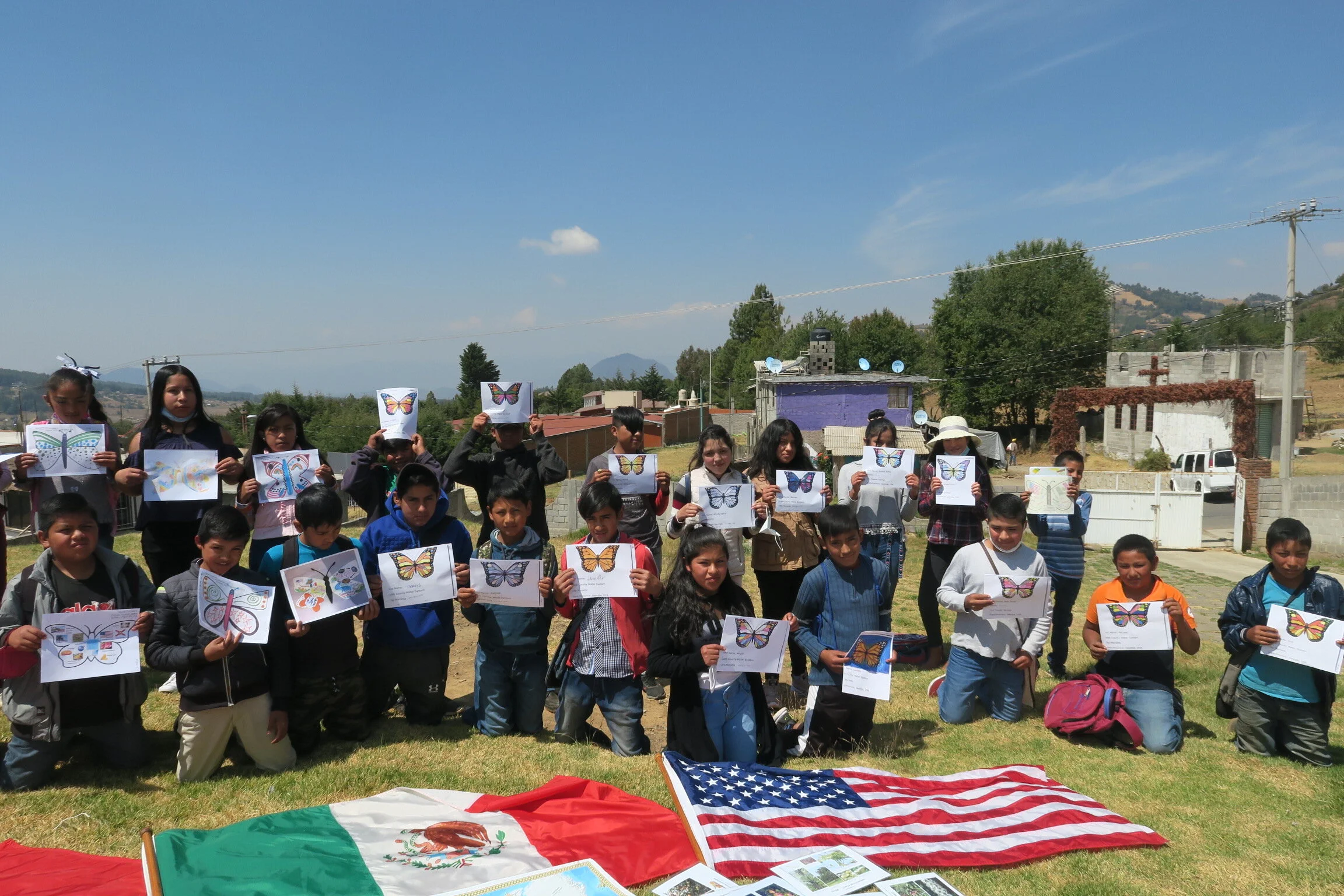
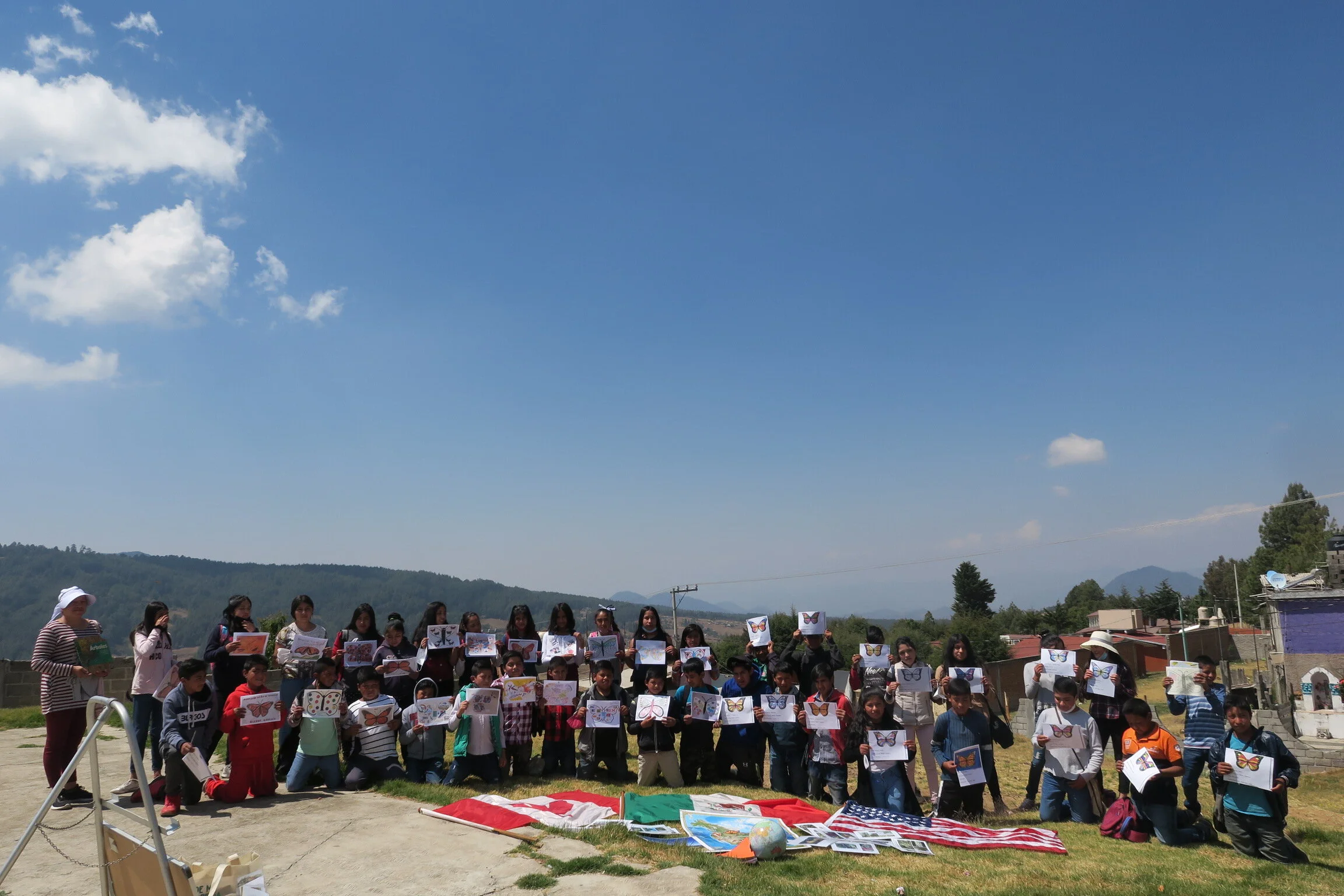
SYMBOLIC MONARCHS DELIVERED HERE
LIons Oval Public School, Orillia, Ontario
Monarchs Across Georgia, Bishop, Georgia
Monarchs Across Georgia, Mableton, Georgia
Monarchs Across Georgia, Decatur, Georgia
Evergreen Elementary, Shelton, Washington
Saint Andrew's Episcopal School, Austin, Texas
Saint Andrew's Episcopal School, Austin, Texas
Elmwood Franklin School, Buffalo, New York
Astra Nova School, Long Beach, California
Phoebe Gilman Public School, East Gwillimbury, Ontario
Phoebe Gilman Public School, East Gwillimbury, Ontario
Peter Noyes School, Sudbury, Massachusetts
Memorial School, Paris, Illinois
Young Einsteins Academy, Marietta, Georgia
Elbert Elementary, Winter Haven, Florida
Florida Virtual School
Marvell Academy, Marvell, Arkansas
Dunn Elementary, Louisville, Kentucky
Dunn Elementary, Louisville, Kentucky
Dunn Elementary, Louisville, Kentucky
Cobb County Water System, Marietta, Georgia
Cobb County Water System, Marietta, Georgia
Cobb County Water System, Marietta, Georgia
Cobb County Water System, Marietta, Georgia
Cobb County Water System, Marietta, Georgia
Cobb County Water System, Marietta, Georgia
Cobb County Water System, Marietta, Georgia
Cobb County Water System, Marietta, Georgia
Cobb County Water System, Marietta, Georgia
Cobb County Water System, Marietta, Georgia
Cobb County Water System, Marietta, Georgia
Cobb County Water System, Marietta, Georgia
Cobb County Water System, Marietta, Georgia
Cobb County Water System, Marietta, Georgia
Cobb County Water System, Marietta, Georgia
Cobb County Water System, Marietta, Georgia
Cobb County Water System, Marietta, Georgia
Project ACORN Club, San Antonio, Texas
Johnnycake Corners Elementary, Galena, Ohio