
Trees contribute to a sustainable living
THE VISIT
Dear Friends,
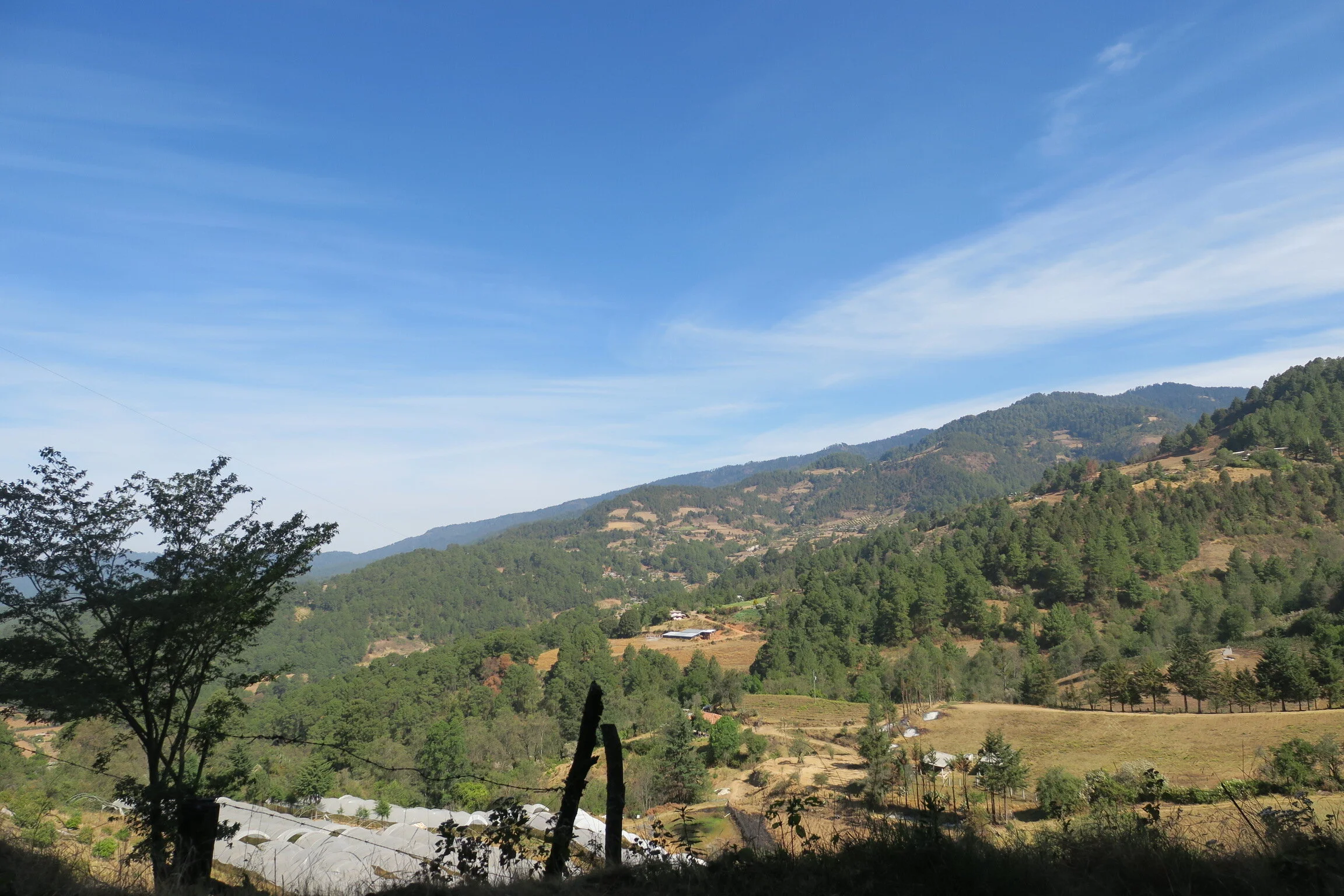
Little by little, our faraway communities around the Monarch Sanctuaries learn to live more sustainably as our steep mountain hillsides allow for it.
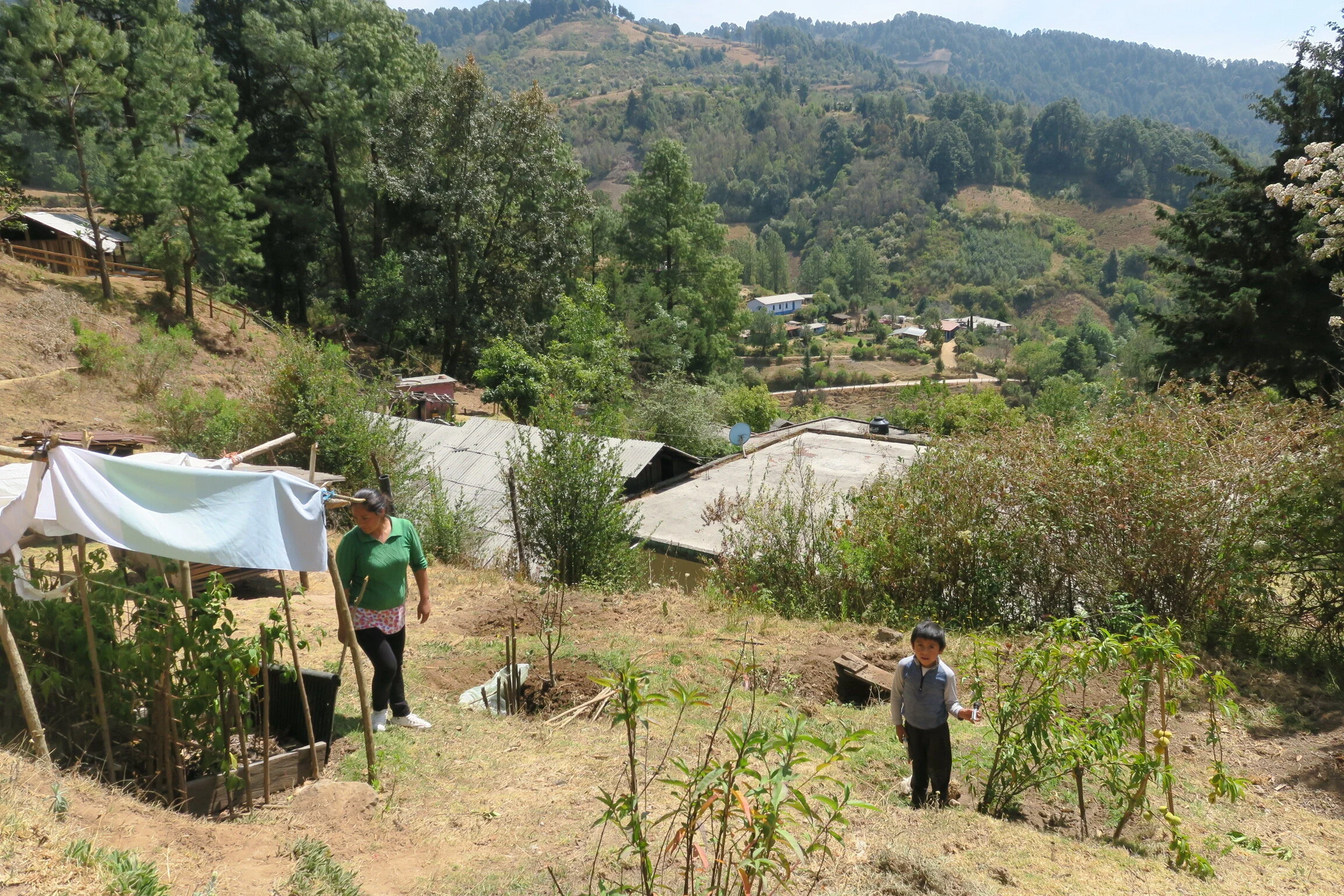
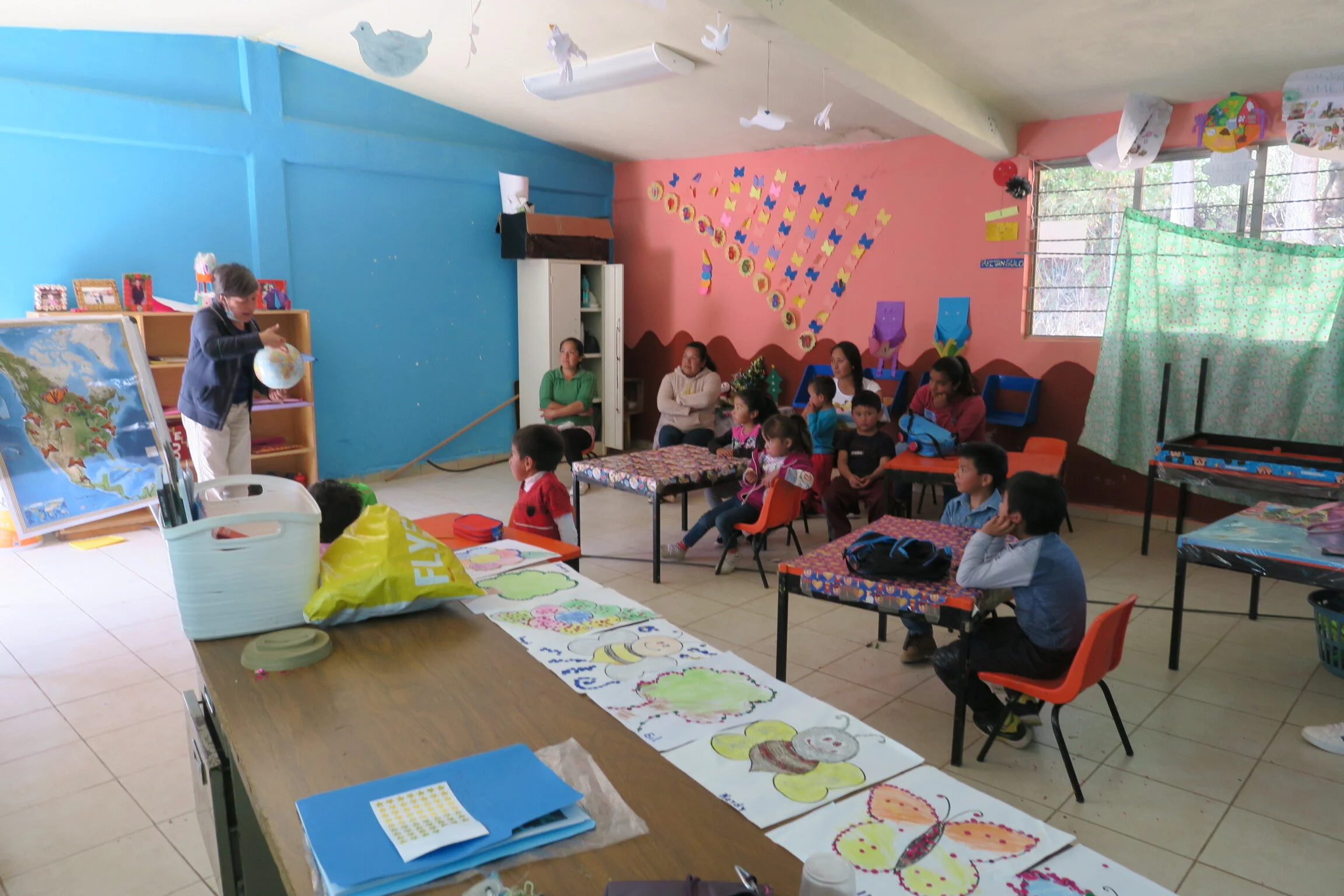
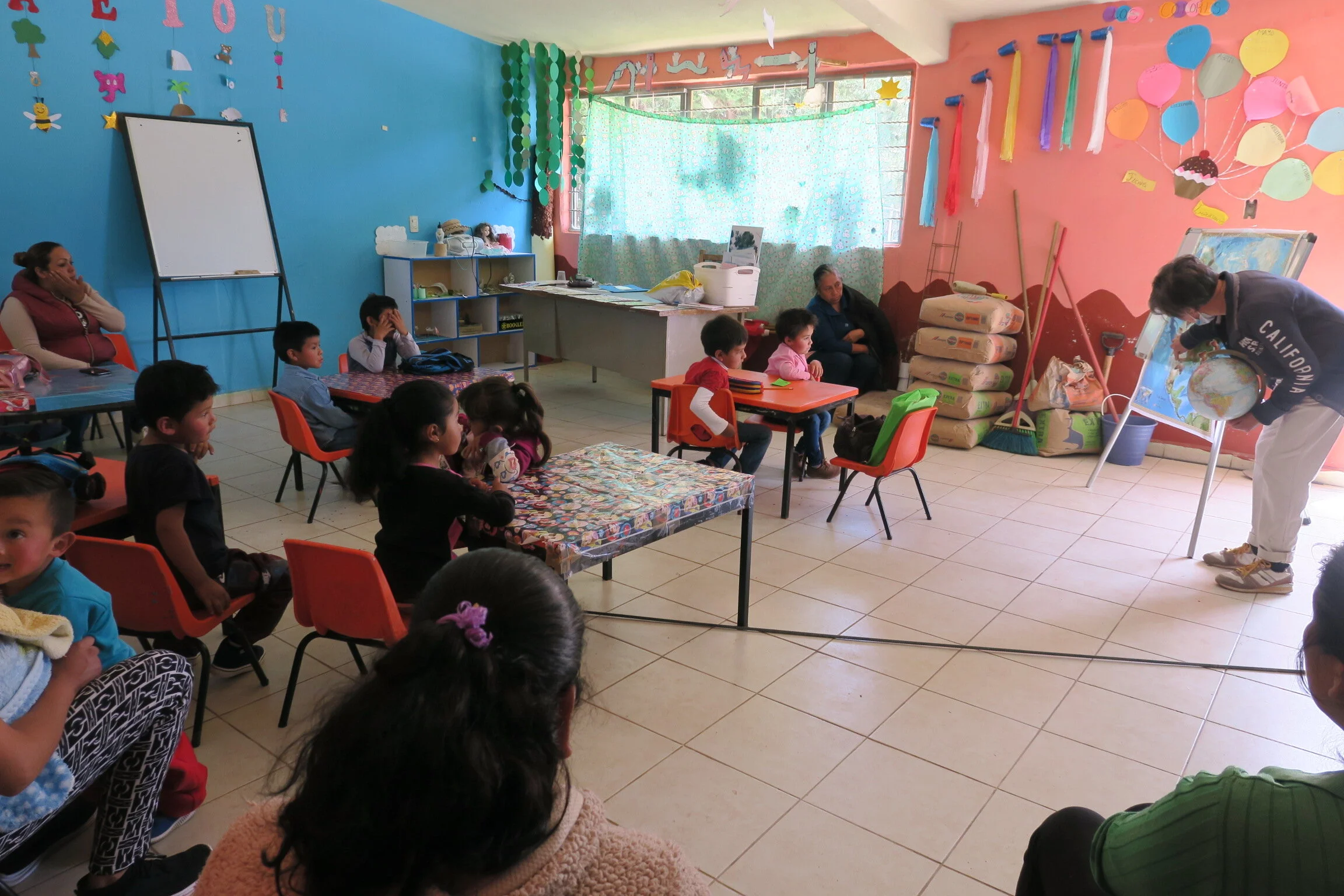
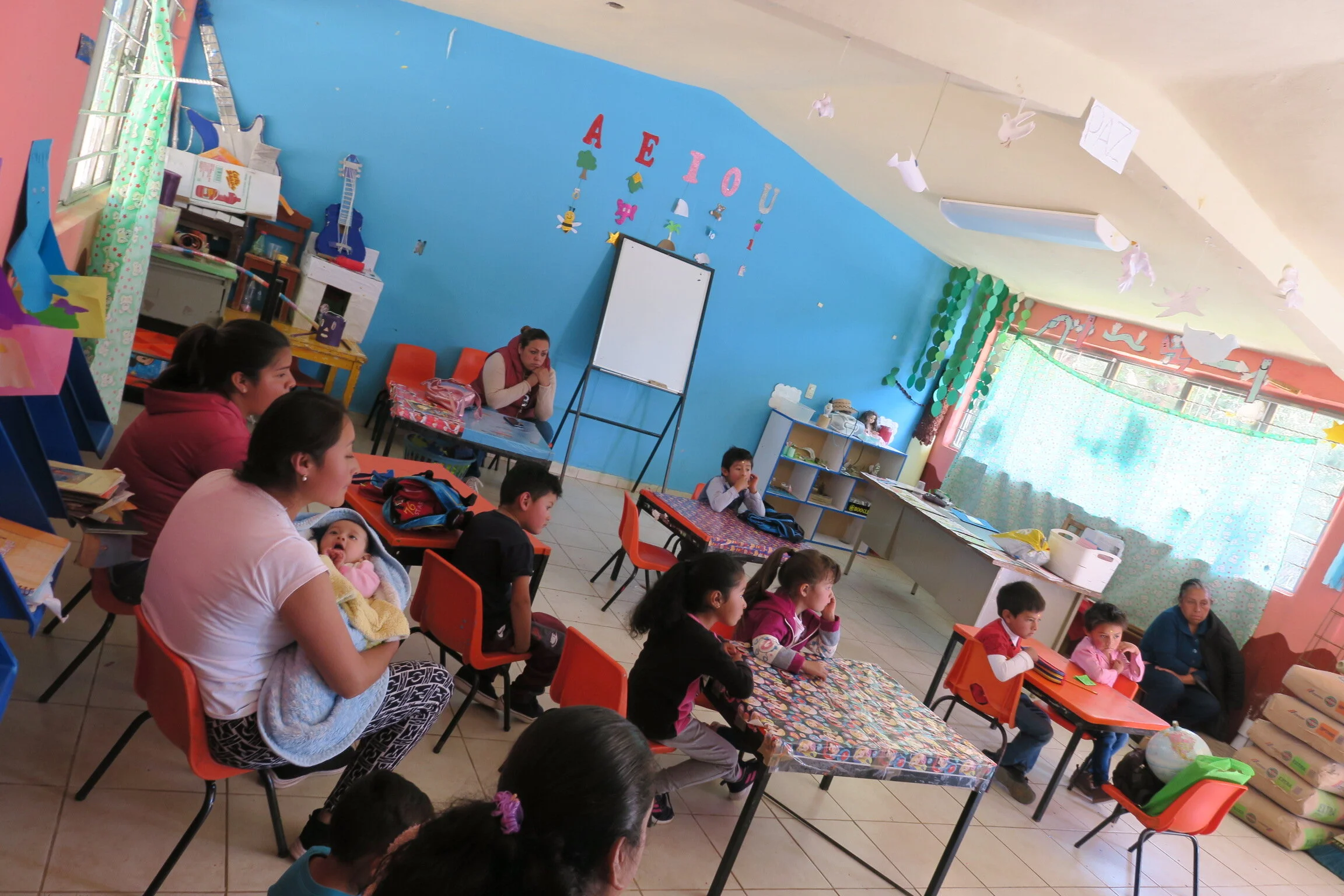
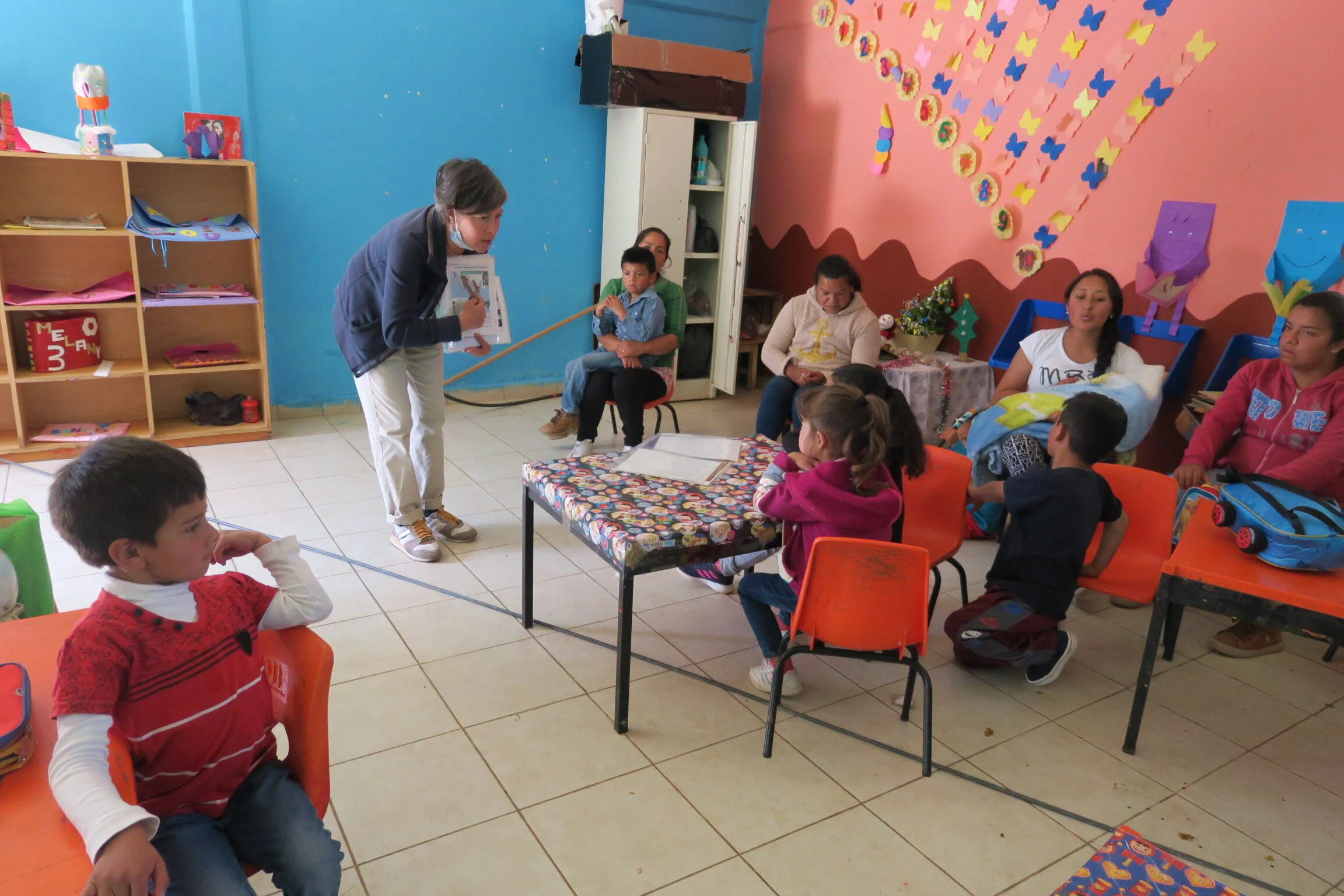
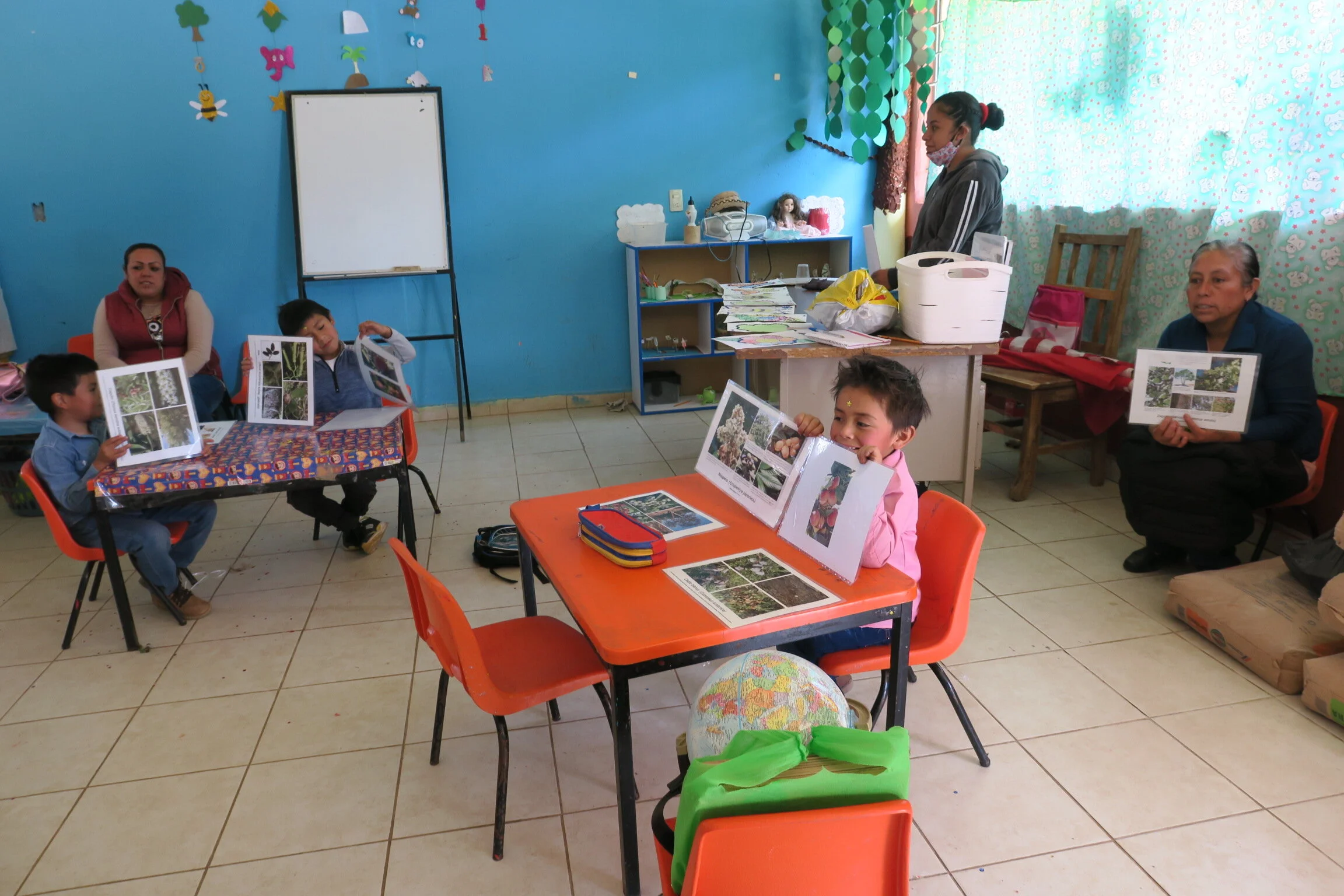
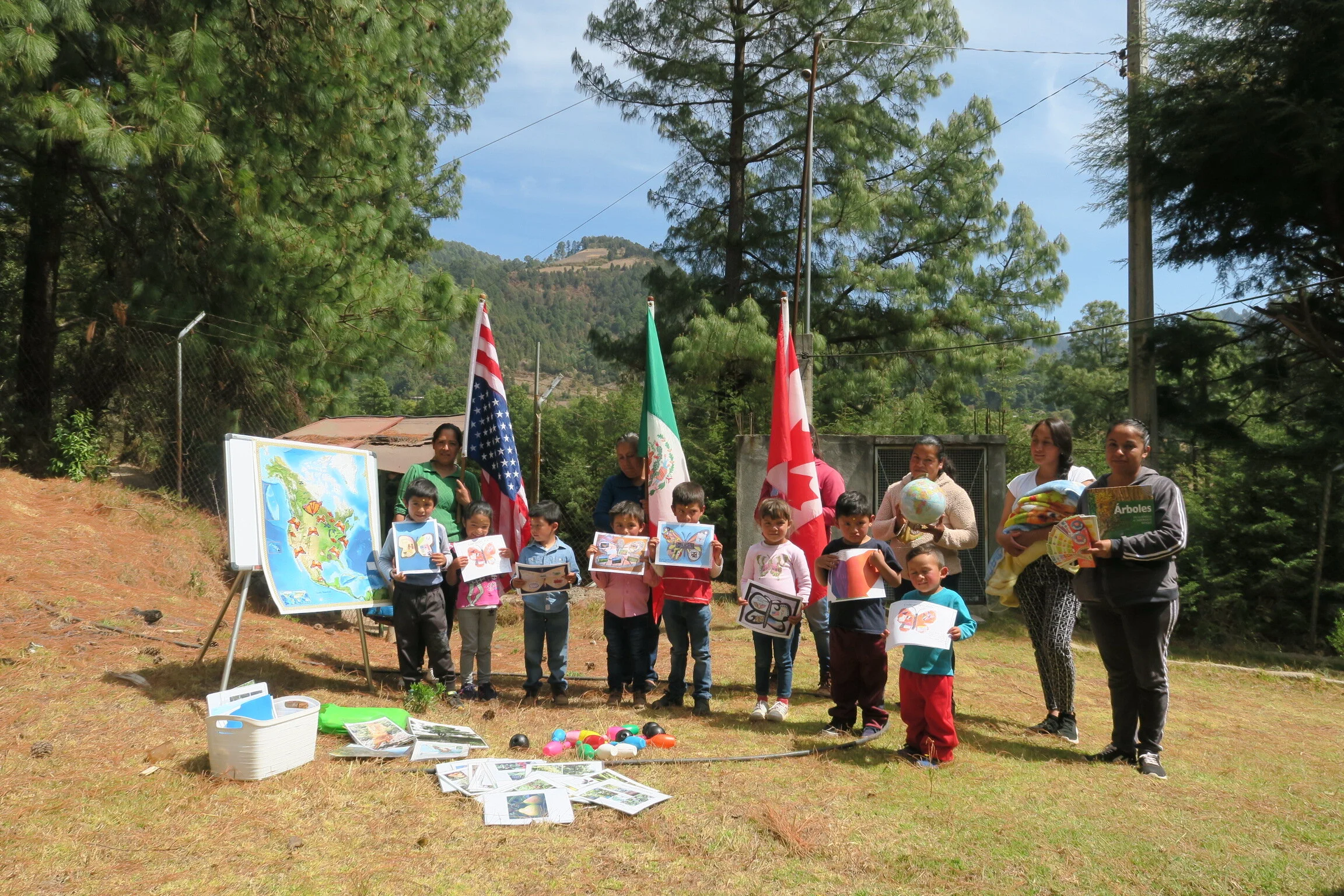
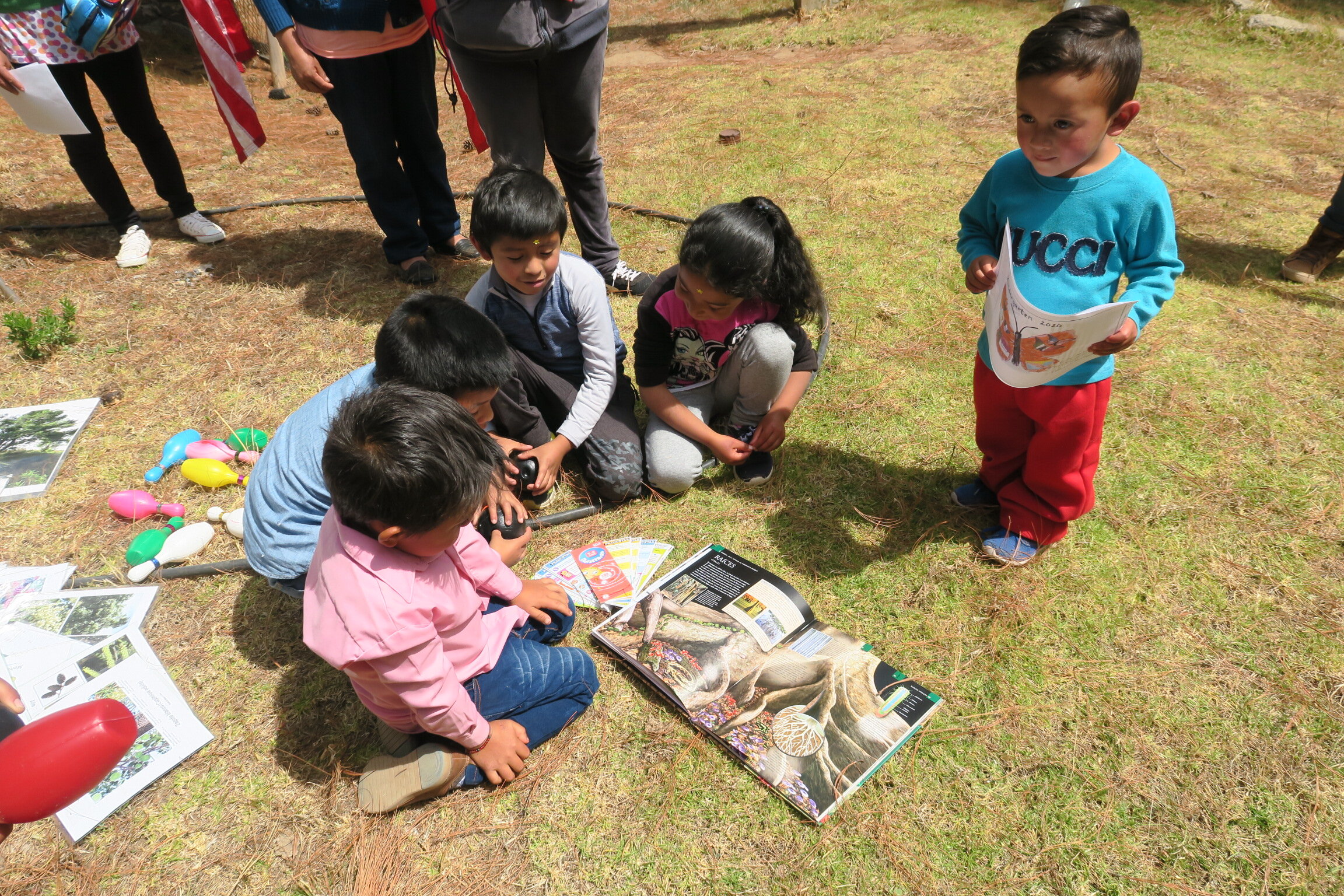
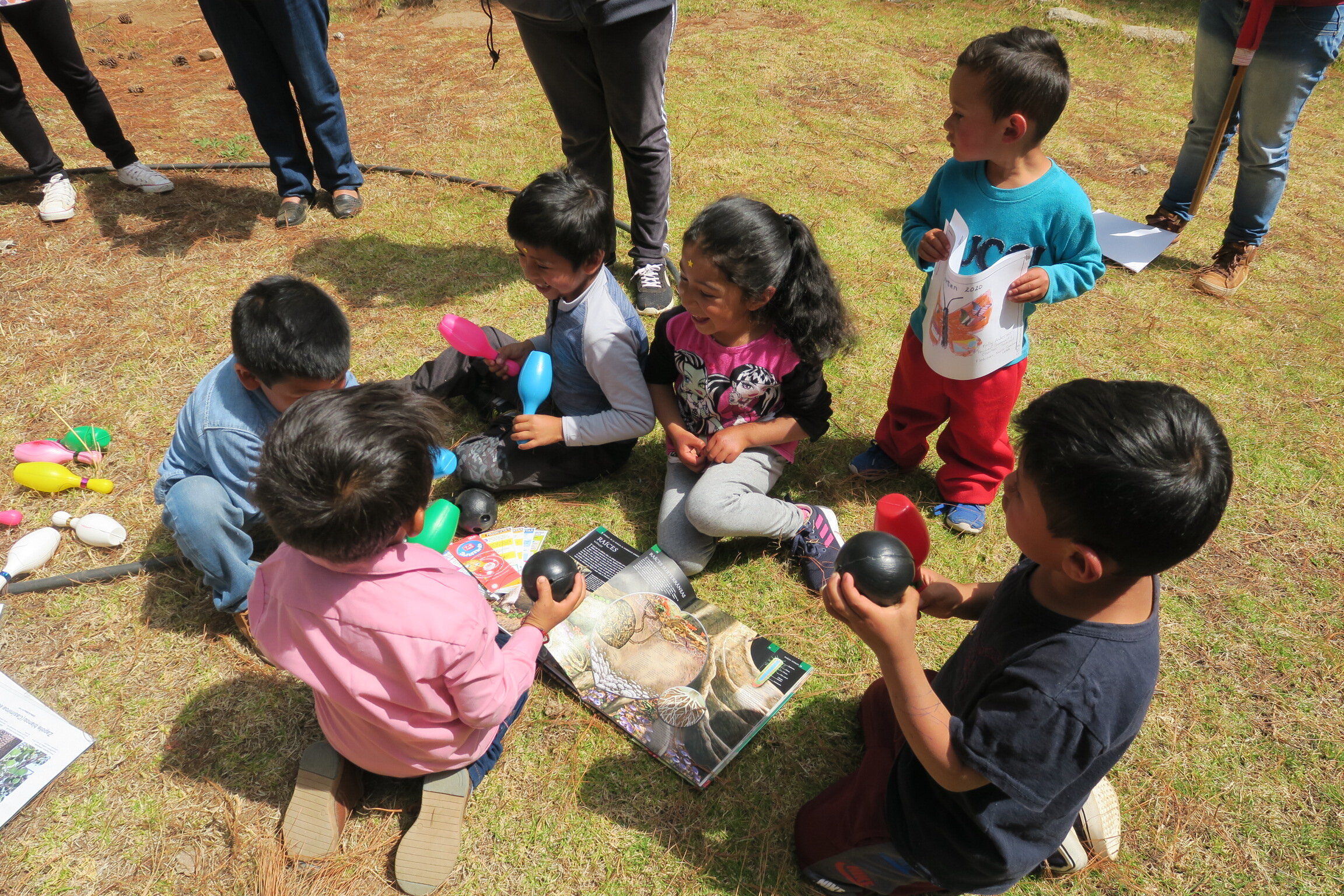
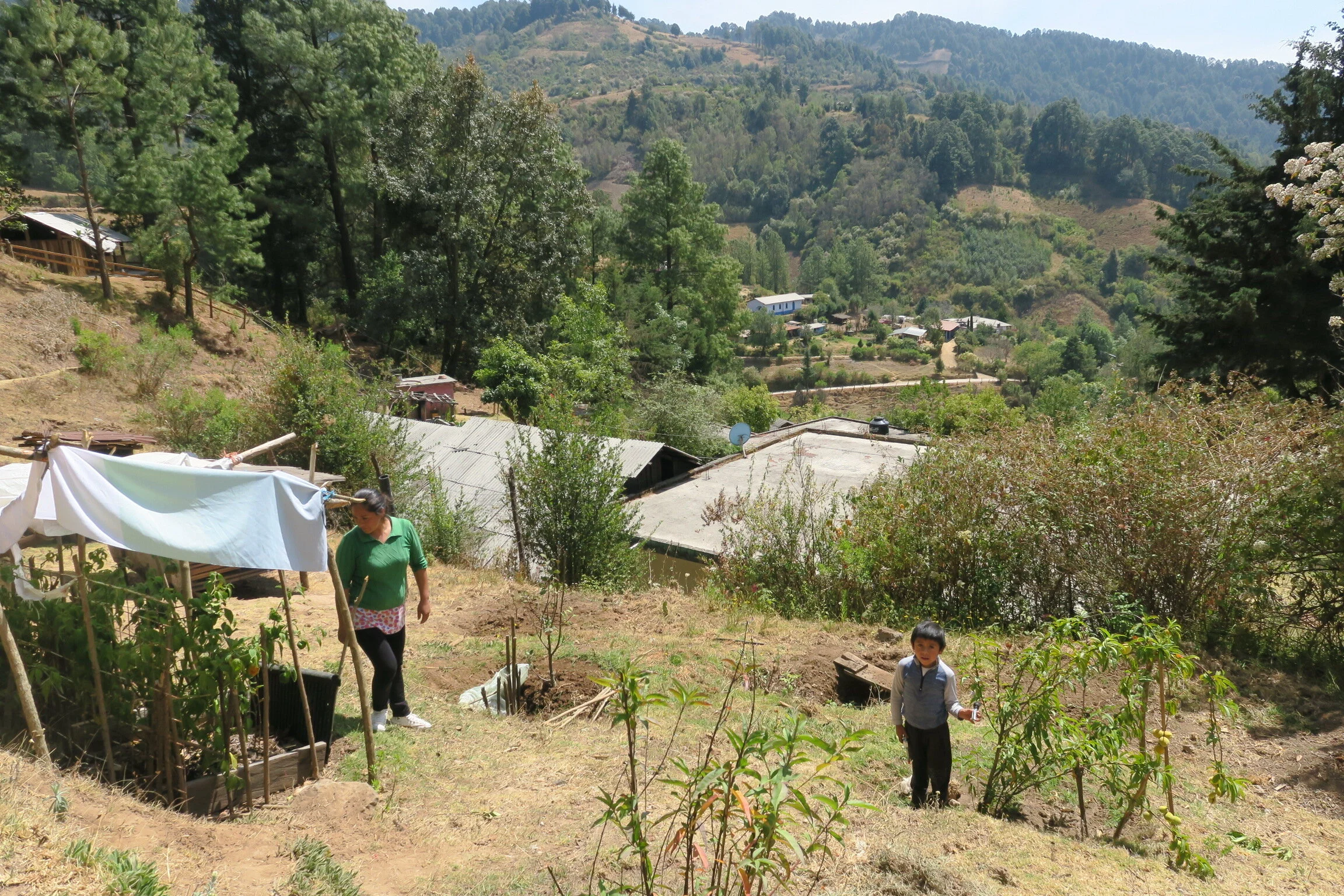
We have come to one faraway kindergarten school at the hillsides to “Sierra Chincua” Sanctuary at the “Nicolás Romero” community. From our three overwintering spots for Monarchs, only “Cerro Pelón” Sanctuary is surrounded by real flat land. “Sierra Chincua” and “El Rosario” Sanctuaries are all part of this mountain chain where Monarchs have been overwintering ancestrally, and where our great-great-grandparents were obliged to settle all over the steep mountain hillsides mainly attracted by the forest and mining activity in the area in the late 1800’s to early-mid 1900’s.
As a means of self-supporting the family diet, they expanded and started agricultural and backyard animal raising activities. Our moms in the group attending the lesson with their children, enthusiastically helped us to go over the agricultural practices our nowadays families continue. “For generations, we have cultivated corn, potatoes, wheat, nopal cactus and agaves for getting our ancestral “pulque” drink.”
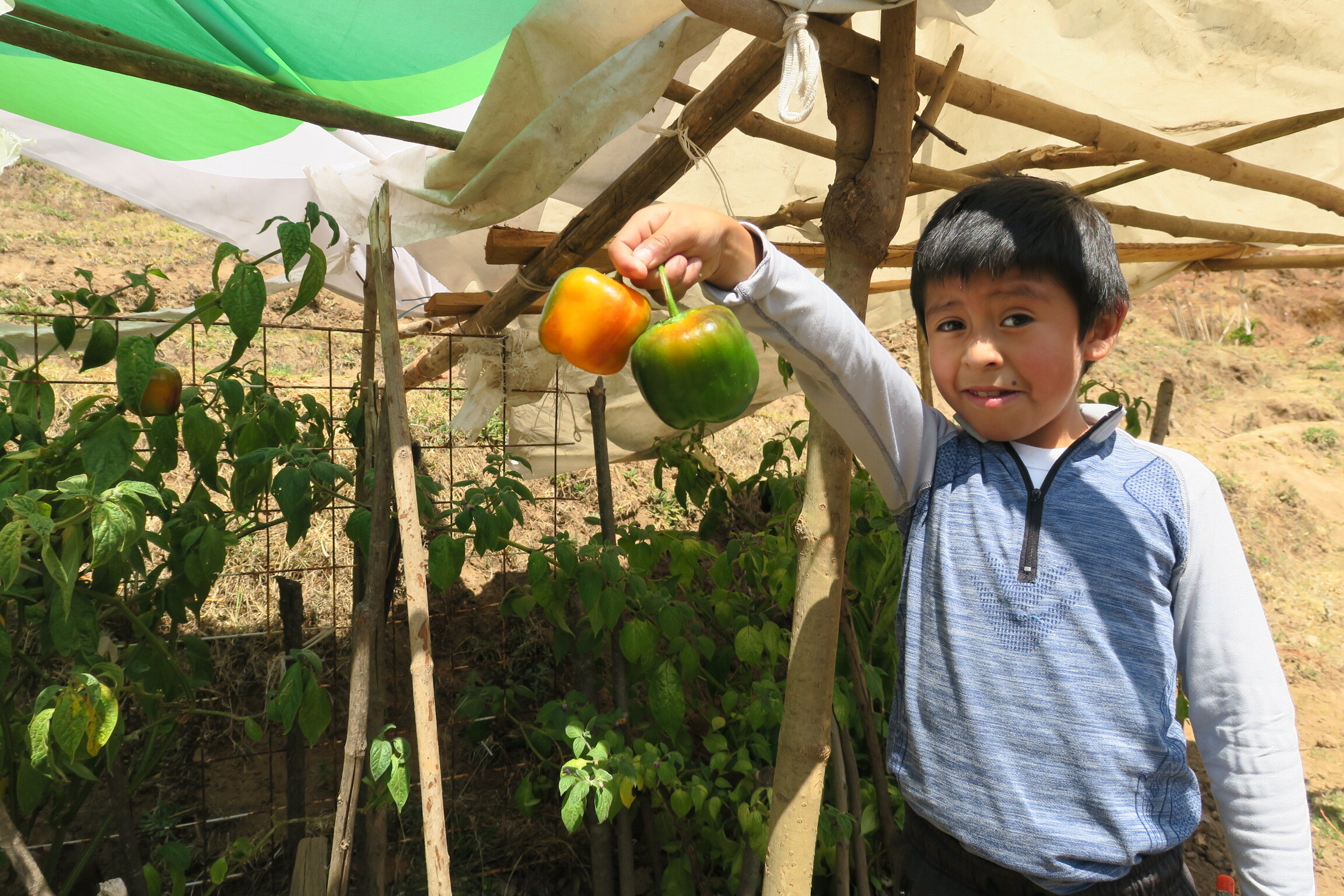
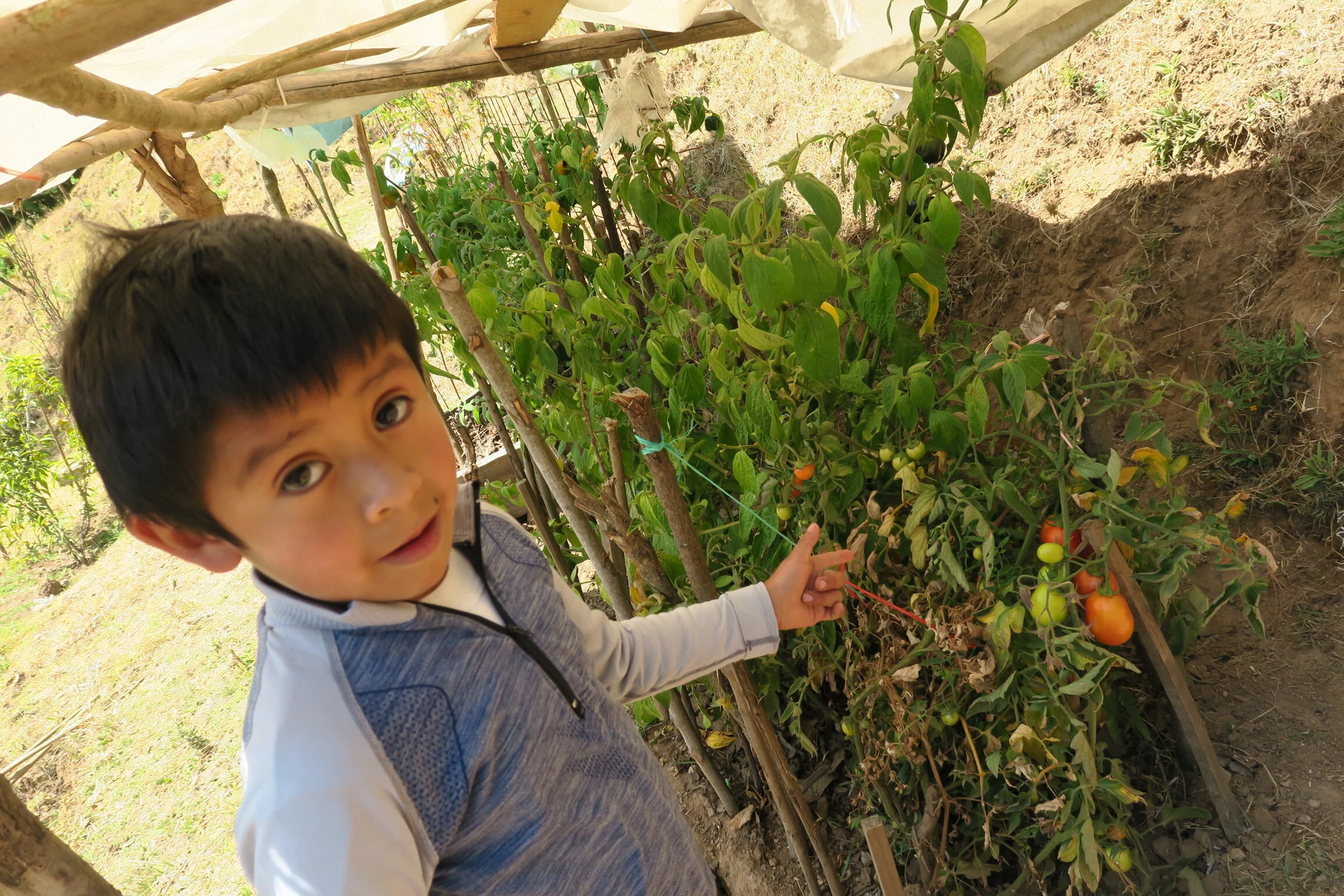
Then children continued. “We raise chickens, turkeys, sheep, rabbits and cattle.” Then mothers continued. “Now, for nearly a couple of decades, as the weather becomes warmer over the last years, we can easily grow carrots, zucchini and nearly every hortaliza* vegetables, including a couple of squash types. We are even more astonished we can recently grow blackberries, red tomatoes, and different types of green chilies including our exceptional “Chile Manzano.” This big, round shaped really hot chili which is a delicious ingredient in our fresh sauces and many typical Mexican dishes. Avocado farms have also been started as well in lower altitudes very close to the flat valley down there. Additionally, we have started trout farms, building specially designed water reservoirs at home. The extreme cold and rainy weather a couple of decades ago, would not allow for these latter options.”
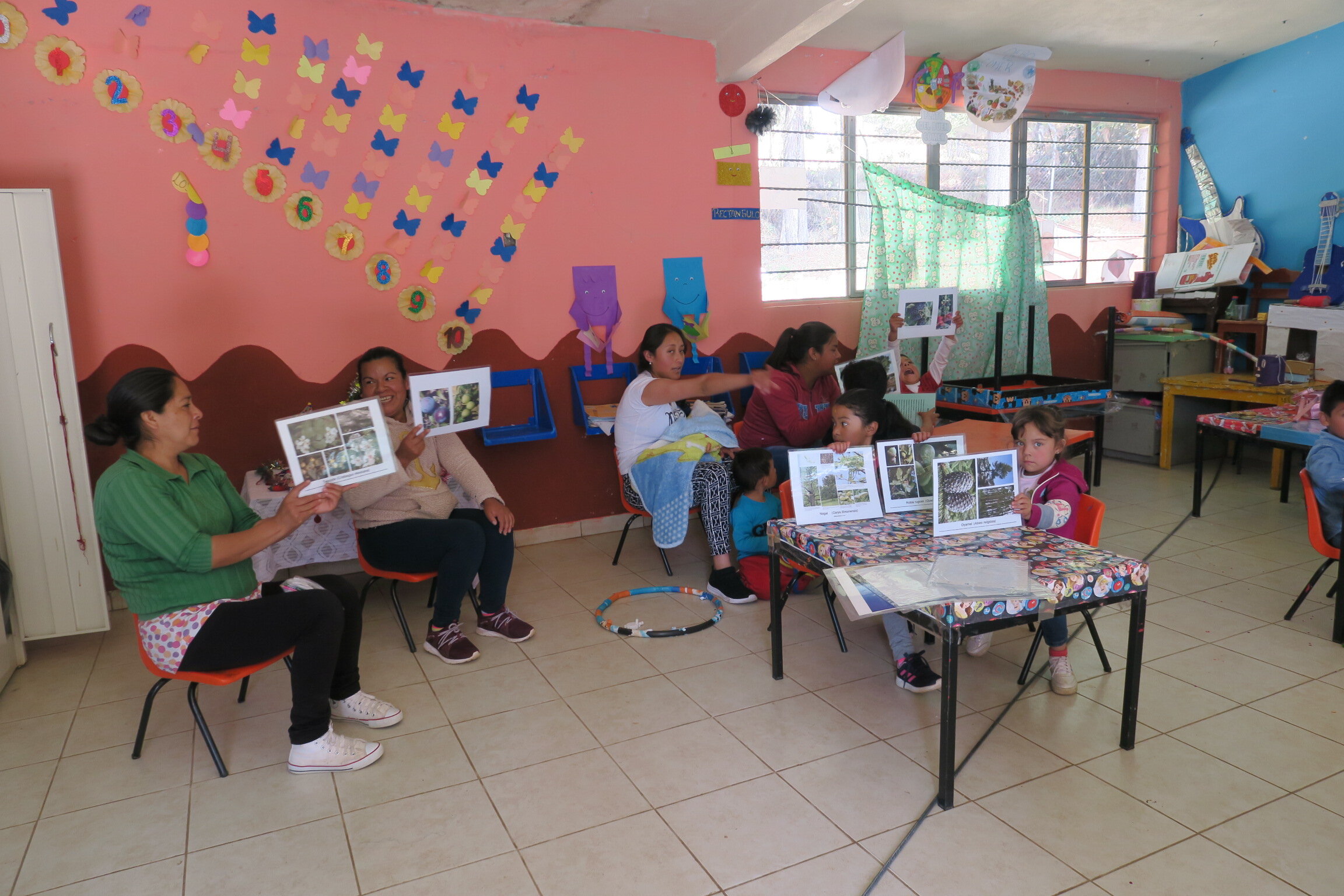
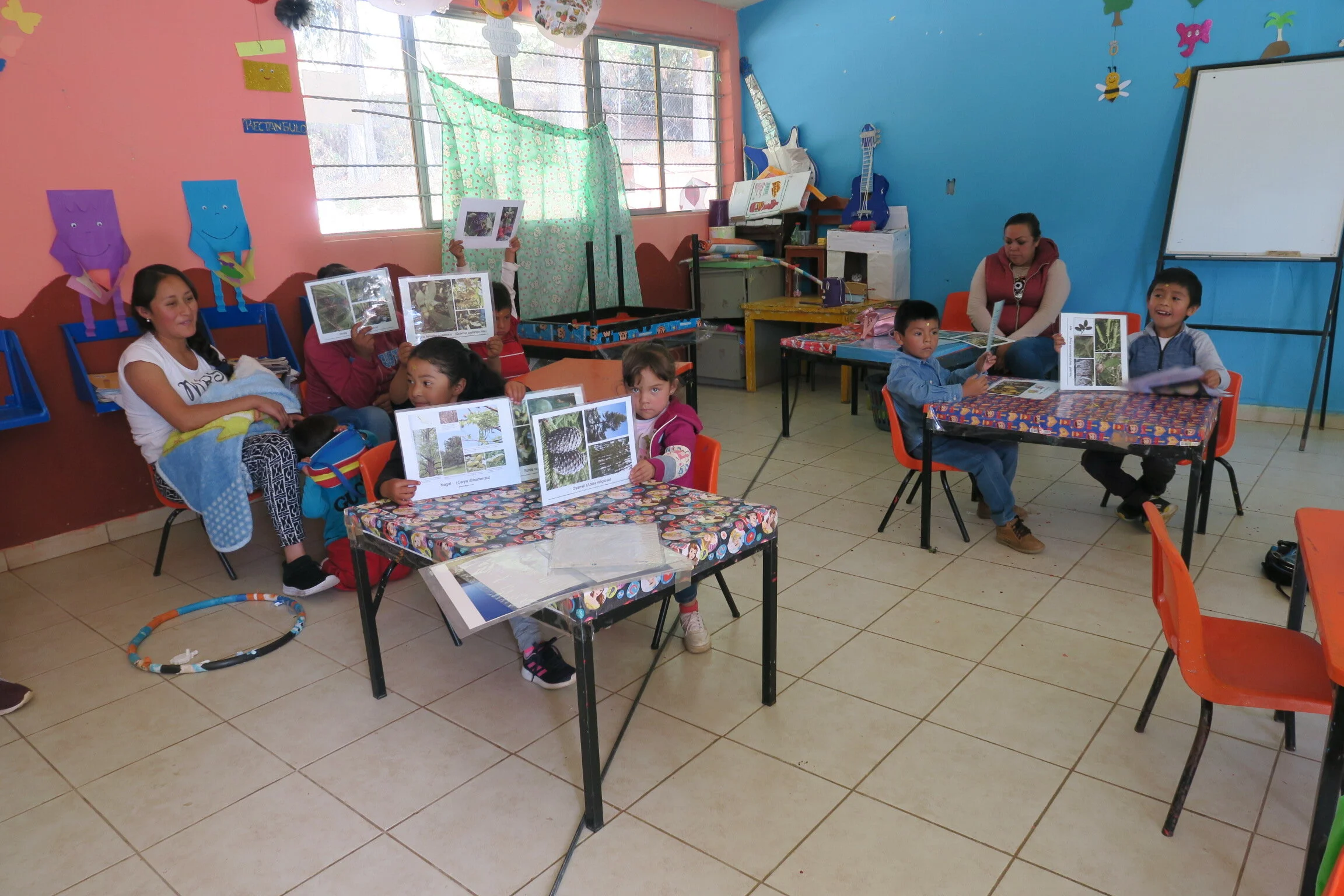
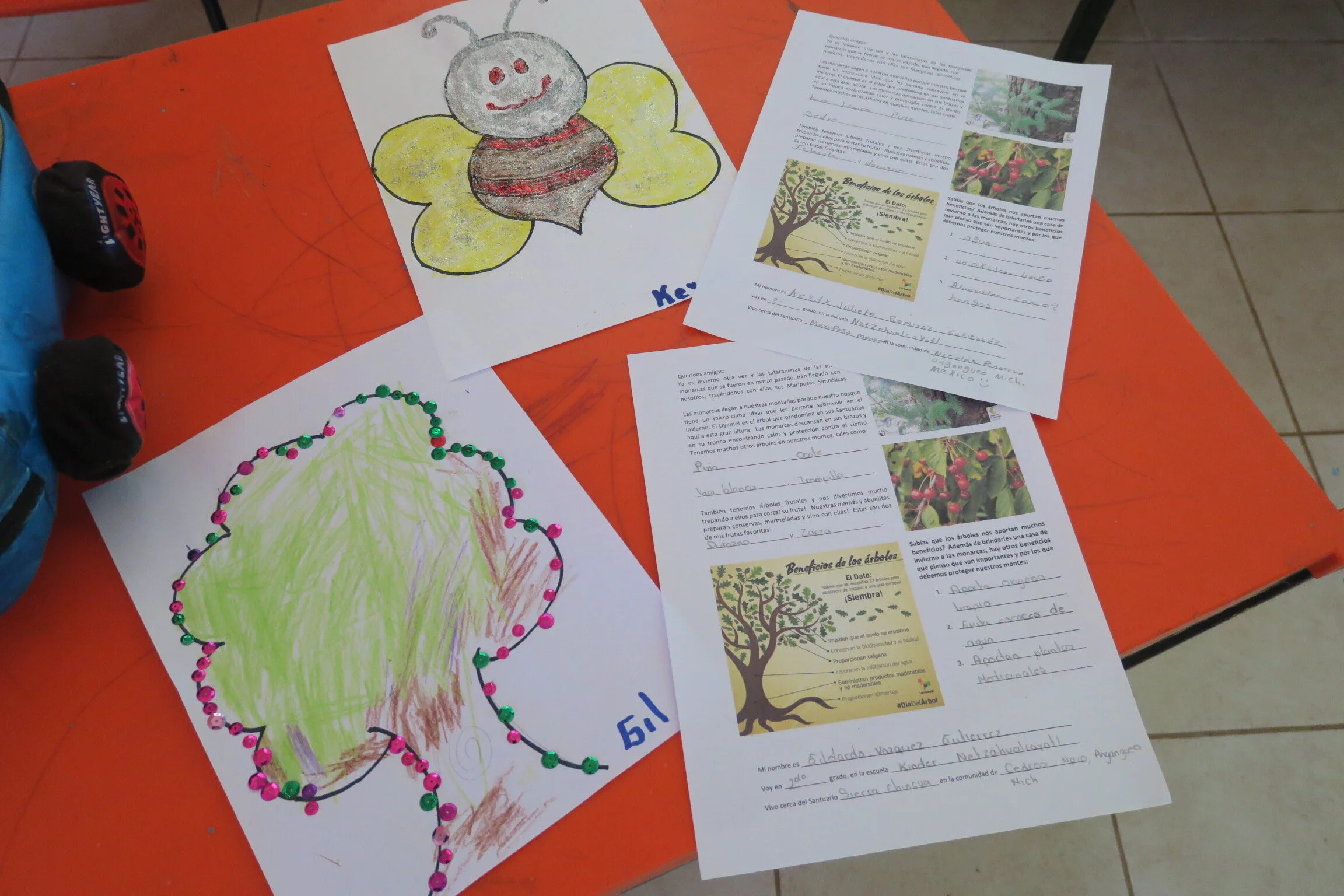
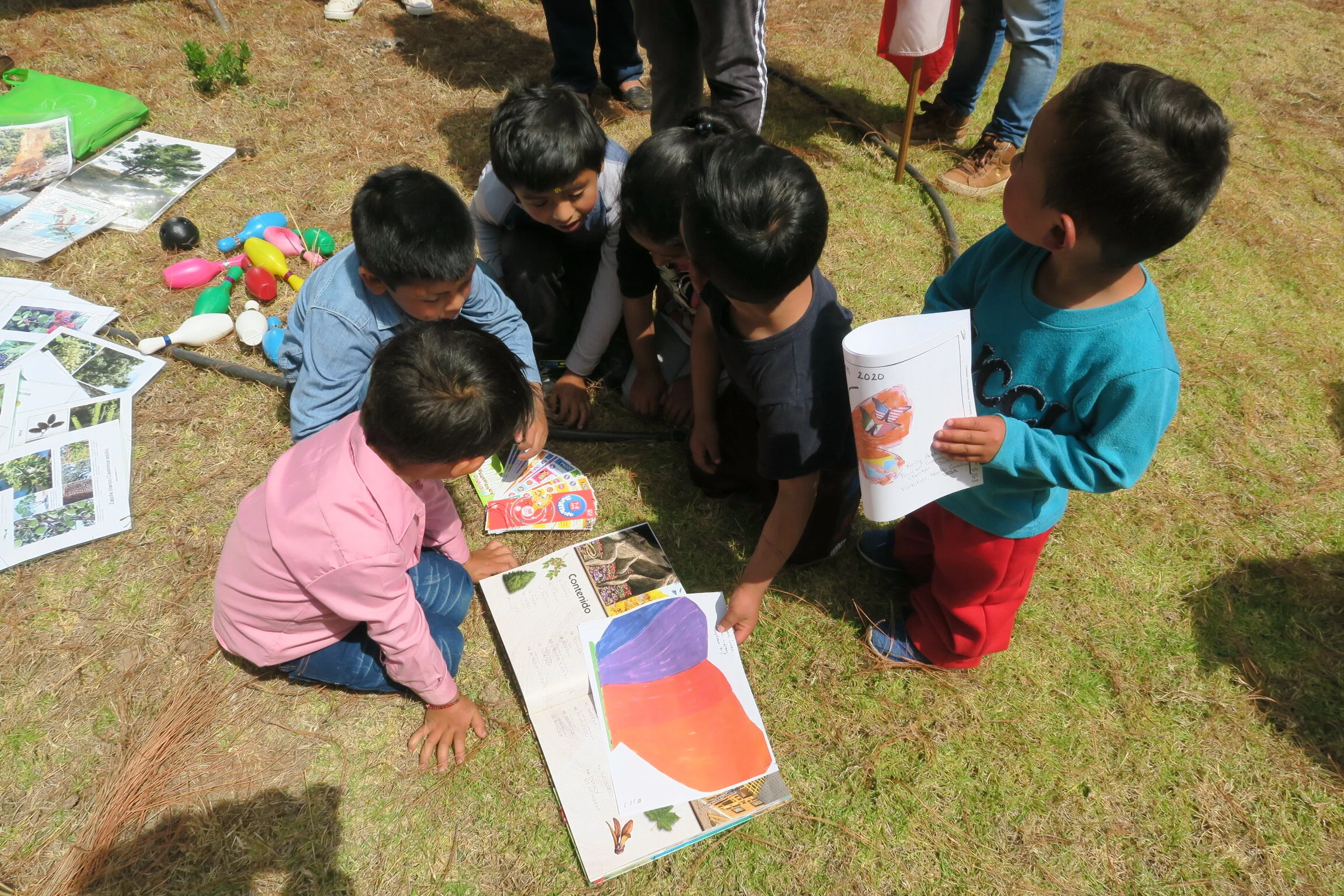
Then Estela approached to our main topic of today’s visit, inviting them to go over the names of the other local fruits and finally the names of our forest trees. The final and main conclusion to round up the visit was brought by Estela. “Did you realize… that it is thanks to our local trees forming our dense forests that we have a healthy soil to grow and start all the mentioned choices? …that the humidity inside the soil around only our forests can provide for our crops and hortalizas to get enough water? …that trout farms can only be possible as long as we have abundant amounts of water thanks to our dense woods attracting rain?
Consider the lower the altitude we settle and the more we reforest higher cleared spots, the safer we shall live, and the more guaranteed our natural resources for a living we will have. Forest conservation guarantees water, so every practice is possible, and a real long-term future can be really planned.”
We ended our visit accepting the enthusiastic invitation from Emanuel and his Mom, a rather new family building themselves up in the community, who proudly showed to us how they adjust their land to somewhat terraced portions to grow as sustainably as possible.
*Basically, "hortalizas" are every single product grown from a vegetable garden for human consumption that are not fruits, cereal or legume.
AMBASSADOR MONARCHS DELIVERED HERE
Dana Elementary, Hendersonville, North Carolina
FernLeaf Community Charter School, Fletcher, North Carolina
Western Carolina Community Action - Hillandale Children's Center, Hendersonville, North Carolina
FernLeaf Community Charter School, Fletcher, North Carolina
Saint John the Baptist School, Whiting, Indiana
Warner Library, Tarrytown, New York
FernLeaf Community Charter School, Fletcher, North Carolina
Laurel Ridge School, Decatur, Georgia